Integrating Dental Appointments into Prenatal Care to Improve Maternal Health Outcomes
As midwives and maternal health practitioners, we spend considerable time discussing nutrition, supplements, and birth plans during prenatal appointments — yet oral health often slips through the cracks entirely.
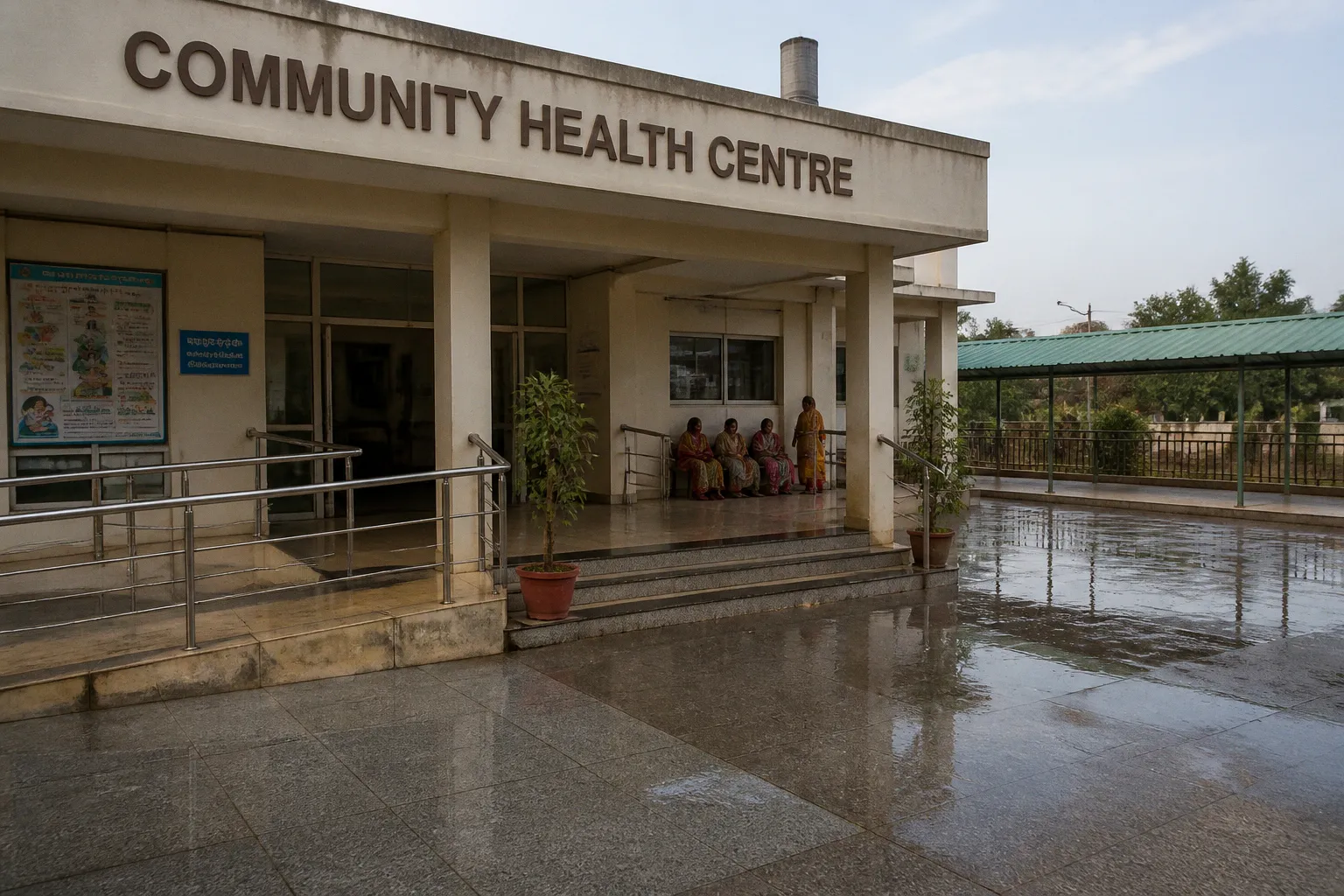
Scheduling Dental Care During Prenatal Visits Could Close a Critical Gap in Maternal Health
New research published in the American Journal of Public Health suggests that something as straightforward as scheduling a dental appointment while a patient is already in the prenatal clinic can significantly increase the likelihood they actually see a dentist during pregnancy. The intervention requires no extra staff, no additional budget — just a deliberate moment of coordination between care teams.
Why Oral Health Deserves a Seat at the Prenatal Table
For years, the prevailing clinical wisdom was cautious: dentists often avoided treating pregnant patients unless an emergency arose, or limited care strictly to the second trimester. That guidance has shifted. Current obstetric and dental guidelines now affirm that routine and emergency dental care is safe throughout pregnancy — and, importantly, that it may be more necessary than we once thought. Pregnancy itself elevates the risk of gum inflammation and tooth decay, and some oral health conditions can affect the developing fetus or even be transmitted to the child after birth.
What strikes me most, working on the ground in community settings, is how often patients arrive at their first prenatal visit already carrying untreated dental disease. This is especially true among low-income populations and those reliant on public insurance schemes — a pattern we see mirrored in India's own public health landscape, where dental care during pregnancy remains vastly underutilised.
A Simple Model with Measurable Impact
Researchers at NYU College of Dentistry partnered with NYC Health + Hospitals/Bellevue to pilot a programme that embedded oral health screening directly into weekly prenatal clinic sessions. Pregnant patients received a standardised dental assessment; those identified with needs were referred for follow-up care, educated about the safety and importance of dental treatment during pregnancy, and informed about insurance coverage.
Between 2018 and 2020, 420 prenatal patients were referred through this pathway. The majority were Hispanic, and roughly half spoke Spanish as their primary language — a detail that underscores the importance of culturally and linguistically responsive care. Referrals took two forms: some patients had appointments scheduled immediately before leaving the clinic, while others were connected through a bilingual patient navigator who provided education, reminders, and follow-up support. Nearly 44 percent of those referred ultimately attended their dental appointment — a meaningful uptake given the systemic barriers these patients face.
What This Means for Practice in India
The core lesson here is not about replicating a US programme — it is about recognising that prenatal care pathways already exist, and oral health can be woven into them without overburdening staff or budgets. In India, where antenatal visits are a routine touchpoint for millions of women, the opportunity is significant. A brief oral health screening during an ANC visit, a referral to a nearby dental facility, and a conversation about why dental care matters during pregnancy — these are low-cost, high-impact steps.
For practitioners, the takeaway is practical: ask about oral health. Screen for gum disease and decay. Make the referral before the patient walks out the door. And for programme designers, consider how patient navigators — community health workers who already bridge gaps in access — could be trained to include oral health education in their prenatal counselling. The evidence suggests that when we meet patients where they already are, they are far more likely to receive the care they need.