How Community-Led Maternal Health Models Are Closing the Gap in Nigeria
According to the Maternal and Reproductive Health Collective, the pregnant woman who finally walks into a clinic after months of community outreach — only to find no functioning ultrasound, no…
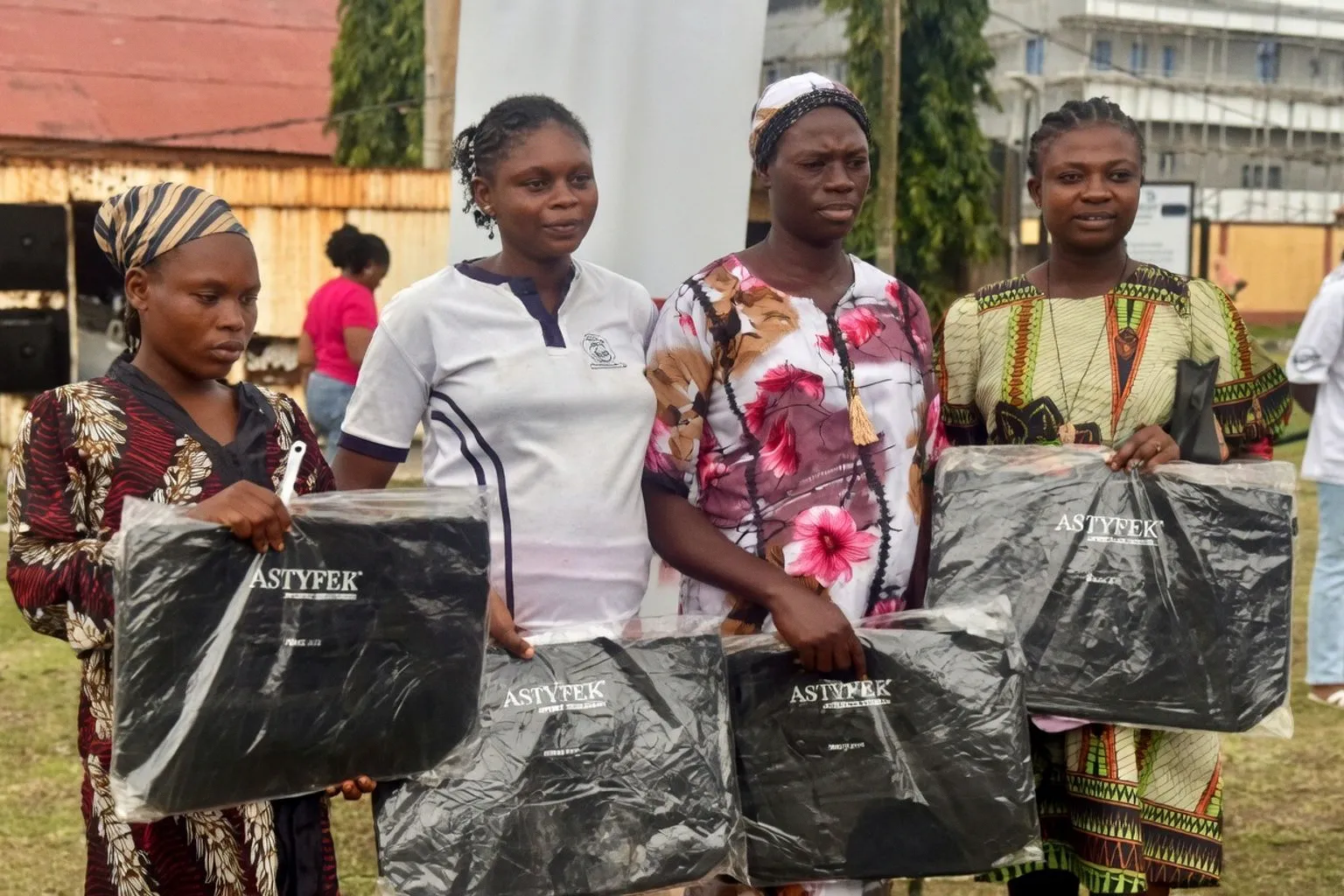
According to the Maternal and Reproductive Health Collective, the pregnant woman who finally walks into a clinic after months of community outreach — only to find no functioning ultrasound, no sterile delivery pack, and no midwife on duty — is facing the exact bottleneck now threatening Nigeria's maternal survival gains. The country still accounts for nearly 29 percent of global maternal deaths, with an estimated 79,500 women dying from childbirth-related causes every year. For clinicians working at the frontline of maternal health elsewhere, including here in India, the warning lands uncomfortably close to home.
What the Lagos pilot has shown
The MRH Collective, founded by consultant obstetrician Professor Bosede Afolabi, rolled out a community-centred pilot called MamaBase across all 20 Local Government Areas of Lagos State. The methodology — referred to in the programme as the MILE approach — moves in four deliberate steps: mapping vulnerable settlements, identifying expectant mothers, linking them to nearby health facilities, and educating them with ongoing support through pregnancy. Community Health Extension Workers go door-to-door, registering women for formal antenatal care that they would otherwise miss entirely.
The results from the first cohort are difficult to ignore. Of the 7,883 pregnant women enrolled, baseline antenatal registration stood at a mere 47 percent. During participation in the programme it climbed to 84 percent, and survival among the monitored cohort reached 99.9 percent — a figure almost unheard of in communities historically served by traditional birth attendants alone. To make that possible, MamaBase layered in conditional cash transfers and subsidised scans, addressing the out-of-pocket costs that often keep an expectant mother at home even when she knows she should be in a clinic, and incentivising at least four antenatal visits and a facility-based delivery.
Where the chain of care still breaks
At a community sensitisation event held at the Lekki Primary Health Centre, MRH Collective's Chief Operating Officer Funmi Owosho laid out the supply-side concern plainly: outreach workers are generating real demand, but the facilities women are being linked to are frequently unequipped to receive them. Primary centres without ultrasound machines, sterile delivery kits, or qualified midwives cannot absorb the patient load that effective demand creation produces. In Owosho's framing, this is the gap that could reverse recent mortality gains in low-income urban settlements. I have watched the same pattern play out at the receiving end of community mobilisation efforts here at home, where months of patient follow-up can dissolve the moment a woman reaches a sub-centre that is technically open but clinically hollow.
What this asks of us at the bedside
The lesson tucked inside the Lagos experience is not that community mobilisation fails; it is that mobilisation without parallel investment in the receiving facility is, in clinical terms, an incomplete prescription. For practitioners and programme managers reading this from an Indian context, the practical checklist before celebrating rising antenatal registration numbers is short and unglamorous. Does the linked facility have a working ultrasound or, at minimum, a functional blood pressure and haemoglobin protocol? Is there a midwife or ANM on shift who can safely manage the first stage of labour? Are delivery kits and emergency drugs stocked this week, not last quarter? Have referral pathways to a higher centre been walked through with the woman, not just printed on a card? Without those answers, the four-visit target becomes a paper milestone rather than a clinical one — and the women we have worked so hard to bring through the door become the ones most exposed when the system falters at the final step.