Shaping the Future of Global Maternal and Adolescent Health Beyond 2030
As a midwife working across community clinics in India, I often see how global health frameworks trickle down to the bedside—shaping the resources we have, the care pathways we can offer, and the conversations we have with families about their futures.
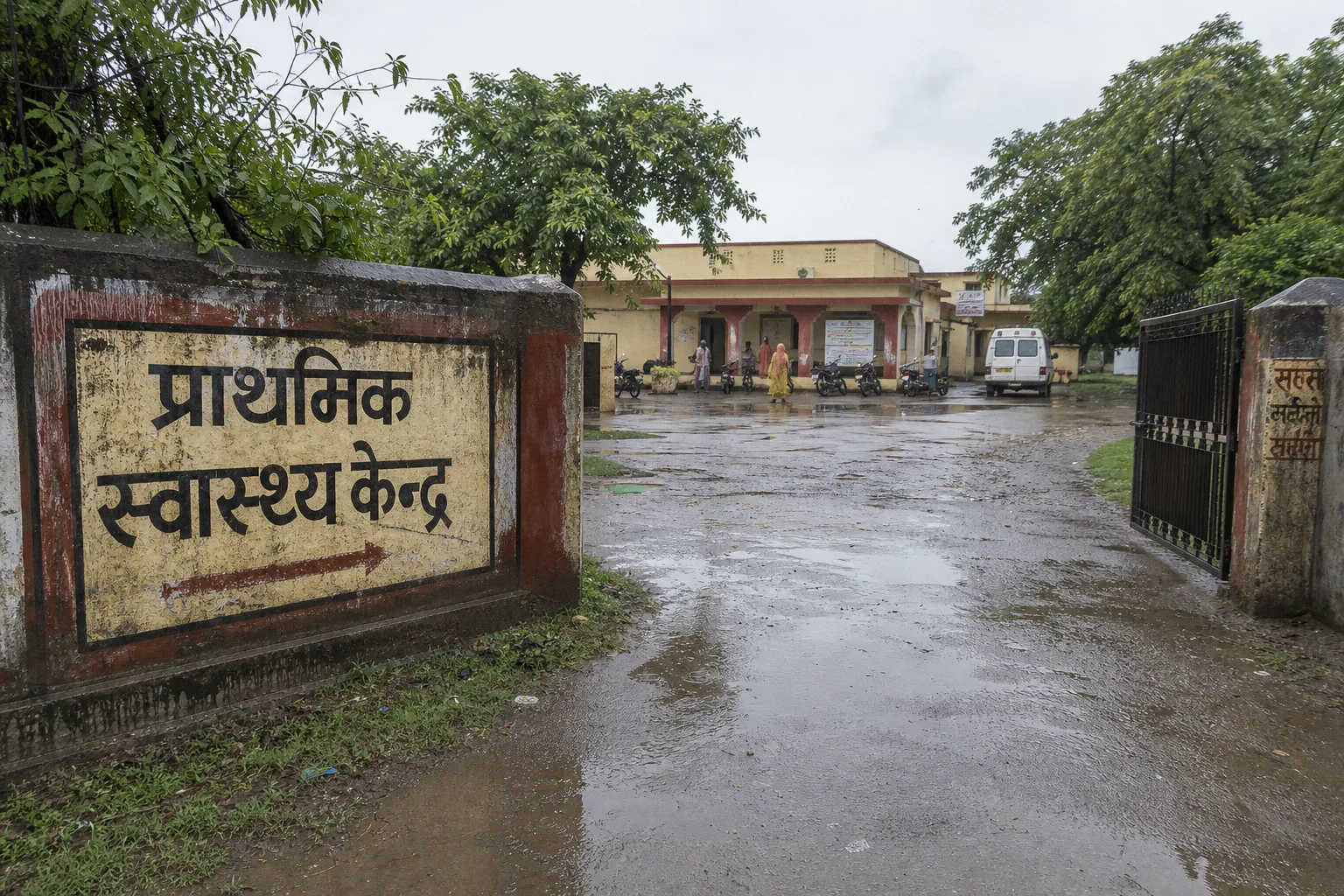
That’s why a new call from the World Health Organization, UNICEF, UNFPA, and PMNCH feels so relevant right now. They’re inviting input on what priority topics should guide women’s, children’s, and adolescents’ health after 2030, acknowledging that while progress has been made, key goals remain unmet and the global landscape is shifting. For those of us on the ground, this is a chance to help steer the evidence and focus for the next era of care.
What this means for care on the ground
The call is essentially asking: what do we need to study and plan for to protect and advance health beyond the current Sustainable Development Goal timeline? The agencies are seeking topics for technical analyses—everything from evidence reviews and country case studies to implementation research and future monitoring frameworks. They’re looking for ideas that challenge assumptions and point to practical, evidence-informed options. This isn’t just a high-level policy exercise; it’s about building a shared evidence base that will, ideally, translate into clearer guidelines, better-funded programs, and more responsive care systems in our clinics and communities.
The local context: growth, gaps, and patient realities
Here in India, the landscape for women’s health is evolving rapidly. Market analysis points to significant growth in the women’s health sector, driven by rising awareness, government programs, and digital health adoption. Yet, as practitioners, we know that market growth doesn’t automatically close care gaps. We still navigate barriers like uneven access to specialized services, the need for integrated mental health support, and the challenge of reaching women in remote areas with personalized care. The WHO’s call is an opportunity to highlight these very issues—like the importance of shifting from purely emergency-focused care to robust preventive and wellness models that truly support a woman’s lifelong health journey.
Why your frontline perspective matters
The consultation is open to governments, academia, civil society, and professional associations—but I’d argue that voices from clinical practice are especially vital. We see firsthand where protocols succeed or fail, which patient dilemmas persist, and what operational hurdles stand in the way of quality care. Whether it’s improving postpartum care pathways, addressing adolescent reproductive health education, or strengthening systems for managing conditions like PCOS in primary settings, our insights can help shape analyses that are grounded in reality. The deadline for submissions is October 18, 2026, and while not every suggestion will be commissioned, all will be considered by a multi-agency technical working group.
This is a moment to contribute to a roadmap that will influence resource allocation, research priorities, and policy for years to come. If we want the post-2030 agenda to truly reflect the needs of women, children, and adolescents we serve, our collective, evidence-informed voice from the frontline is essential.