Why India’s Maternal Health Systems Must Rethink Staffing Amid Rising Workforce Demands
A separate announcement from Women's Health Domain, distributed via EIN Presswire, pushed summer pregnancy safety guidance for expecting mothers.
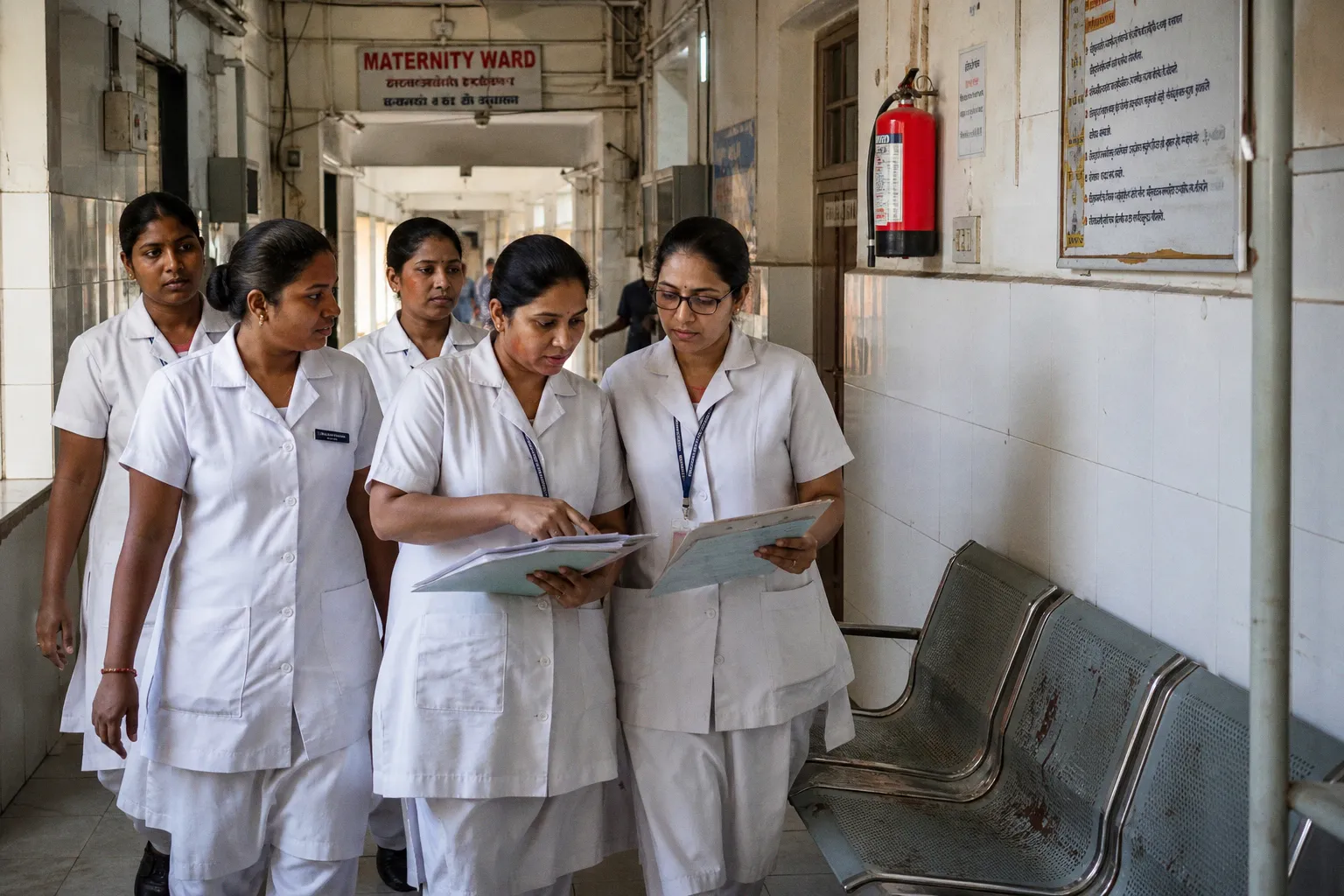
A cluster of women's health announcements crossed the wire this week, and buried in the noise is a workforce number that should reshape how district maternal systems plan capacity. Per reporting from FemTech World, a global study found that women drove 71% of health workforce growth worldwide since 1990.
For reproductive and child health programs across Indian districts, that figure isn't a diversity talking point — it's a staffing reality. The hands running antenatal clinics, ASHA outreach, labor wards, and pediatric follow-up are overwhelmingly women, and the pipeline keeps widening. The harder question is whether training, supervision, and equipment supply are keeping pace with that headcount.
The Confirmed Signal
The 71% growth figure is the single substantive data point in the available reporting. What the headline doesn't reveal — and what any systems planner needs to know before adjusting rosters — is the role-level breakdown: nurses, midwives, community health workers, obstetricians, lab technicians. Without that granularity, a district administrator can't answer the basic operational question: do we have enough trained hands in each cadre for next quarter's projected delivery load?
What Else Hit the Wire
The public press wire content carried only the headline — no extractable tips on hydration thresholds, heat-illness triage, or electrolyte protocols. That matters, because for districts where summer temperatures routinely exceed 40°C and most pregnancies happen in uncooled homes, generic seasonal advice without India-specific thresholds is operationally thin.
Two other items ran in the same cluster: TipRanks noted Xella Health highlighting a precision diagnostics strategy in women's health, and streamlinefeed.co.ke reported a global study linking premature menopause to significant hypertension risk. Neither carried extractable detail in the available snippets, so the clinical mechanics — screening cutoffs, risk magnitudes, follow-up intervals — remain unverifiable from the public material.
What to Track
- The methodology behind the 71% figure: which countries, which cadres, which decade-by-decade breakdown, and whether India-specific data sits inside it.
- Whether the Women's Health Domain guidance publishes India-specific heat exposure thresholds relevant to PHC and sub-center workflows, or stays at the level of general consumer advice.
- How the premature menopause and hypertension finding translates into postpartum and mid-life screening protocols at the PHC level — or whether it never reaches past tertiary centers.
- Whether the Xella diagnostics strategy translates into anything operationally deployable at sub-district facilities, where the bulk of maternal contacts actually happen.
Capacity is growing. Whether the supply chain behind that capacity — training, equipment, referral pathways — is keeping up is the question the press releases don't answer.