Strengthening Postnatal Care: New Government Initiatives for Maternal Health
The Government of India has laid out its playbook for pregnant women's care, nutrition, and welfare, according to a Press Information Bureau update — and buried in the announcement is a named…
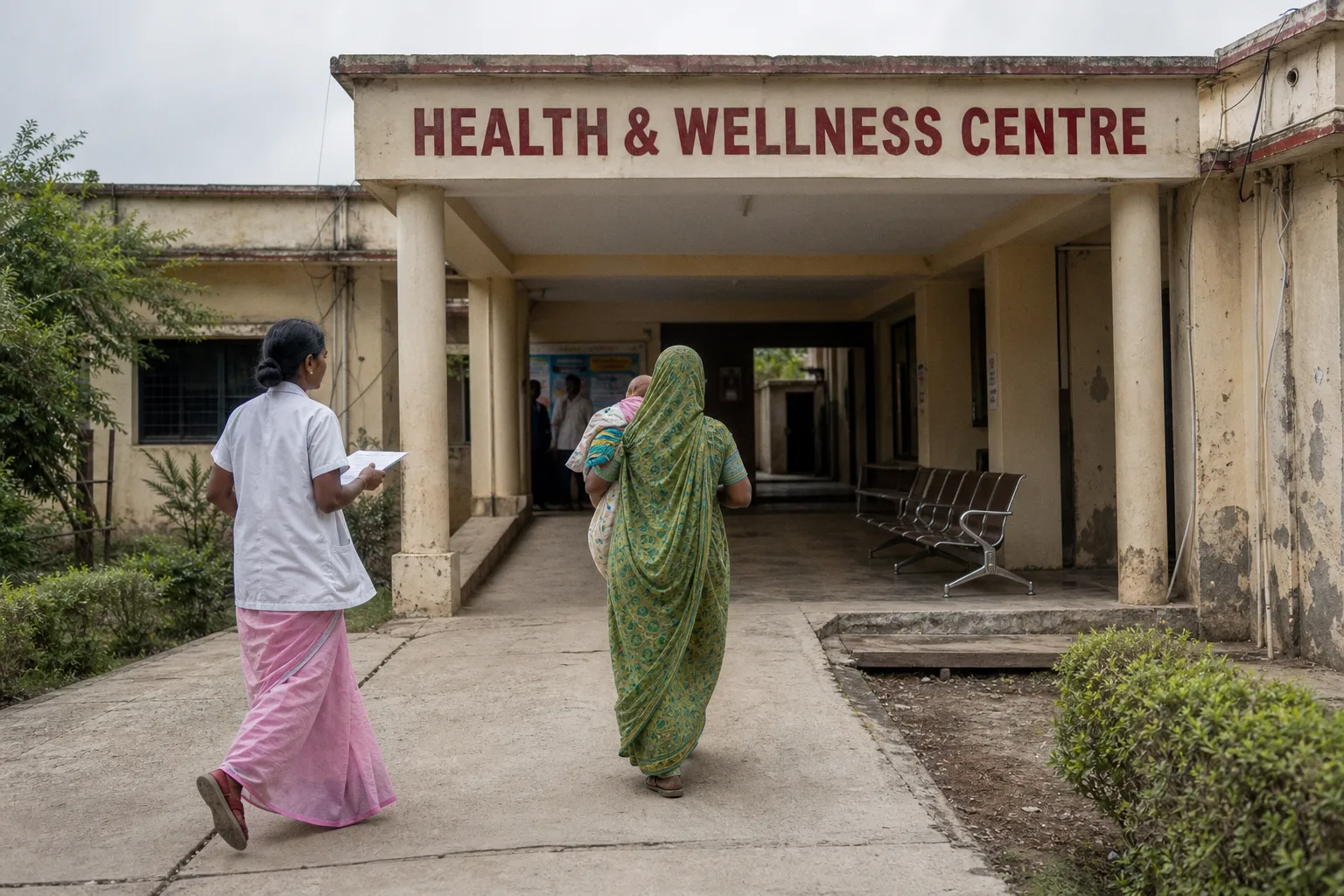
The Government of India has laid out its playbook for pregnant women's care, nutrition, and welfare, according to a Press Information Bureau update — and buried in the announcement is a named initiative, "Optimizing Postnatal Care," that signals where the pressure point really is: the weeks immediately after delivery, not just the antenatal window.
This is a logistics story more than a policy story. Postnatal care is where supply chains fracture — where iron-folic acid stocks run thin, where ASHA workers can't complete the mandated home-visit cycle, where sub-centers sit without functional newborn warming equipment. When a government names a specific initiative for this phase, it's usually because that's exactly where the system has been bleeding outcomes.
What the announcement actually names
PIB's write-up flags "Optimizing Postnatal Care" as the headline move, framed around strengthening the quality of post-natal services. BW Healthcare World ran the same thread the next day with a summary titled "Government Strengthens Maternal Healthcare and Nutrition," confirming the maternal-health track is active rather than rolled into broader welfare messaging. The verifiable core is narrow but real: the named program is postnatal, not prenatal.
For a district-level officer reading this, the question is immediate — does "Optimizing Postnatal Care" translate into updated protocols at the PHC level, or is it a framework document that stops at New Delhi?
The welfare context — and what the numbers don't show
DD News bundled the announcement into a wider welfare narrative: 25 crore lifted out of poverty, 15.8 crore households with tap water connections. These are infrastructure claims that matter for maternal outcomes only if they reach the last mile. A piped-water connection doesn't reduce anaemia if supply is intermittent and a household can't store it safely. A poverty-exit headline doesn't translate into dietary diversity for a pregnant woman in a tribal block.
The systems layer underneath — ration-card integration, take-home rations at Anganwadi centres, IFA distribution cycles — is where outcomes actually move. The announcement confirms intent, not delivery.
What breaks when the funding tap runs
For a systems-level warning on what maternal infrastructure collapse looks like, the UNHCR's recent finding on refugee populations in sub-Saharan Africa is a useful benchmark: neonatal mortality among refugee women rose 81% between 2025 and 2026, with global aid cuts named as the driver. India is nowhere near that funding environment, but the mechanism is identical — when budgets contract, postnatal visits are the first line item trimmed because they're harder to audit than institutional deliveries.
What to track next:
- Whether "Optimizing Postnatal Care" issues operational SOPs for sub-centers or stays at the policy-paper level.
- ASHA worker incentives and visit-cadence targets specifically in the postnatal window.
- Whether IFA and calcium supply chains have been re-tendered — or only re-announced.
- District-level disaggregation of the welfare numbers, not just the national totals.