The Critical Role of Nursing and Midwifery in India’s Maternal Health Success
my last night shift in a busy district maternity unit, I watched two nurses stretch themselves across eight labour rooms while a third colleague called in sick — and that single shift is, in many…
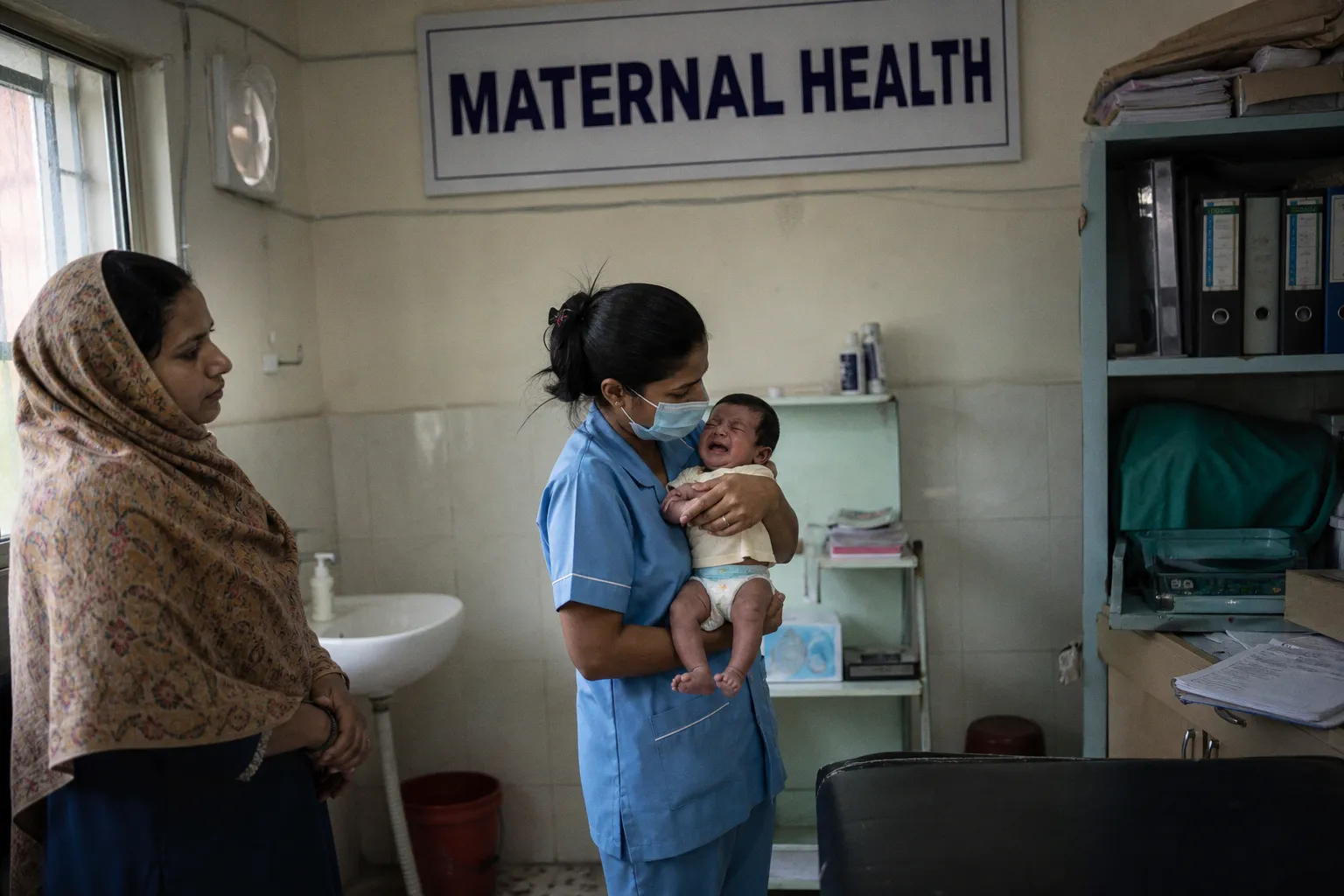
my last night shift in a busy district maternity unit, I watched two nurses stretch themselves across eight labour rooms while a third colleague called in sick — and that single shift is, in many ways, the whole story behind a fresh wave of global data on who actually delivers care to mothers and newborns.
According to the World Health Organization's latest nursing and midwifery brief, the worldwide shortage of nurses has eased slightly, from 6.2 million in 2020 to 5.8 million in 2023, and is projected to fall to around 4.1 million by 2030. Midwifery remains under even greater strain: there are an estimated 2.2 million midwives globally, against a shortfall of roughly 900,000. Nearly 70% of that nursing gap is concentrated in the WHO African and Eastern Mediterranean Regions, while almost 80% of the world's nurses work in countries that hold only about half its population. For India, where maternal outcomes are still shaped by who is present at the bedside, the numbers land closer to home than they might appear.
What NFHS-6 is showing on the ground
India's newly released National Family Health Survey (NFHS-6) factsheets — covering nearly 679,000 households across 715 districts — offer the most detailed recent map of where maternal care is actually reaching women. One figure stands out for frontline practitioners: institutional deliveries have climbed to 90.6%. Closing the remaining gap, as the Devpolicy Blog analysis points out, is no longer simply a question of building more beds. A fully stocked labour room can still stand empty if women cannot reach it safely, if their autonomy at home is limited, or if the nearest provider is overstretched.
That is where the workforce maths begins to bite. Even with 29.8 million nurses worldwide in 2023, density in high-income countries is more than ten times higher than in low-income ones, and the WHO reports that only 42% of countries have formal provisions supporting nurses' mental health. Burnout and attrition are not abstract HR problems; they are the reason a pregnant woman in a remote block may or may not find a skilled attendant when labour begins.
What this means for the women I see
In India, the Pradhan Mantri Surakshit Matritva Abhiyan (PMSMA) has now examined over 7.50 crore pregnant women as of August 2026, according to a Government of India factsheet — a reminder that antenatal contact is expanding fast, but quality still depends on the nurse or midwife holding that woman's hand through the visit. When I talk to expectant mothers at the clinic, I now ask three questions more pointedly than I used to: who will actually conduct my delivery, is that provider trained in emergency obstetric care, and what happens if I arrive at a facility with too few staff to monitor me closely?
For district planners and clinic managers, the practical reading is straightforward. Strengthen midwifery education, protect working conditions so experienced nurses stay in post rather than migrate, and pair facility-level data — like that emerging from NFHS-6 — with local realities such as transport, decision-making power at home, and digital access. The global shortage is easing slowly; the question for India is whether that easing reaches the next woman walking through our doors before her labour does.