Tragedy in Bhilwara: Two Postpartum Deaths Highlight Severe Maternal Care Gaps in Rajasthan
Two postpartum deaths at the Mahatma Gandhi Hospital in Bhilwara have pushed Rajasthan's recent maternal mortality toll to 21, according to a PTI report carried by ThePrint — a sobering reminder that…
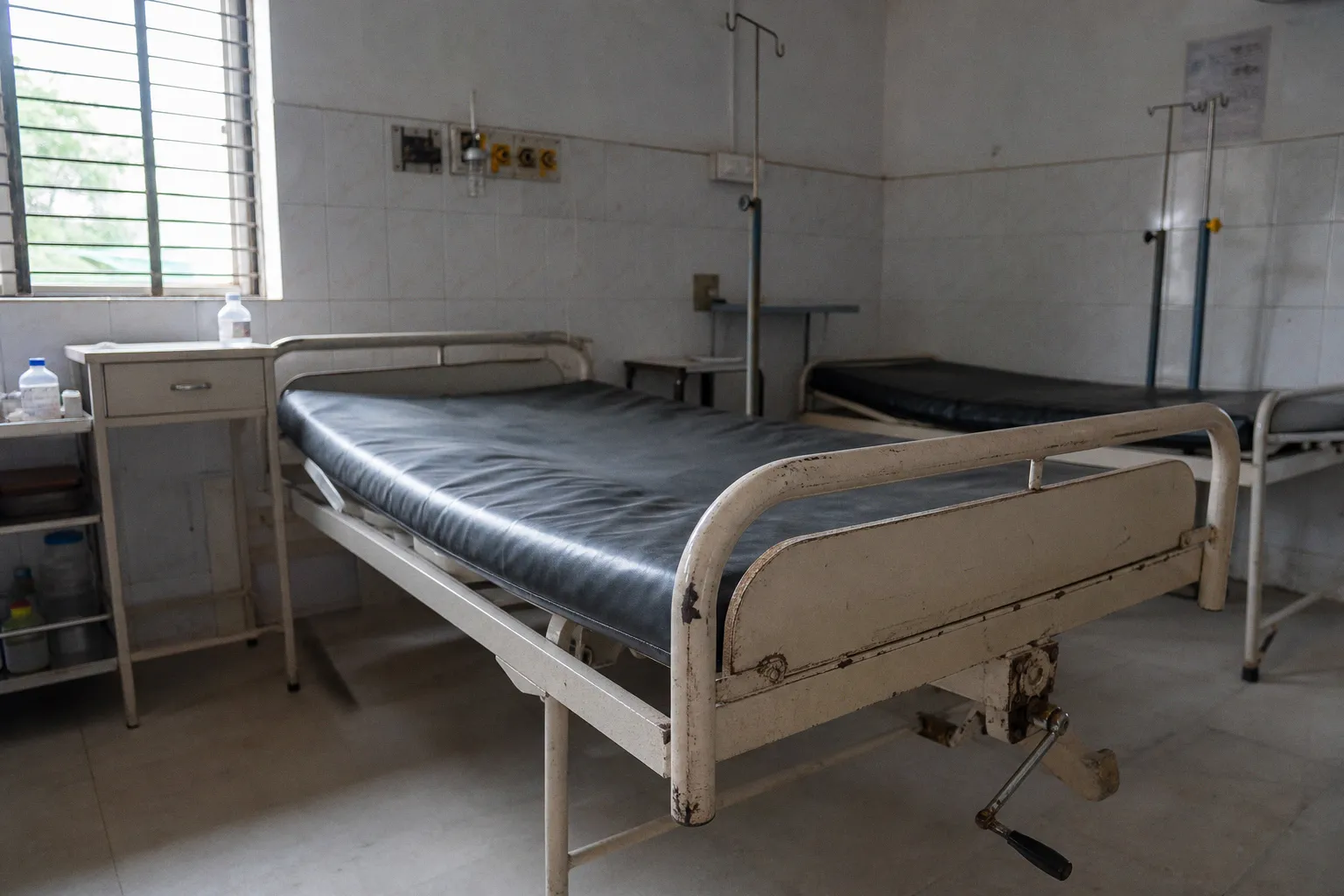
Two postpartum deaths at the Mahatma Gandhi Hospital in Bhilwara have pushed Rajasthan's recent maternal mortality toll to 21, according to a PTI report carried by ThePrint — a sobering reminder that even when a woman reaches a facility on time, the system can still let her slip through.
What we know about the two cases
The first woman, 22-year-old Sugna Mohan Bairwa from the Kothari area, was referred from Shahpura in critical condition after delivery. By the time she reached the Bhilwara medical ICU, her blood pressure was unrecordable and her haemoglobin sat at 1.8 gm/dL — what any midwife would call textbook severe anaemia. A specialist team worked on her, but she died of shock and acute anaemia, hospital Superintendent Dr Arun Gaur confirmed.
The second, 18-year-old Rani Bhura Banjara from Patel Nagar, delivered her first child at the same hospital. Within hours she developed seizures, followed by excessive bleeding; her D-dimer came back abnormal. Chief Medical and Health Officer Dr Sanjeev Kumar Sharma has now ordered inquiries into both deaths, and officials are pulling together antenatal records, hospital documents and sonography reports to establish the exact cause.
What unsettles me, reading this from a clinical lens, is the phrase health officials used: neither woman had been flagged as a high-risk pregnancy. That single line is where prevention work either happens or quietly fails.
Why anaemia of this severity reaches the delivery table
A haemoglobin of 1.8 is not a number that appears overnight — it is the endpoint of months, often a whole pregnancy, in which antenatal care never quite caught what was unfolding. The first-trimester reading, the iron and folate supplementation, the diet counselling, the follow-up after 28 weeks: somewhere along that chain, a woman walking into severe anaemia was missed.
The second case — seizures, then bleeding, with an abnormal D-dimer — raises the differential frontline teams in India keep permanently on the table. Eclampsia or HELLP on one end, amniotic fluid embolism or abruptio on the other, and always the coagulation picture that follows a postpartum haemorrhage. Sorting out which it was is precisely why those records are being collected now.
Leader of Opposition Tikaram Jully called the deaths "heart-rending" and pointed to a pattern across Kota, Bikaner, Bhilwara and Banswara. Political language aside, the pattern is what a clinician watches for: when several districts report similar cases in the same window, they stop being isolated incidents.
What this asks of frontline teams
If you are working at a PHC, a sub-centre or a busy district OPD, this is the moment to tighten the second-trimester handover. Re-check haemoglobin between 24 and 32 weeks, not only at booking. Ask directly about breathlessness on exertion, about pica, about whether iron tablets are being tolerated or quietly discarded. Refer early when a reading dips below 8 gm/dL, and document the referral so the receiving team has a trajectory, not just a single number.
For expectant mothers and their families: if an ANC visit has not included a haemoglobin check, ask for one. If iron tablets cause nausea or constipation, say so — there are alternative formulations and dosing schedules, and that conversation is part of care, not an inconvenience.
The Bhilwara inquiry is still pending, and the exact cause in each case has not been established. Until it is, the most honest clinical response is to assume the gap sat in the screening that came before the delivery room — and to begin there.