What Babies Want: Skilled Nannies
The Times of India is turning its lens this week onto something most new mothers quietly worry about but rarely name out loud: who is qualified to care for their baby when they cannot be in the room.
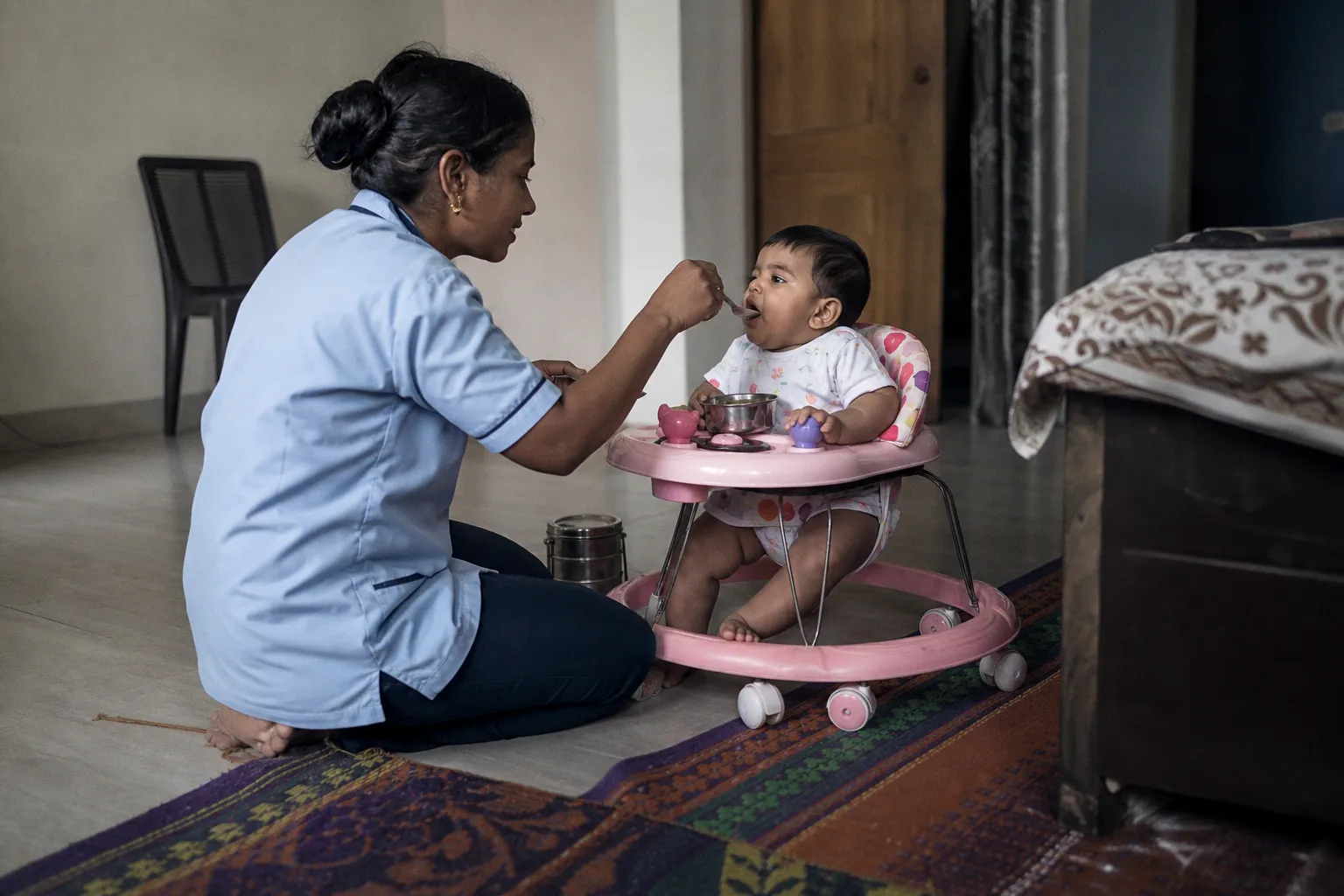
As reported in a recent piece headlined What Babies Want: Skilled Nannies, the conversation around trained childcare in Indian households is shifting from a luxury conversation to a public-health one — and frankly, on the ward, I have been waiting for this shift for years.
Why this lands on a midwife's desk
In the clinic, I meet women in those blurry postpartum weeks who are desperate to rest, recover from delivery, and establish breastfeeding, yet feel tethered to household duties the moment they cross the threshold at home. Hiring help is not a moral question for me — it is a clinical one. If the person soothing a four-month-old through the night cannot recognise the signs of dehydration, cannot burp safely after a feed, does not know that a newborn should never be left prone on a soft surface, the arrangement stops being a convenience and starts being a risk vector. The Times of India piece seems to be surfacing exactly this unease: families are not just asking for an extra pair of hands, they are asking for someone who knows what an infant actually needs.
What "skilled" should mean at the bedside
When I counsel mothers and grandmothers about choosing a caregiver, I walk them through the same checklist I would use for a junior nursing hire. Can the candidate describe safe sleep positioning in plain words? Do they know how to prepare formula with measured water, or do they pinch and pour? Will they wake a sleeping baby for feeds on the schedule a paediatrician has set, or will they let the infant sleep through because it is easier? Can they identify a fever in a baby under three months as an emergency rather than a nuisance? These are not textbook questions. They are the small daily decisions that decide whether a child reaches their first birthday healthy. A genuinely skilled nanny is someone who can answer them.
The gap the story exposes
What the Times of India coverage points to — and what I see in my own caseload — is a market that has outgrown the informal word-of-mouth system. Demand for trained caregivers is rising faster than the supply of women and men who have actually been taught infant care, feeding, hygiene, and basic first aid. Until that training pipeline catches up, parents are paying premium fees for titles rather than competencies. For practitioners, that means our antenatal classes and discharge counselling have to extend beyond the mother herself. We are now, in effect, also orienting the household's future employee.
What to watch next
For readers following this beat, the story to track is whether India's childcare training ecosystem — both government-accredited creche workers and the growing private certification market — responds to this demand with verifiable standards, or whether "skilled nanny" becomes another marketing label. On the ground, I will keep asking every new mother I see the same question: who is holding your baby when you are not, and what do they actually know? It is the question that turns a news headline into safer care.