WHO Unveils PROTECT Framework to Combat Global Drowning Epidemic
The World Health Organization has dropped a technical package built around seven interlocking drowning-prevention measures — packaged under the acronym PROTECT — ahead of World Drowning Prevention Day on 25 July.
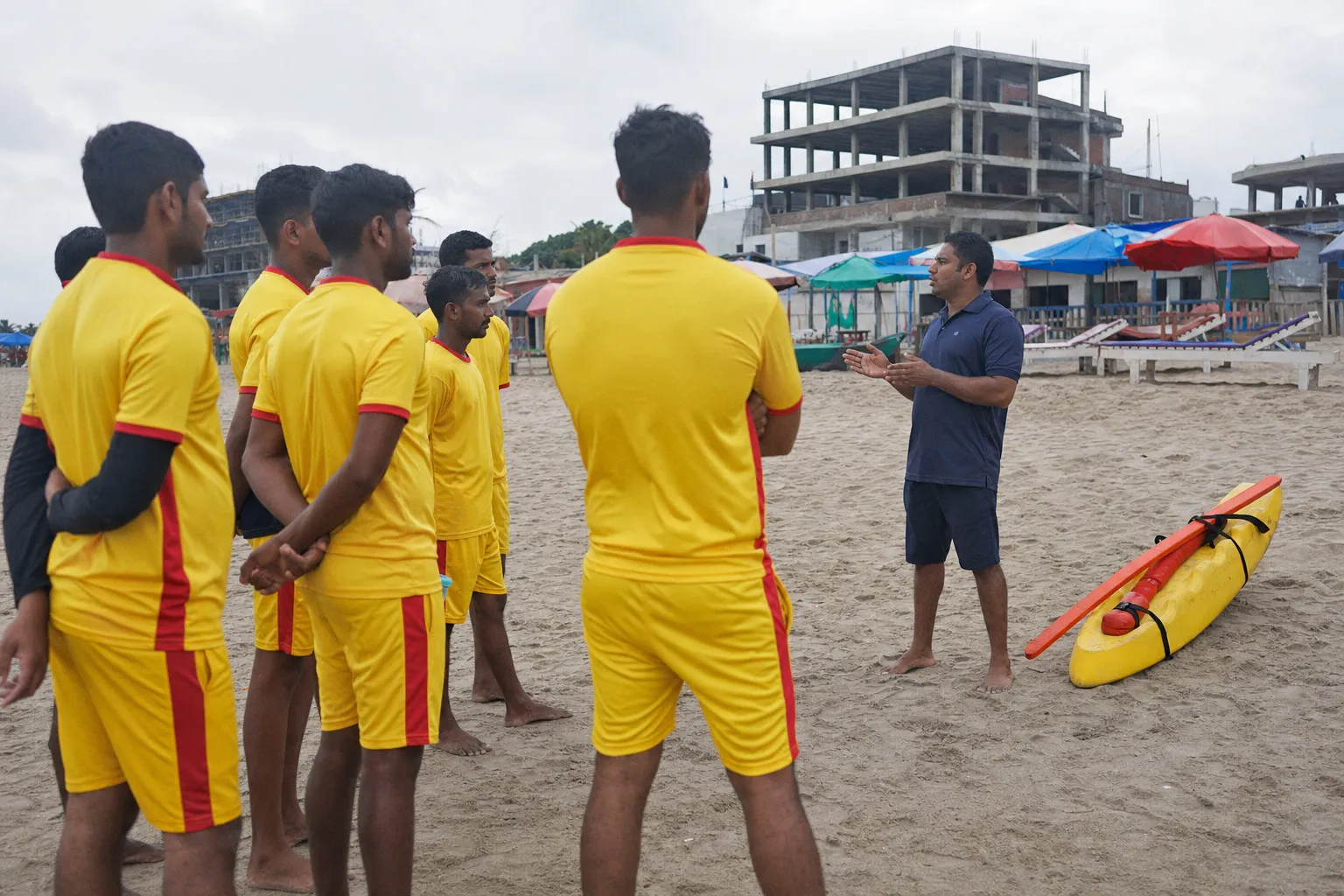
PROTECT lands. Now comes the hard part — wiring it into India's drowning hotspots
For a country where rural water bodies, open wells and domestic storage containers sit metres away from millions of under-14s, this isn't background policy. It's a supply chain for child survival that clinics and ASHA networks can actually route into.
What PROTECT actually covers
According to WHO, the package translates the first-ever Global Strategy for Drowning Prevention — launched by the WHO-hosted Global Alliance for Drowning Prevention in 2025 — into actionable, evidence-informed guidance across seven domains. As WHO Director-General Dr Tedros Adhanom Ghebreyesus put it: "Every drowning is a tragedy, and most are preventable. The seven PROTECT strategies give countries practical, evidence-based approaches to prevent these tragedies, including making water transport safer, teaching school kids to swim, and preparing for floods."
Translation for systems people: it bundles the proven interventions — safer water crossings, supervised early-swim learning for children, hazard control on wells and containers, flood response readiness, data systems for tracking — into one deployable chassis instead of leaving each district to rebuild it from scratch.
Why India is on the receiving end of this package
The global case load is brutal. WHO data cited in the launch notes nearly 300,000 drowning deaths worldwide each year, with drowning sitting among the ten leading causes of death for children aged 5–14. More than 90% of those deaths happen in low- and middle-income countries — exactly the operating environment of most Indian districts. The climate signal sharpens the pressure: WHO-cited research from the United Kingdom found drowning deaths rise 7.2% for every 1°C temperature increase, and the risk is nearly five times higher on days exceeding 25°C compared with days below 10°C. India's heatwave season just turned that finding into a recurring field problem.
The launch was anchored in Ghana — where an estimated 1,100 people drown annually, roughly three deaths per day — as recognition of national political commitment. The underlying message for ministries, PHCs and district health offices: a verified framework now exists; the deliverable is local adoption.
Implementation checklist for districts
If you're a state programme officer or block-level health lead, here is the tractable filter for deciding whether PROTECT actually lands where you work:
- Map every open well, uncovered water tank, canal and river crossing within 500 metres of an anganwadi catchment. If the map doesn't exist, the first intervention is the survey, not a poster.
- Slot supervised early-swim and water-survival training into schools near perennial water bodies — not as an extracurricular, but as scheduled curriculum time.
- Anchor flood and heatwave response plans to the district disaster management office, not to a hospital that activates after the body is recovered. WHO's data on rising temperatures and drowning is the trigger; early-warning fan-out is the muscle.
- Stand up a death-by-drowning surveillance line in the district HMIS. If there's no separate category, drowning casualties are silently merging into "other unintentional injuries" and blocking budget lines that depend on visibility.
Bloomberg Philanthropies, whose public-health programme is led by Dr Kelly Henning, has co-funded the dissemination push alongside WHO — meaning partner funding is already oriented toward jurisdictions willing to adopt the framework.
What to watch next
Three signals will tell us whether PROTECT moves from press release to practice. First, whether India's Ministry of Health and Family Welfare publishes a district-level adoption note or pilot list — not a webinar, an implementation roster. Second, whether state heat-action plans add drowning to their morbidity columns before next summer. Third, whether the 2026–27 HMIS recognises drowning as a line item in child death reporting.
No community should be inventing drowning-prevention infrastructure from scratch in 2026. The blueprint just landed. The bottleneck is now procurement, training capacity, and political will at the block level — the unglamorous logistics that actually decide whether a child makes it home from the river.