Women's health
When I sit across from a patient in a community clinic — whether she's navigating her first pregnancy or coming to terms with the shifts of perimenopause — I'm reminded that women's health doesn't pause for policy cycles or academic debates.
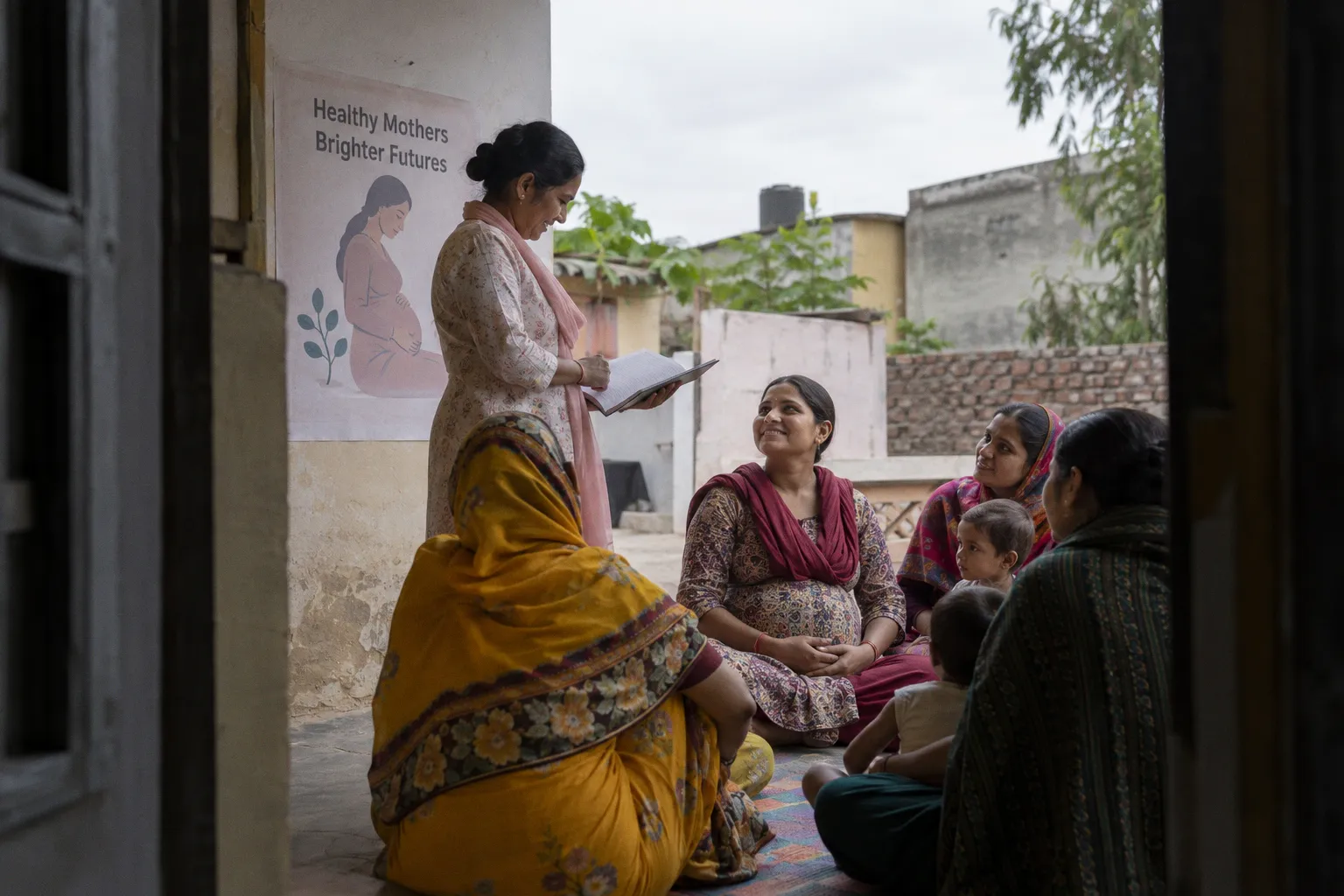
What New Global Investment and Emerging Research Mean for Women's Health on the Ground
It unfolds in real time, in real bodies, in places where resources are often stretched thin. That's why two recent developments deserve our attention: a coordinated push to channel global health funding toward integrated care for women and children, and new research suggesting a biological link between menopause and gut inflammation that could reshape how we counsel midlife patients.
Global Fund Grant Cycle 8: An Integrated Approach Gains Momentum
According to the Partnership for Maternal, Newborn & Child Health (PMNCH) and its global partners, the newly highlighted Global Fund Grant Cycle 8 is designed to strengthen healthcare access and continuity of care for women, children, and adolescents through integrated investment strategies. What does this mean on the ground, particularly in India's district-level health system? In principle, integrated funding models break down the silos that have long separated maternal care from child health and adolescent services — silos that, in practice, force families to navigate fragmented referral pathways.
For practitioners working in reproductive and child health, this is significant. When funding flows through a unified strategy rather than vertical programmes, there's a better chance that a woman's antenatal visit also becomes an opportunity to address her nutrition, her adolescent daughter's menstrual health, and her newborn's immunisation schedule in a single care pathway. PMNCH's emphasis on continuity of care echoes what many of us have advocated for years: that the patient journey shouldn't collapse between one government scheme and the next.
That said, it's worth remembering that global funding announcements are starting points, not endpoints. How these strategies translate into district-level budgets, ASHA worker training, and clinic-level supply chains will determine whether patients actually feel the difference.
A Gut–Menopause Connection: What the Research Suggests
Meanwhile, a new study reported by India Today points to a previously underexplored link between menopause and gut inflammation, with potential implications for women's health globally. While the details of the study's methodology and sample size aren't fully available in the report, the finding adds to a growing body of evidence that hormonal transitions don't just affect reproductive organs — they ripple through multiple body systems, including the gastrointestinal tract.
For those of us who counsel women through perimenopause and beyond, this is a helpful reminder to look beyond hot flushes and mood changes. If gut inflammation is indeed modulated by shifting oestrogen levels, then dietary counselling, probiotic considerations, and gastrointestinal symptom screening may deserve a more prominent place in midlife women's health consultations than current guidelines typically allow.
What This Means for Practitioners and Patients
Two takeaways stand out. First, the global investment landscape is slowly recognising what frontline clinicians have always known: women's health is not a series of isolated events but a continuum that demands integrated, sustained support. For India's district health machinery, the challenge will be turning that recognition into accessible, quality care at the primary health centre level.
Second, emerging research on menopause and systemic inflammation reminds us that our understanding of women's bodies is still evolving. Staying curious — and staying current with the evidence — is part of the responsibility we carry when a patient trusts us with her care. Whether she's eighteen or fifty, she deserves a practitioner who sees the whole picture.