Arunachal Pradesh Achieves Major Breakthroughs in Maternal and Child Health Care
When a chief minister steps up to publicly recognise gains in maternal and child health, it is more than a political soundbite — it is a signal to every midwife, ASHA worker and district health officer listening from the periphery.
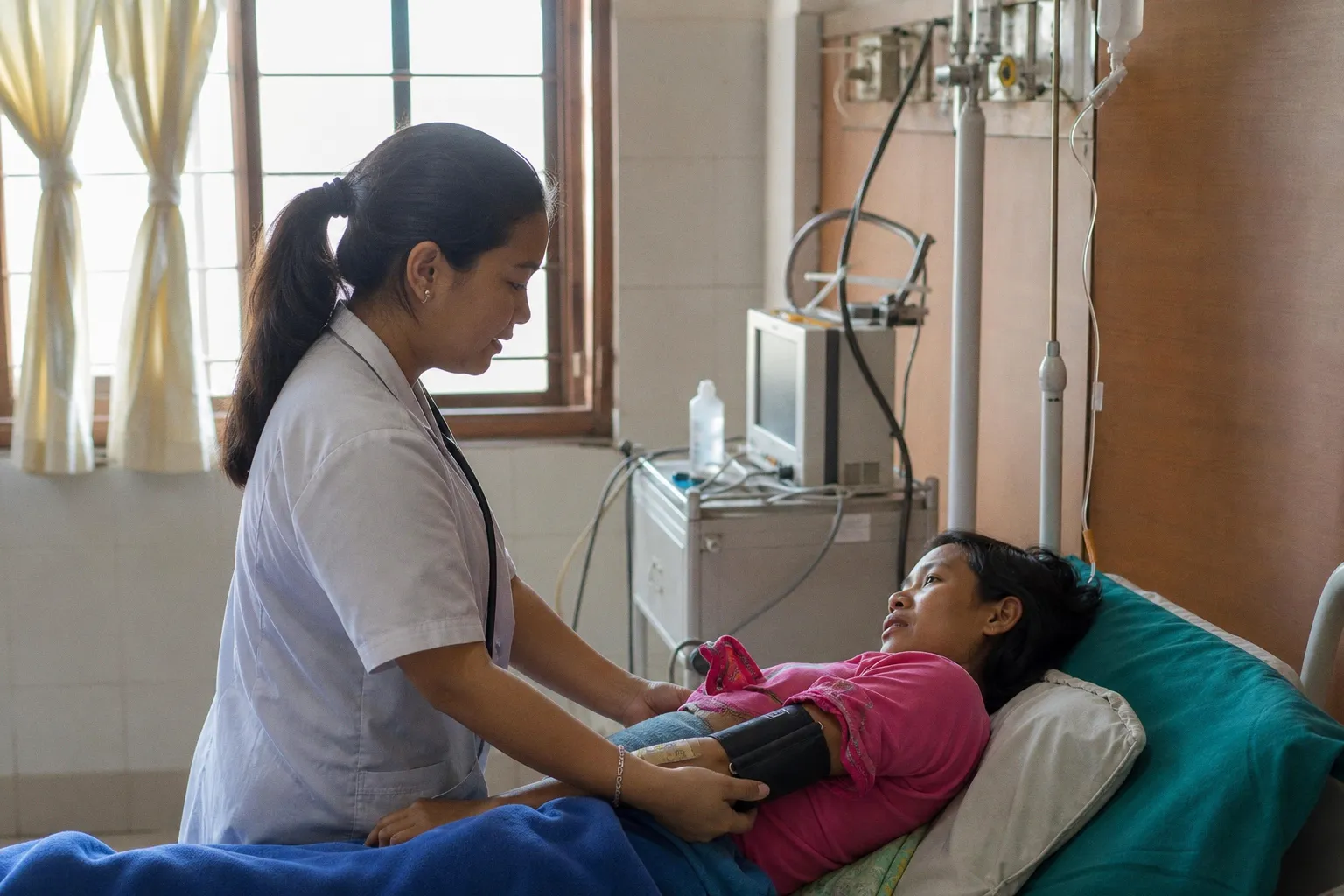
As reported by 10net.in, Chief Minister Khandu has announced that Arunachal Pradesh has recorded sharp gains in maternal and child health, framing the state as a quiet outlier worth studying in a country where so many districts still grapple with stubbornly high maternal mortality ratios.
Why this headline matters on the ground
For those of us working at the bedside or in community clinics across India's northeast, an announcement like this is the kind of news that makes you pause and ask: which interventions actually moved the needle? Arunachal's geography alone — remote hamlets, river-cut terrain, sparse tertiary infrastructure — means that any meaningful improvement has to be the result of something specific. Antenatal coverage expanding into the last mile, institutional deliveries climbing, or better detection of high-risk mothers at the sub-centre level. CM Khandu's framing of "sharp gains" suggests the state is keen to claim measurable progress, and that claim itself is worth taking seriously, not least because it raises the political cost of backsliding in the next reporting cycle.
What practitioners should watch next
A few things are worth tracking as the fuller data emerges. First, whether the gains are uniform across districts or concentrated in a few well-resourced pockets — because in a state as geographically fragmented as Arunachal, averages can mask deep inequities. Second, what role community health workers played, since the northeastern states have historically leaned heavily on the ASHA and Anganwadi network to push antenatal contact rates upward. And third, how neonatal outcomes are tracking alongside maternal indicators, because the two do not always move in lockstep.
For frontline teams, the practical takeaway is simple: keep doing what is working at the community level, document it carefully, and watch for the next state-level release that will tell us whether this is a genuine inflection point or a single-period uptick.
Broader context for India's maternal health map
This announcement arrives against a wider backdrop that should give us both pause and purpose. Elsewhere in the maternal health conversation, initiatives like Vedanta's Nand Ghar programme continue to invest in maternal and child health infrastructure, while the latest review work on hypertensive disorders of pregnancy reminds us that the clinical risks mothers face remain as serious as ever. If Arunachal is indeed showing real gains, it offers a learning opportunity for other states wrestling with rural access, and a reminder that progress is possible even in the hardest-to-reach settings — provided the political will and the frontline workforce are pulling in the same direction.