The Hidden Risks to Maternal Health When International Funding Suddenly Collapses
The Associated Press has been running a story that should make every one of us in the maternal health community pause — carried by The Washington Post, it documents pregnant women and babies dying in…
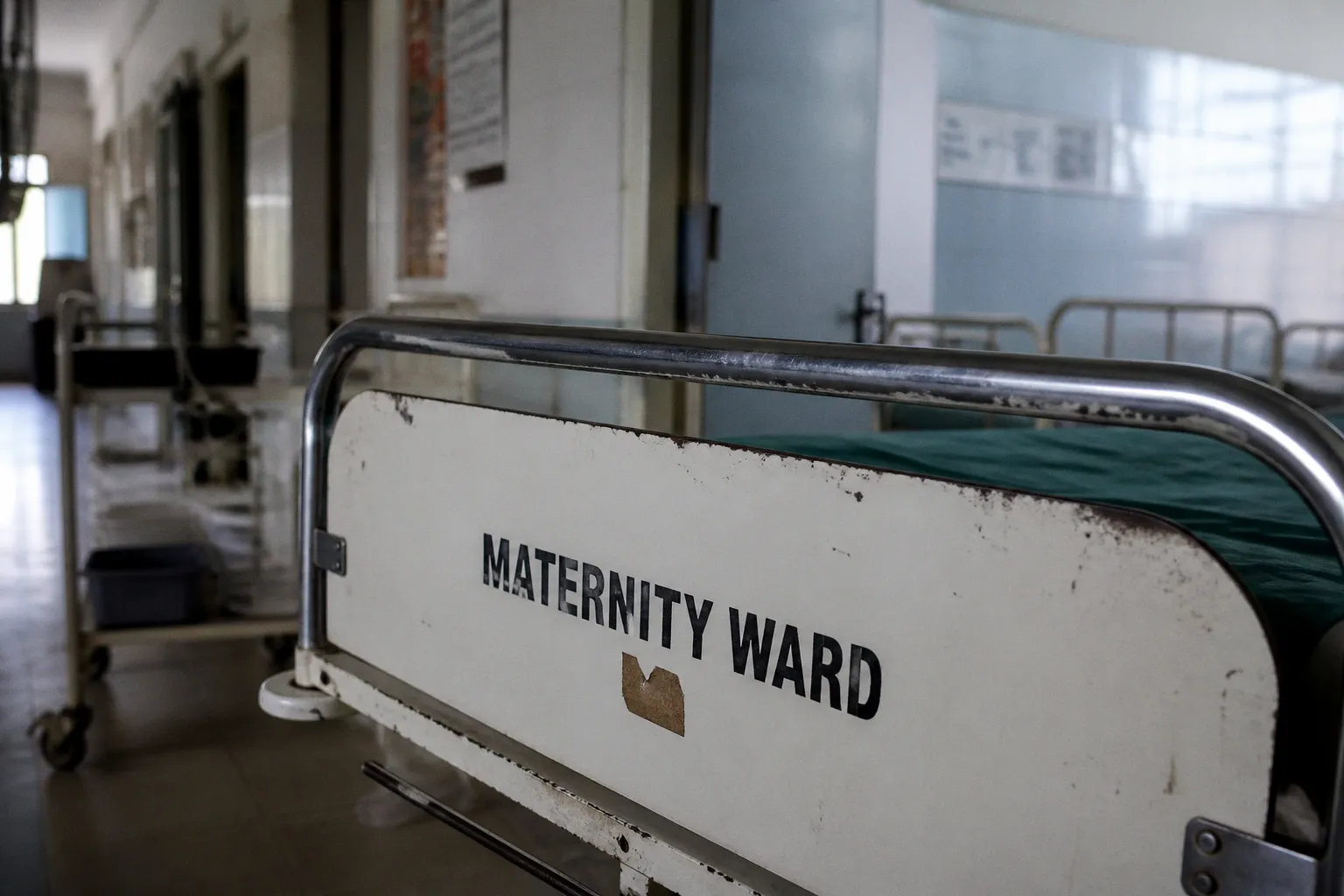
The Associated Press has been running a story that should make every one of us in the maternal health community pause — carried by The Washington Post, it documents pregnant women and babies dying in Nepal as USAID-supported programmes are being rolled back. For those of us working in clinics across South Asia, this is not a foreign story. It is a preview of what happens when external funding collapses without a domestic safety net ready to catch what falls.
What the report describes
According to the AP report as summarised by The Washington Post, mothers and newborns in Nepal are dying in numbers that frontline workers have been quietly warning about for months. The pattern is tied to cuts in USAID funding — the kind of programmes that have historically underwritten maternal and child health services in low-resource settings. The Washington Post framed its write-up as "What to know," which tells me even the broader public is being asked to understand a humanitarian shift, not a routine policy adjustment.
I want to be careful here, because the full AP investigation is not yet in front of us — only its publication and the Post's summary. So rather than recite numbers or attribute specific facilities, let me sit with what the situation tells us about how fragile maternal care pathways really are when donor dollars disappear.
Why this matters for India
This is where I sit up and take notice, and I want you to as well. India has its own substantial domestic architecture — the National Health Mission, the Reproductive and Child Health programme, Janani Suraksha Yojana — and we are not Nepal. But we are not immune either. Several states still depend on partnerships with international donors for training, supply chains, and community-level outreach. Cutting those partnerships abruptly, the way Nepal is experiencing, can mean a woman walks into a sub-centre to find no skilled birth attendant on duty, no functional ambulance referral, no oxytocin in the drawer.
When I think about the families I see, this is the gap that haunts me — not the absence of a high-tech intervention, but the absence of a working system. A maternal death is rarely one thing going wrong. It is the chain breaking at three points, and the donor churn in Nepal is a stark reminder of how quickly that chain can fray.
What clinics and practitioners should watch for
If you are running a PHC, a district hospital, or a community clinic, here is what I would keep on your own checklist right now:
- Audit your supply lines. If any of your drugs, vaccines, or diagnostic supplies pass through donor-funded cold chains or procurement contracts, know exactly which ones — and have a fallback sourcing contact before stockouts hit.
- Map your referral routes. When USAID-supported transport networks or referral coordinators in neighbouring countries begin to thin, patients will cross borders for care. Your intake desk should be ready for that.
- Protect your training pipeline. Many of our ANM and ASHA curricula have been co-developed with international technical partners. If that funding leaves, we cannot let the quality of supervision quietly degrade.
- Listen to the frontline. The Nepal deaths were not announced overnight. They were signalled. The AP report simply documented what nurses and midwives had been saying for months.
What we are still waiting to see
I want to be honest with you — the full AP investigation will carry specific figures, named facilities, and policy timelines that we do not yet have in evidence. I will update this as those details land. Until then, the headline is enough to act on: when donor funding is the difference between a clinic being open or closed, the people who pay the price are the pregnant women and the babies who never made it to their first immunisation visit.