Eight Decades of Progress: How India’s Health Evolution Is Reshaping Maternal Care
Indians are living longer, and Business Standard's recent feature traces what eight decades of health-system evolution have meant for the country.
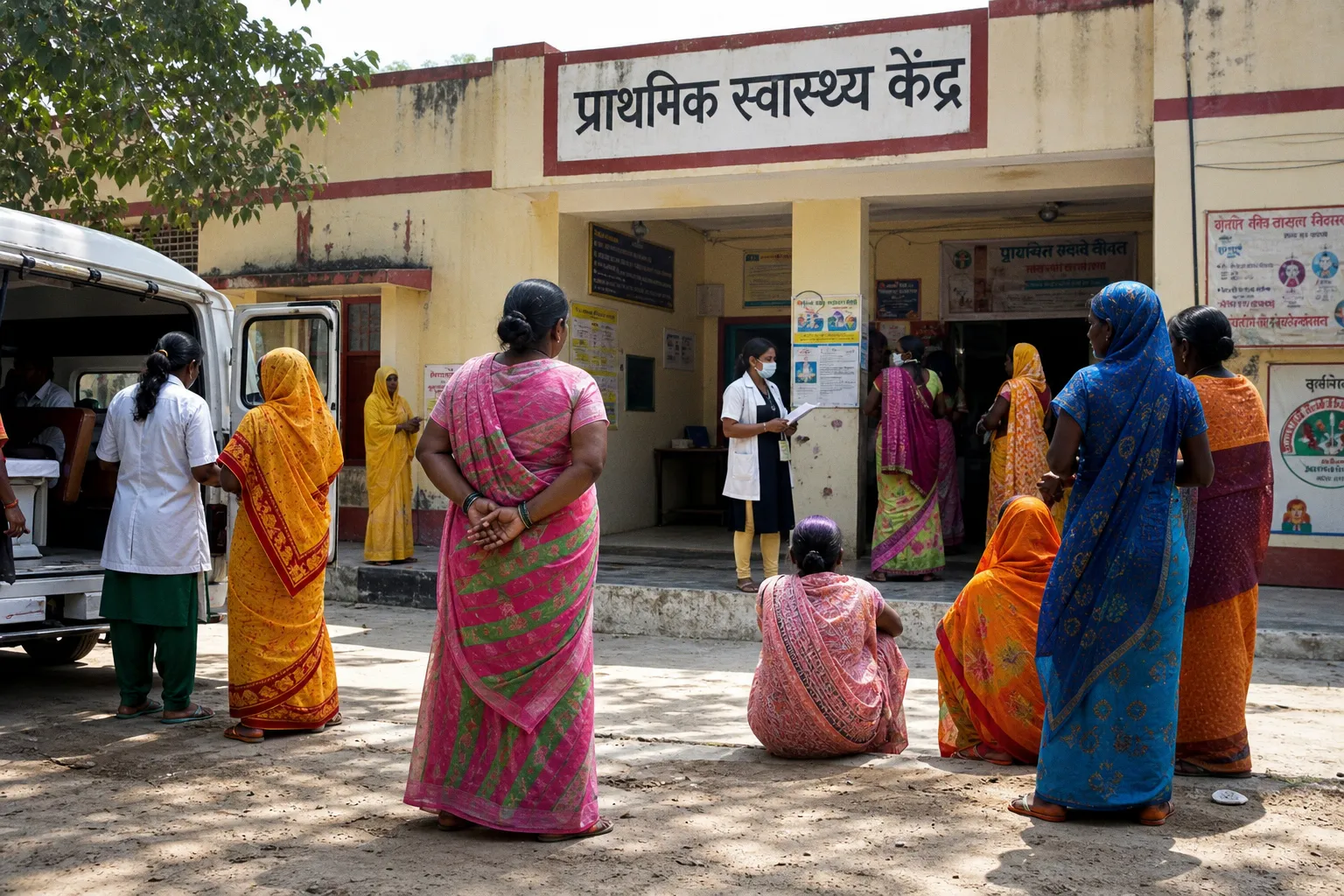
For those of us working on the ground in maternal and reproductive care, the headline is not just about longevity — it is about the slow, uneven reshaping of the conditions under which women in India begin pregnancy, give birth, and survive the postpartum period.
What the reporting signals
According to Business Standard, the piece maps India's health transformation across 80 years, situating demographic shifts within the wider arc of public health investment, policy turns, and changing disease burdens. The framing matters, because longer lives do not automatically translate into safer pregnancies — they can also mean more women entering motherhood with chronic conditions like hypertension and diabetes that complicate obstetric care.
In the communities where I have worked over the years, the practical translation of "living longer" shows up in clinic queues: older first-time mothers, more gestational comorbidities, and a growing need for counselling that connects reproductive planning with chronic-disease management. The shift is generational, not just statistical.
Where digital infrastructure fits in
Two recent developments sit alongside this longevity story. As reported by DD News, the Health Ministry has launched Aarogya Setu 2.0 alongside other initiatives aimed at strengthening the digital health ecosystem. Separately, a usthadian.com report describes Air Suvidha 2.0 — a contactless health declaration platform for international arrivals, developed with the Ministry of Civil Aviation and Delhi International Airport Limited (DIAL).
Neither initiative is a maternal-health programme in the strict sense, but both point to a health system increasingly organised around data flows, early surveillance, and digital touchpoints. For frontline workers, the question worth asking is how these platforms eventually reach the antenatal register — whether they will shorten the path between a high-risk flag and a timely referral, or simply add another layer of paperwork to an already stretched workflow.
What practitioners can take forward
If India's longevity curve is genuinely bending, the next decade of maternal care will be shaped less by infectious-disease emergencies and more by the slow accumulation of non-communicable risk: anaemia that persists into the third trimester, cardiac conditions unmasked by the haemodynamic load of pregnancy, and the metabolic complications of urban sedentary life.
For now, the practical priorities remain unchanged — early registration, continuity of antenatal contacts, and clear referral pathways — but the lens is widening. Practitioners should watch how the new digital tools integrate, or fail to integrate, with existing reproductive and child health programmes, because that is where the difference between a headline statistic and a clinic-day reality will actually be made.