Addressing the Maternal Mortality Crisis in Ghana’s Ashanti Region
Modern Ghana reports that Ghana's Deputy Health Minister has called for stronger measures to bring down maternal deaths in the Ashanti Region — a signal worth watching closely, because the gap…
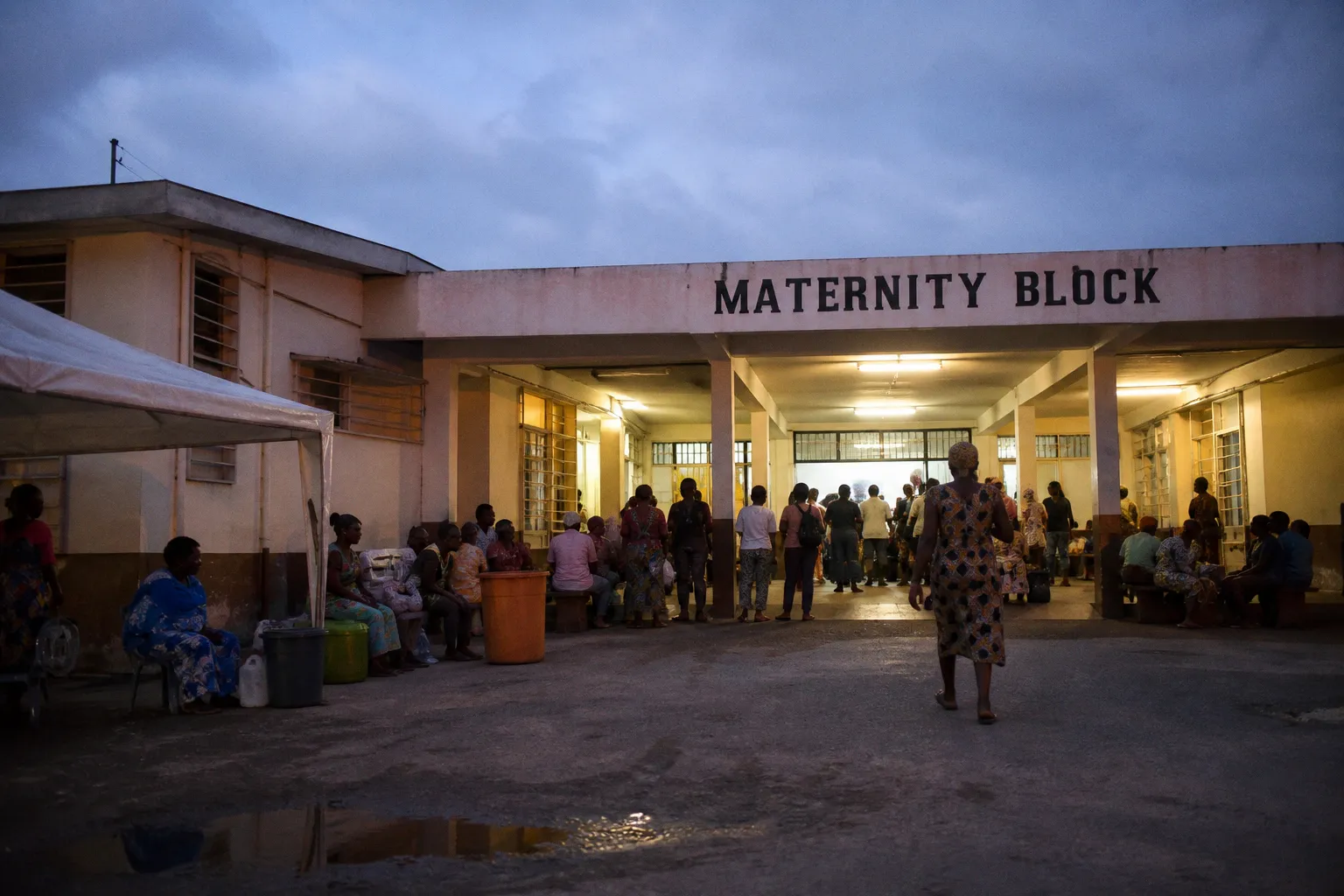
Modern Ghana reports that Ghana's Deputy Health Minister has called for stronger measures to bring down maternal deaths in the Ashanti Region — a signal worth watching closely, because the gap between a minister's words and a labour ward's reality is where mothers are lost or saved.
From the Announcement to the Bedside
In my years of practice, I've learned to read political statements about maternal mortality with a specific kind of attention. When a deputy minister publicly names a region for elevated deaths, it rarely comes out of nowhere — it's usually the visible edge of months of internal review and quiet advocacy from those of us working on the ground.
What follows the statement matters infinitely more than the words themselves. Does the announcement bring new funding for emergency transport? Will community midwives in the affected districts receive refresher training in postpartum haemorrhage response? Are referral pathways being audited to find exactly where women in labour are getting stuck?
These are the questions I find myself asking every time I read a headline like the one from Modern Ghana — because I have sat with too many families in too many similar circumstances to accept policy language at face value.
Parallel Moves Across the Field
While Ghana's leadership responds to its Ashanti figures, other developments this month show how systems elsewhere are attempting to close the same preventable gaps.
KFF Health News reports that hospitals have begun using colour-coded wristbands as a low-tech tool to flag childbirth risks — giving frontline staff a quick visual cue during busy shifts, when a partogram might not be the first thing a nurse sees.
Issuewire notes that Mayflower Women's Hospital has launched a new online platform for women's health education, extending patient counselling well beyond the single clinic visit.
And according to WJTV, a Black Women's Health Conference has centred its work on holistic wellness — drawing attention to the social and mental health dimensions that often get pushed aside in maternal care pathways.
What I'm Watching Next
The Ashanti announcement will either translate into measurable change at the district level or quietly fade into a press release archive. I'll be looking for whether referral hospitals receive real resourcing, whether ambulance services are strengthened, and whether community health volunteers are included in the response — because none of those things happen automatically after a speech.
For colleagues working in similar settings, the wristband approach reported by KFF Health News is genuinely worth piloting. It costs almost nothing, requires only a brief orientation, and integrates with existing risk-assessment protocols. It is the kind of practical, frontline innovation that actually moves the needle.
And the shared lesson from Mayflower's education platform and the holistic wellness conversation WJTV covers is one I return to in clinic every week: a woman who understands her body, who feels heard, and who has continuity of care will fare better in pregnancy and birth than one who is simply processed through a system that never sees her fully.
These stories — from Ghana, from hospital wards abroad, from community conferences — remind us that maternal mortality is a shared language of grief and a shared language of progress. Wherever we practise, we are all working on the same page.