India's Health Infrastructure: Closing the Gap in Maternal and Child Survival
On India's 79th Independence Day, NDTV reported fresh health figures: the maternal mortality ratio has fallen to 80.5 and under-five mortality to 27.7 per 1,000 live births.
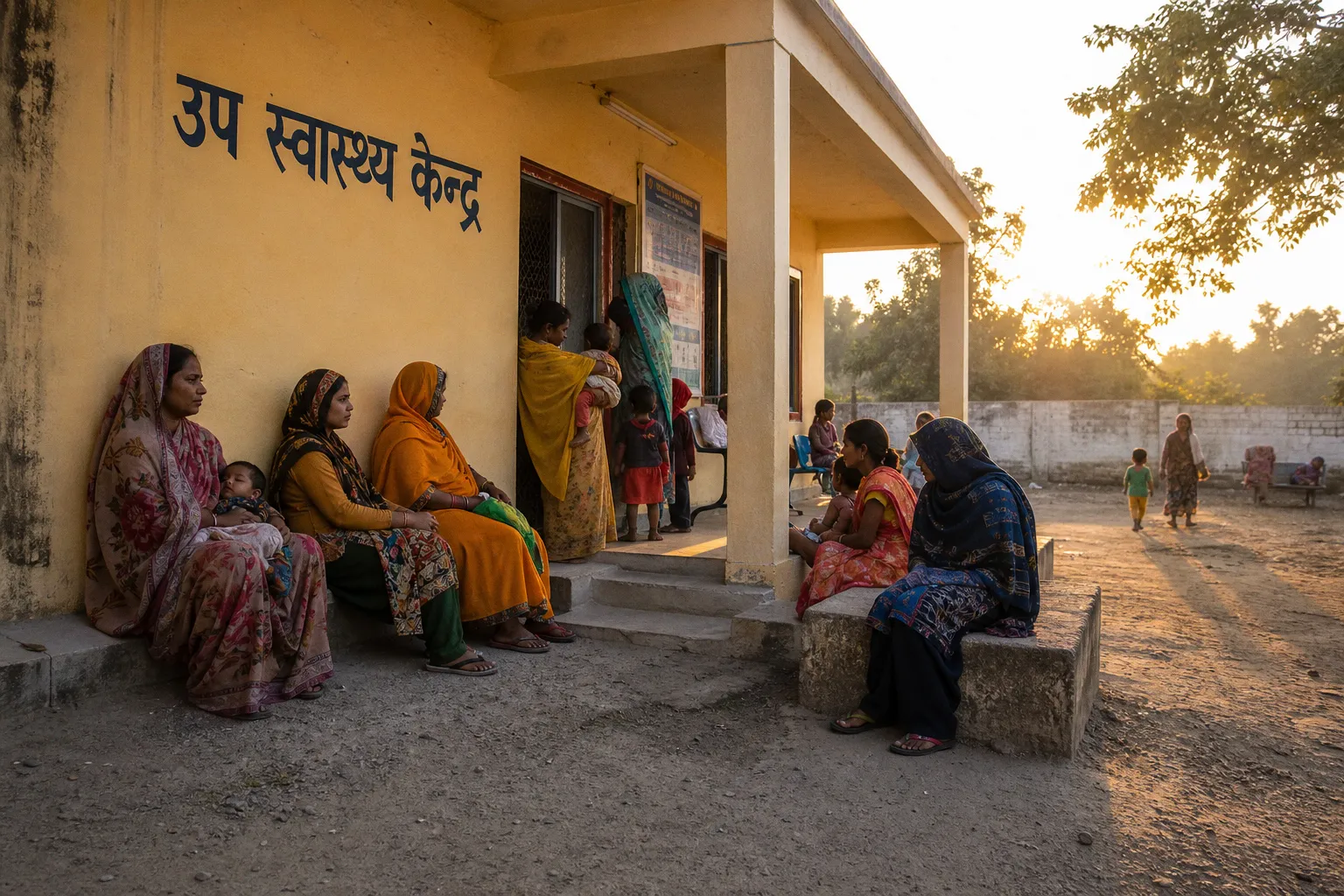
That's a checkpoint, not a victory lap — and the remaining gap is squarely a logistics problem.
Where the Infrastructure Still Leaks
Maternal deaths at a ratio of 80.5 still trace back to largely preventable causes. The pattern repeats across districts: supply chain bottlenecks delaying oxytocin or magnesium sulfate to peripheral facilities, understaffed primary health centres covering catchment areas meant for three, and cold chain breakdowns that spoil vaccines and essential drugs before they reach the last mile. Under-five mortality at 27.7 per 1,000 reflects the same fractures — missed antenatal contacts, late referrals from sub-centres that lack transport, and neonatal care gaps that turn the first hours of life into the riskiest ones.
Data For India extends the view. Life expectancy at birth rose from 41 years in 1950 to 72 by 2024, and the gap with the UK narrowed from nearly three decades to less than a decade. That trajectory wasn't luck — it tracks decades of incremental repairs to water systems, vaccination delivery, and maternal care infrastructure. COVID-19 briefly pulled life expectancy backward, but by 2022 it was back on the pre-pandemic path. The system can break. It can also recover. Both have been demonstrated.
The Operational Frontier Left
What's left isn't awareness. It's structural:
- First 1,000 days coverage — antenatal care completion rates still vary by double digits between districts
- Emergency obstetric referral chains — many community health centres lack functional blood storage or round-the-clock C-section capability
- ASHA and ANM workforce density — the ground-level triage force is thinned in tribal and rural blocks
- Neonatal transport — the golden-hour logistics urban centres take for granted barely exist outside metros
This is where the remaining preventable mortality lives. Not in policy white papers, but in delivery rooms without running water, referral vans without fuel budgets, and PHCs running on a single staff nurse for entire shifts.
What to Track Over the Next Cycle
Three signals indicate whether the numbers keep moving:
1. District-level disaggregation — are state dashboards publishing block-wise MMR and U5MR, or only state averages?
2. Cold chain audit cycles — is there a published maintenance schedule, or does it remain improvised?
3. Workforce-to-birth staffing ratios — benchmarks that account for geography, not just raw headcount
Independence Day 2026 handed out real numbers. The next reduction in maternal and child mortality depends on treating every district like the supply chain it actually is — and fixing the addressable failures, one logistics checkpoint at a time.