Kaduna Integrates Traditional Birth Attendants into Formal Maternal Health Framework
AIT LIVE reported this week that the Kaduna State Government in Nigeria has launched a formal policy and guidelines for Traditional Birth Attendants, alongside a Social and Behaviour Change strategy…
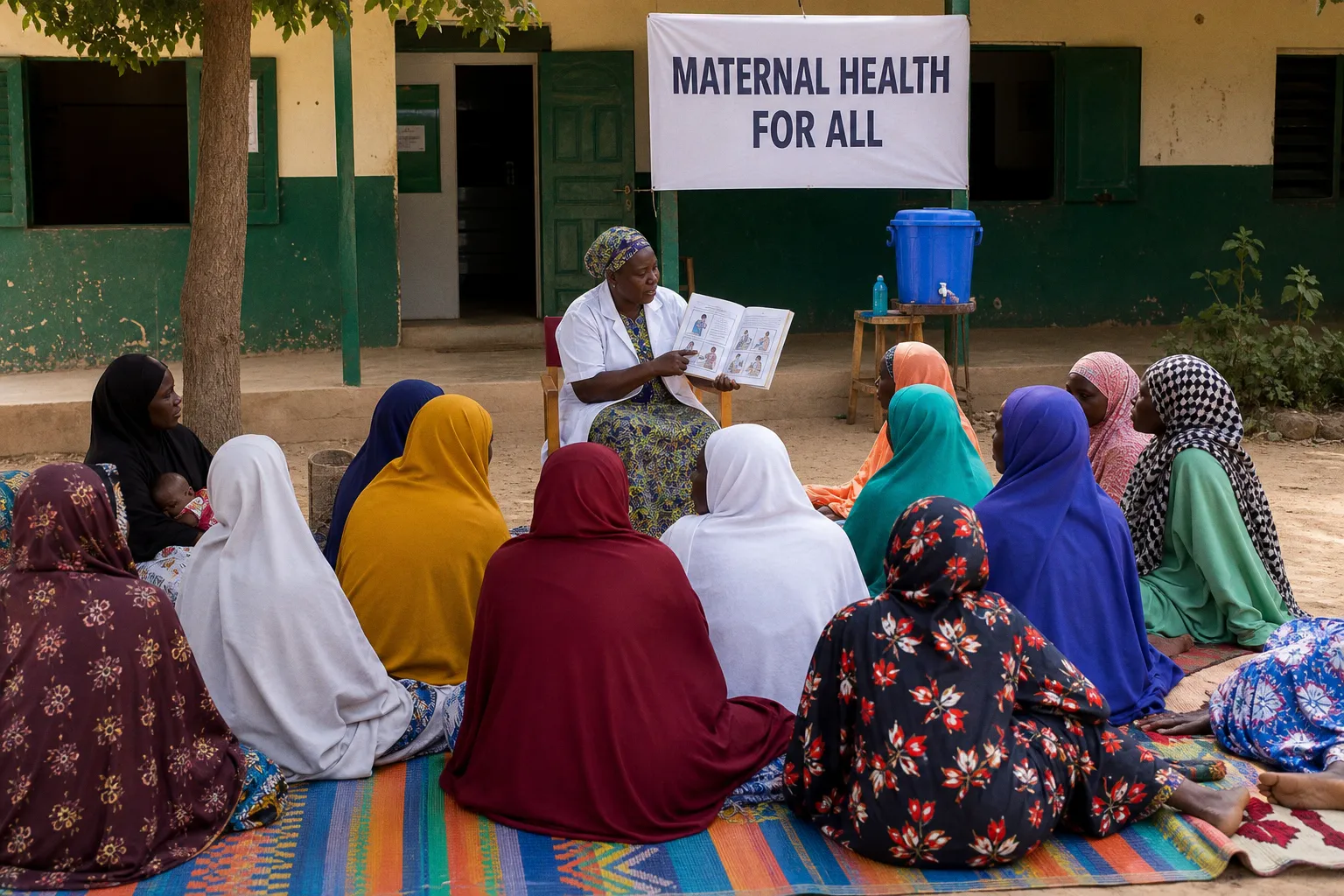
Kaduna Launches TBA Policy, Nutrition Strategy to Improve Maternal and Child Health
AIT LIVE reported this week that the Kaduna State Government in Nigeria has launched a formal policy and guidelines for Traditional Birth Attendants, alongside a Social and Behaviour Change strategy for Nutrition Across Life Cycles. From my years walking through labour rooms and community anganwadis, I read this kind of news the way any experienced midwife does — first with relief that someone is finally naming the gap, then with the practical question of what it will look like for the woman at the village end of the referral chain.
What the new framework actually puts on the table
Kaduna's Commissioner for Health, Dr Umma Ahmed, described the policy as a route to safer pregnancy and childbirth through earlier recognition of danger signs, timelier referral, and a measurable shift toward skilled health services. The framing is deliberate: the policy is meant to regulate and engage TBAs while strengthening the referral and linkage pathways between them and the formal health system — not to replace them, not to criminalise them, but to knit the two sides together where they have rarely been connected before.
UNICEF's Kaduna Chief of Field Office, Dr Garida Birukila, used the same platform to press the harder, more humbling point. She called for stronger community engagement on exclusive breastfeeding, immunisation, and everyday nutrition, and asked TBAs directly to recognise their own limits and refer without delay when complications arise. Read together, the two interventions are not two announcements — they are one bet: that community trust and clinical skill can be linked rather than set in opposition.
In day-to-day practice, that looks like the things any experienced midwife will recognise immediately — written referral pathways with named receiving facilities, clearly defined roles for what TBAs should and should not manage, and accountability loops so that a referred woman does not simply vanish into the system after the call is made.
Why this matters here, even though it began there
For colleagues working across districts where the dai is still the first call rather than the last resort, Kaduna's model offers something rare: a policy-shaped answer to a problem we usually handle through personal relationships and quiet improvisation. The Nigerian framework explicitly recognises TBAs as a community workforce whose role, with regulation and training, can shorten the delays that decide whether a postpartum haemorrhage or an obstructed labour ends in survival. It also folds nutrition across the life course into the same conversation — a quiet reminder that maternal, newborn, child, and adolescent outcomes rise and fall together, and that good counselling does not stop at the postnatal visit.
What is worth tracking now is not the launch itself but the slow work after it. Will the referral pathways hold when a complication presents at midnight, in a vehicle that may or may not exist? Will TBAs be respected — and where appropriate, remunerated — enough to keep making the referrals once the press conference cameras are gone? Will the nutrition strategy reach the same marginalised women the TBA policy is trying to protect? Those are the indicators that will tell us whether Kaduna has built a bridge or merely a signpost.