How India’s Community Health Networks Are Driving a Historic Decline in Child Mortality
The broader story of accelerating child survival has since been picked up across outlets including DD News and Whalesbook.
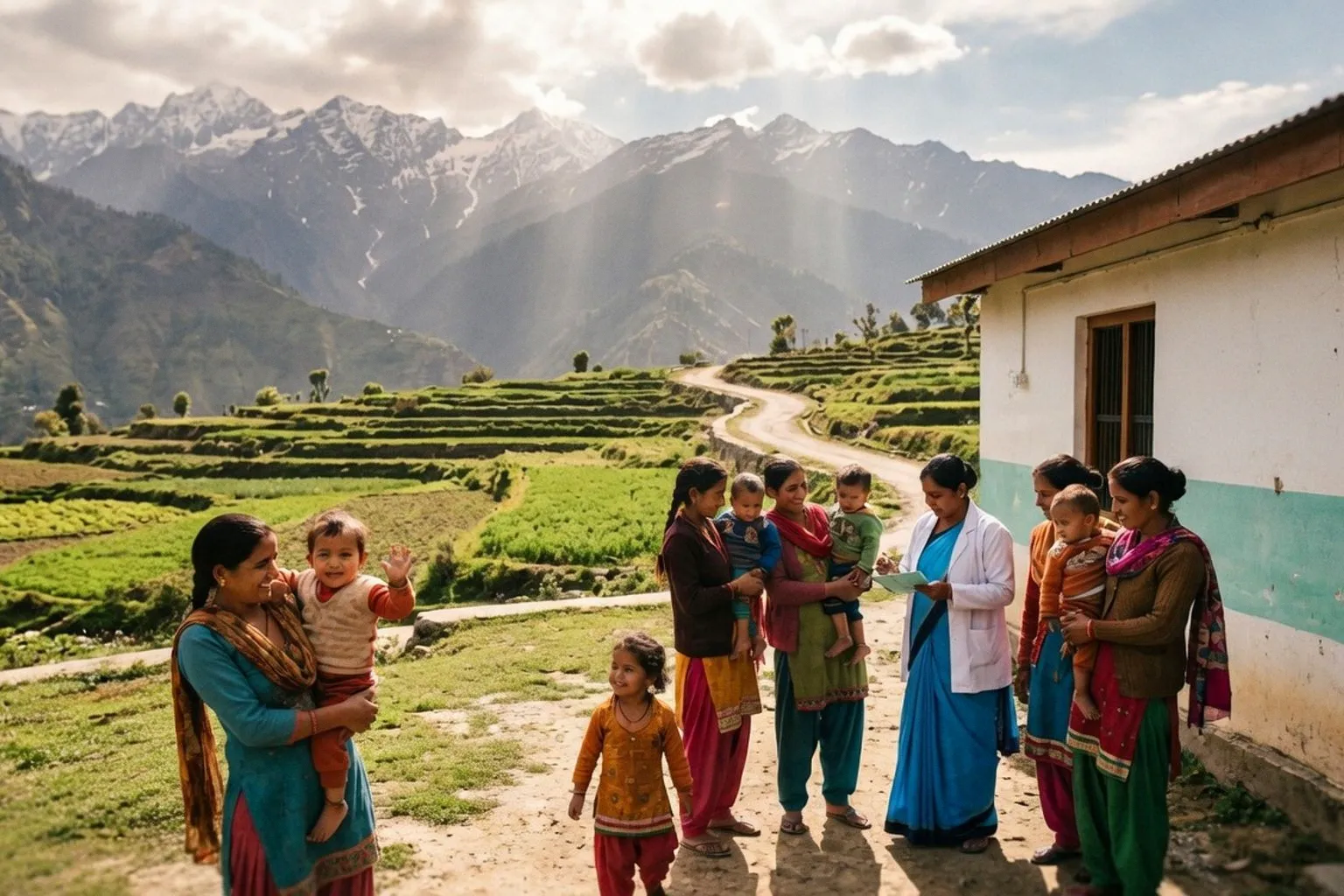
As reported by The New Indian Express, WHO Director-General Dr. Tedros Adhanom Ghebreyesus met Union Health Minister J.P. Nadda and commended India's substantial health gains — specifically the expansion of ASHA networks, a climb in institutional delivery rates from 78% to 93%, and sustained declines in maternal and child mortality. For those of us working on the ground, this is not a headline to skim past; it is a quiet vindication of what community-level care pathways can achieve when they are properly resourced. The broader story of accelerating child survival has since been picked up across outlets including DD News and Whalesbook.
What a fifteen-point jump actually changes
In my own years moving between district hospitals and sub-centres, I have watched the institutional delivery rate rise — and I have felt what it changes. When a woman walks into a delivery ward rather than labouring at home without a skilled attendant, the calculus of risk shifts immediately. Postpartum haemorrhage can be managed. Neonatal resuscitation can begin within seconds. A trained hand can recognise hypertensive complications before they spiral into eclampsia.
A jump of fifteen percentage points is not just a statistic; it translates into tens of thousands of birth plans redrawn every month. The next clinical question is whether the facilities absorbing those deliveries are equally equipped — with functional blood banks, anaesthetic cover, newborn stabilisation units, and the respectful maternity care protocols that make women want to return for their next pregnancy.
ASHAs as the connective tissue
The WHO recognition pointed specifically to the expansion of ASHA networks, and this is where I want to pause for my fellow practitioners. ASHAs are the bridge between a pregnant woman in a remote hamlet and the formal health system. Their numbers are growing, but so is the complexity of what we ask of them: antenatal counselling, immunisation tracking, identification of high-risk pregnancies, postnatal home visits, and increasingly, mental health screening.
When ministries and global bodies commend ASHA expansion, it often signals more recruitment and more training budgets — and that is welcome. What matters at the bedside is whether those new workers receive supervision, mentorship, and the kind of continuing education that prevents burnout. A larger network without adequate support is a network that frays quietly.
What to watch from here
The sustained decline in mortality is encouraging, but the next phase of work is granular. Equity gaps between districts remain stubborn — urban centres and aspirational districts post numbers that belie what still happens in tribal belts and informal urban settlements. Continued progress will depend on whether institutional delivery gains hold, whether quality keeps pace with coverage, and whether frontline workers are treated as the professionals they have become.
For clinicians reading this, the practical takeaway is simple: the infrastructure around us is changing, and our care pathways should change with it. Refer early, document clearly, and treat every ASHA as a clinical colleague. That is how a national headline becomes a safer birth for the woman on the next stretcher in.