How India’s Maternal Health Programs Are Driving Significant Mortality Reductions
When I first started working in community clinics, the biggest fear in any pregnancy wasn't the birth itself — it was the silent gap between a complication appearing and reaching someone who could act.
According to the World Health Organization, India has made meaningful progress in narrowing that gap, with reductions in maternal mortality credited in part to programmes like the Pradhan Mantri Surakshit Matritva Abhiyaan (PMSMA).
Why WHO's acknowledgement matters
For those of us working in reproductive and child health, an international endorsement like this carries practical weight. When WHO names a national programme as impactful — as it has done with PMSMA — it reinforces the case for sustained funding, continued training of frontline providers, and the integration of specialist antenatal services into routine care. The signal reaches state health missions, district medical officers and programme managers alike. In a system where priorities can shift with each planning cycle, that kind of external validation helps protect what already works.
The infrastructure push behind the numbers
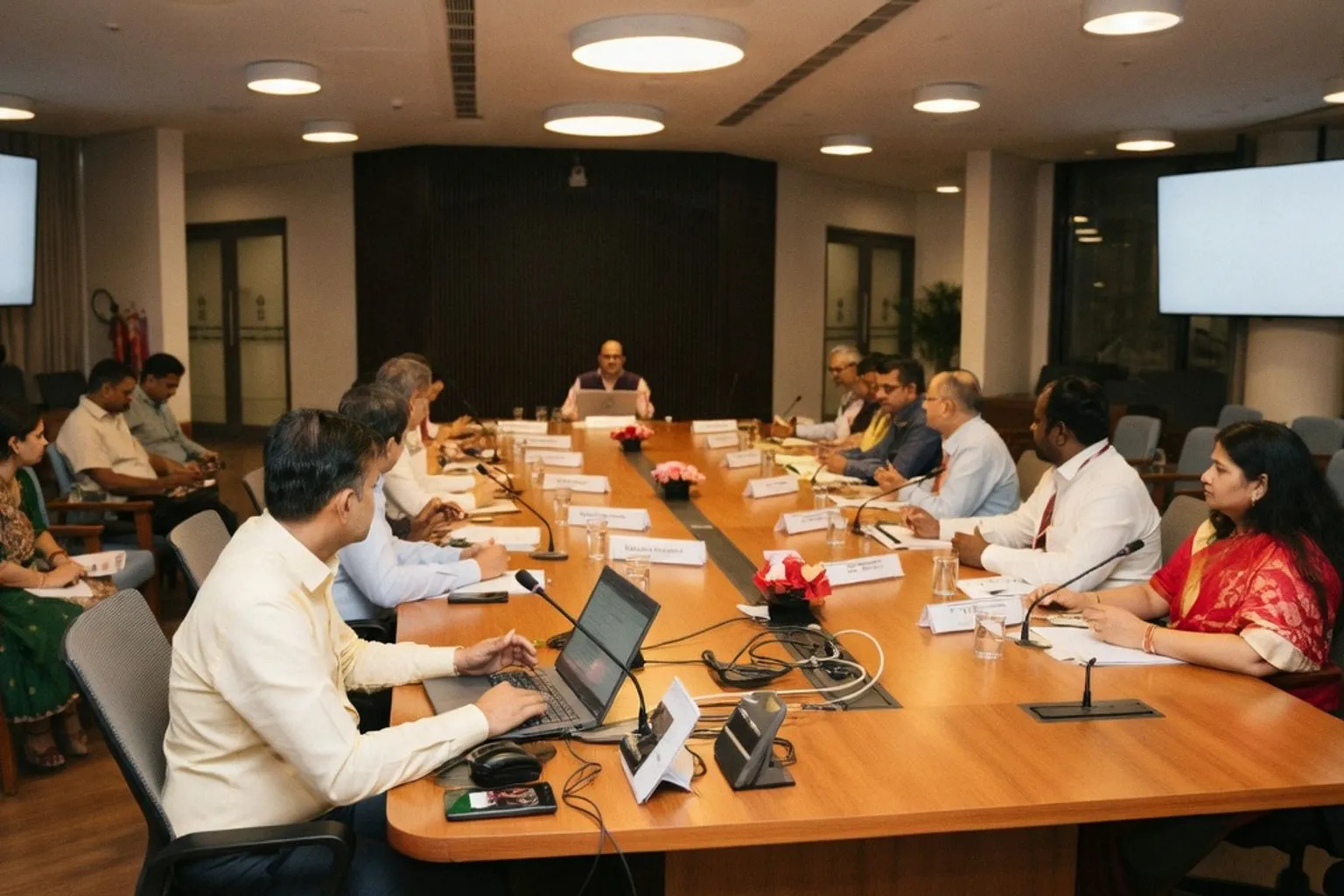
The WHO acknowledgement arrives alongside a significant structural review of India's health system. In a recent assessment of Union Budget 2026-27 initiatives, Union Health Minister Jagat Prakash Nadda examined plans to expand emergency and trauma care capacity in District Hospitals by 50 per cent. A gap analysis against Indian Public Health Standards has been completed across 613 District Hospitals; of these, 160 are slated for strengthening under Phase I by March 2027, with another 203 in Phase II and the remaining 250 in Phase III. Three expert committees have been constituted to examine infrastructure and diagnostics, human resources and skilling, and digital architecture and pre-hospital integration.
Alongside this, the National Emergency Life Support (NELS) training programme is being rolled out to build emergency-care competencies among healthcare professionals and frontline personnel — directly relevant to how life-threatening maternal conditions are managed in those critical first hours. The Ministry has also outlined a target of adding 1 lakh Allied Health Professionals across 10 disciplines over the next five years, with consultations underway on funding models including Public-Private Partnerships.
What to watch from the clinic floor
For practitioners like me, the question is always the same: does the policy reach the woman in front of us? Three things are worth tracking in the coming months — whether the 160 Phase I district hospitals actually operationalise their upgraded emergency and trauma centres on schedule by March 2027, how NELS training is cascaded to nurses and midwives working in labour rooms (not just physicians), and whether AHP recruitment targets are matched by postings in high-burden maternal care blocks. WHO has named what's working; now comes the harder work of making sure the system behind it holds.