Strengthening Maternal Care Through Strategic Midwifery Integration
A new report from the Milbank Memorial Fund puts numbers to what many of us have felt at the bedside for years: the United States is running out of maternity providers, and the gap is widest where mothers need them most.
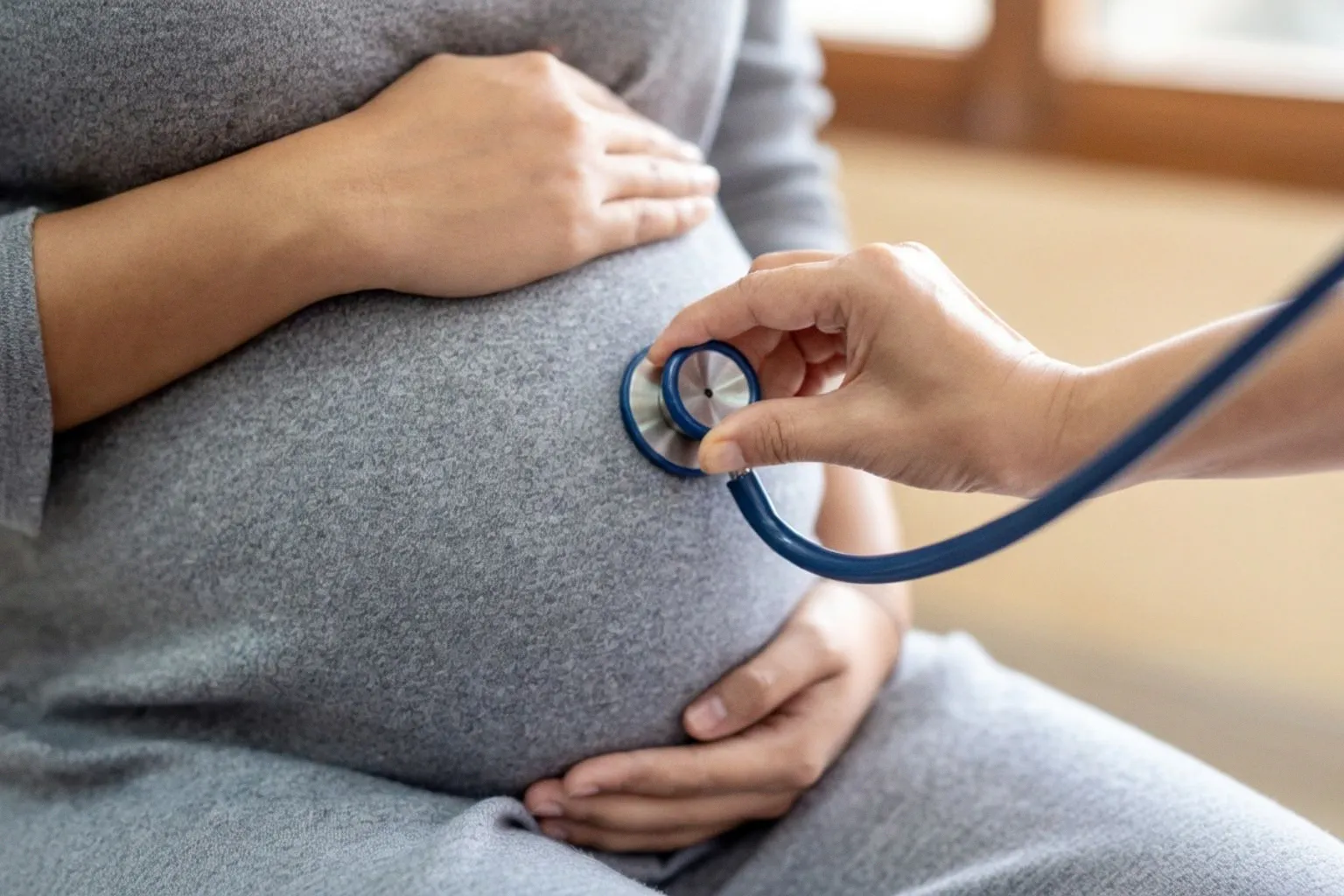
More than 2.3 million US women of reproductive age live in so-called maternity care deserts — counties without a single hospital offering obstetric care and without an OB-GYN or certified nurse-midwife. The Association of American Medical Colleges projects a shortfall of up to 86,000 physicians by 2036, with primary care and obstetrics among the hardest-hit specialties. Nearly half of rural US counties have no obstetric provider at all.
The story is US-centered, but the underlying pattern — a thin pipeline of trained providers, expanding deserts, and a maternal mortality rate that far exceeds peer nations — is one Indian practitioners will recognise in spirit, even where the geography and the workforce mix look different on paper.
Why midwifery keeps coming up in workforce policy
The report frames midwives not as a substitute for obstetricians but as an under-deployed workforce at the centre of the solution. The current US ratio is roughly four midwives per 1,000 live births; in most other high-income countries, that figure sits between 30 and 70 per 1,000 births. Three credentialled pathways exist today — certified nurse-midwife, certified midwife, and certified professional midwife — with distinct training routes, scopes of practice, and practice settings. Each, the report notes, offers relationship-based care and is trained to identify complications and trigger timely transfer or consultation.
The evidence base is substantial and growing. A landmark Cochrane review found that midwife-led continuity-of-care models are linked to reduced preterm birth, fewer episiotomies, fewer regional anesthesia interventions, and higher rates of spontaneous vaginal birth, with no increase in maternal or neonatal adverse outcomes. On cost, midwifery care delivers value through lower surgical delivery rates, fewer elective inductions, and shorter hospital stays. Medicaid, which finances nearly half of all US births, stands to benefit substantially from broader integration.
The report is also unflinching about equity. Black women in the US die of pregnancy-related causes at more than twice the rate of White women, a disparity that persists across income and education levels. Expanding access to midwifery — particularly to culturally concordant clinicians — is presented as an evidence-based strategy for narrowing that gap.
What readiness looks like when there is no OB down the road
In Indiana, the question is being answered from a different angle. The Indiana University School of Medicine is working with the state Department of Health on a five-year, $30 million initiative to help rural emergency departments assess and stabilize obstetric and pediatric patients, then discharge or transfer them to a higher level of care. Indiana was awarded over $200 million by the federal Rural Health Transformation Program for the first year of the five-year program. Erin Cleary, an assistant professor of obstetrics and gynecology at IU, told Indiana Public Media that about 56 rural hospitals in the state are eligible.
Of those 56, just one currently holds pediatric emergency readiness certification. The reasons, Cleary explained, are rarely about willingness. Hospitals struggle to fund a pediatric emergency care coordinator and the basic kit that role requires — age-appropriate blood pressure cuffs, pediatric intubation equipment, weight-based dosing tools, and protocols for family-centered care. For obstetric emergencies specifically, there is no equivalent universal assessment tool. Cleary described the most basic starting point: screen every patient who walks into the emergency room for current or recent pregnancy. "If we don't ask about whether somebody could be pregnant or had a baby in the last year," she said, "we'll miss 100% of the diagnoses and medical problems that only happen to pregnant and postpartum people."
What to carry into our own practice
Two threads tie these stories together, and both translate well beyond US borders. The first is workforce: a policy environment that finances, regulates, and integrates midwives at the volume a country actually needs is not a luxury — it is infrastructure for safer births. The second is readiness: where a specialist is hours away, the smallest district facility becomes the first and sometimes only line of defense.
For practitioners in low-resource and rural settings, the practical checklist is short. Ask every woman of reproductive age presenting to the emergency room whether she could be pregnant or has given birth in the past year. Know which basic equipment items are missing for neonatal and pediatric use. Identify one person on every shift who owns pediatric and obstetric readiness, even informally. And where scope-of-practice rules allow, bring midwives into the care team in a way that is recognised, paid, and supported.
The workforce shortage will not close itself. Neither will the readiness gap. Both need policy, funding, and clinical leadership acting in the same room.