New WHO Data Hub Aims to Transform Maternal and Child Health Surveillance in Africa
to the WHO Regional Office for Africa, the World Health Organization has launched the Africa Regional Health Data Hub — a new platform aimed at sharpening health decision-making across the continent…
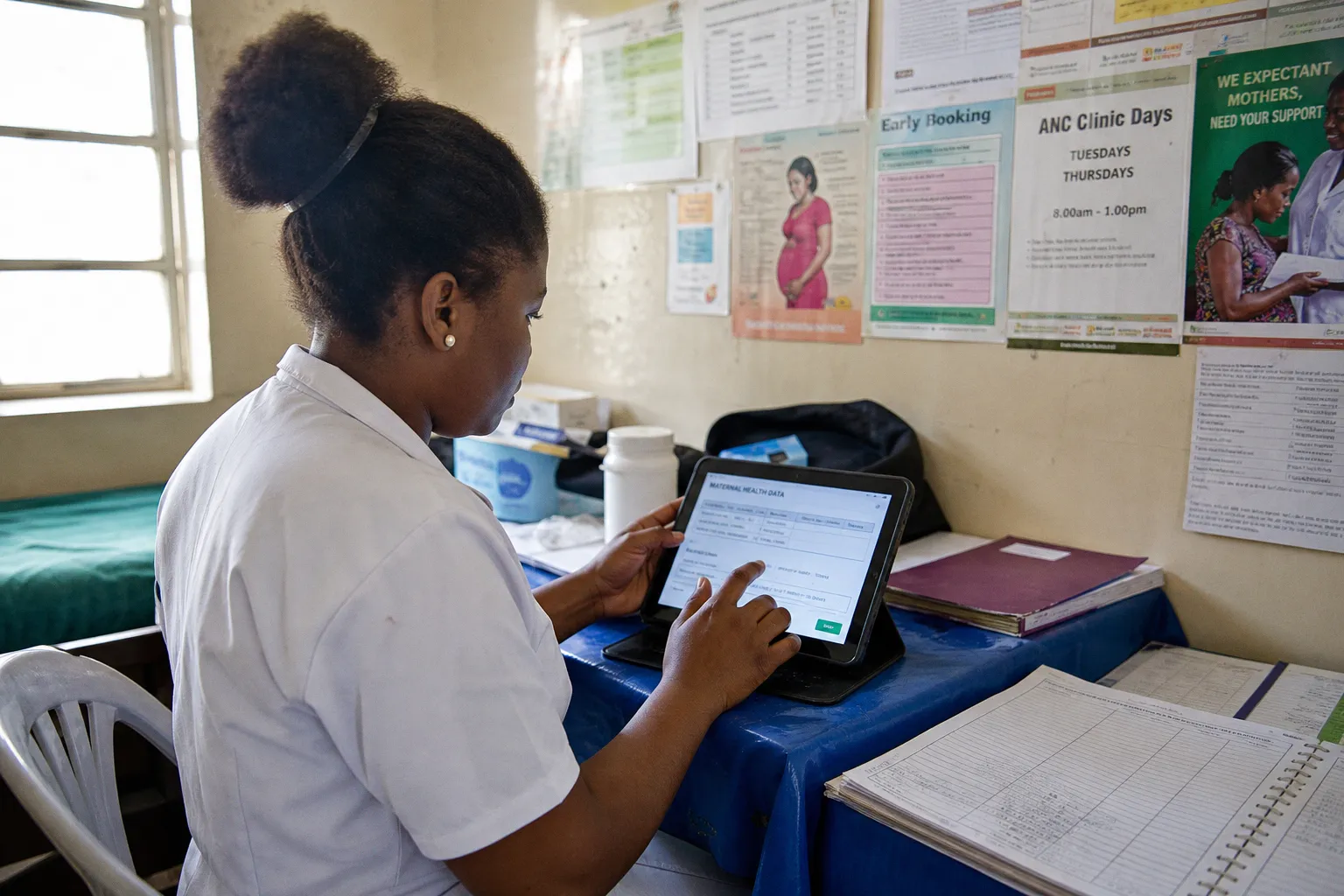
to the WHO Regional Office for Africa, the World Health Organization has launched the Africa Regional Health Data Hub — a new platform aimed at sharpening health decision-making across the continent, with dedicated capacity to track maternal and child health services. For those of us working in reproductive and child health, the announcement matters less as a headline and more as a signal: fragmented, lagging surveillance data is finally being challenged at a continental scale.
Why a regional data hub matters to frontline RCH practice
In the clinics and community programmes I have worked in, I have watched what happens when planning relies on numbers that are already a year old. A district officer working from a stale antenatal coverage figure can quietly miss a real drop in institutional deliveries — until a maternal death review surfaces the gap months too late. WHO's regional office describes the new hub as a tool to strengthen health systems and data-driven planning, pulling maternal and child health indicators into a single accessible platform rather than scattering them across siloed dashboards.
The practical promise is straightforward: faster turnaround on the indicators frontline teams actually use — antenatal care coverage, skilled birth attendance, child immunisation, family planning uptake. For programme managers and field workers, that translates into fewer blind spots and a shorter gap between spotting a problem and responding to it.
A concrete example of integration working
The hub is not arriving in an empty landscape. Reporting from the William H. Gates Sr. Institute for Population and Reproductive Health describes how partners in Akwa Ibom State, Nigeria, worked alongside local government leaders to integrate family planning services into a state-funded Maternal, Newborn, and Child Health Week. According to that account, the effort reached over 10,000 clients and added 7,358 new family planning users at no additional cost to the system.
It is a small, specific case study of what becomes possible when service delivery and reliable data sit on the same shelf — exactly the kind of integration a regional hub is designed to support and scale.
What this means for India's RCH landscape
For practitioners and programme leads here, the Africa hub is partly a precedent and partly a mirror. If the platform delivers on its promise, it offers a comparable reference point for India's own District Level Household Survey infrastructure, and a chance to compare maternal and child health trajectories across settings that share similar resource constraints. The question worth following is simple: how quickly does the data become granular enough to shape a sub-centre nurse's monthly plan, rather than only a ministry's annual review?