India Shifts Toward Nutrition-First Preventive Healthcare Strategies
According to BW Healthcare World, the country is placing nutrition at the heart of its public health framework.
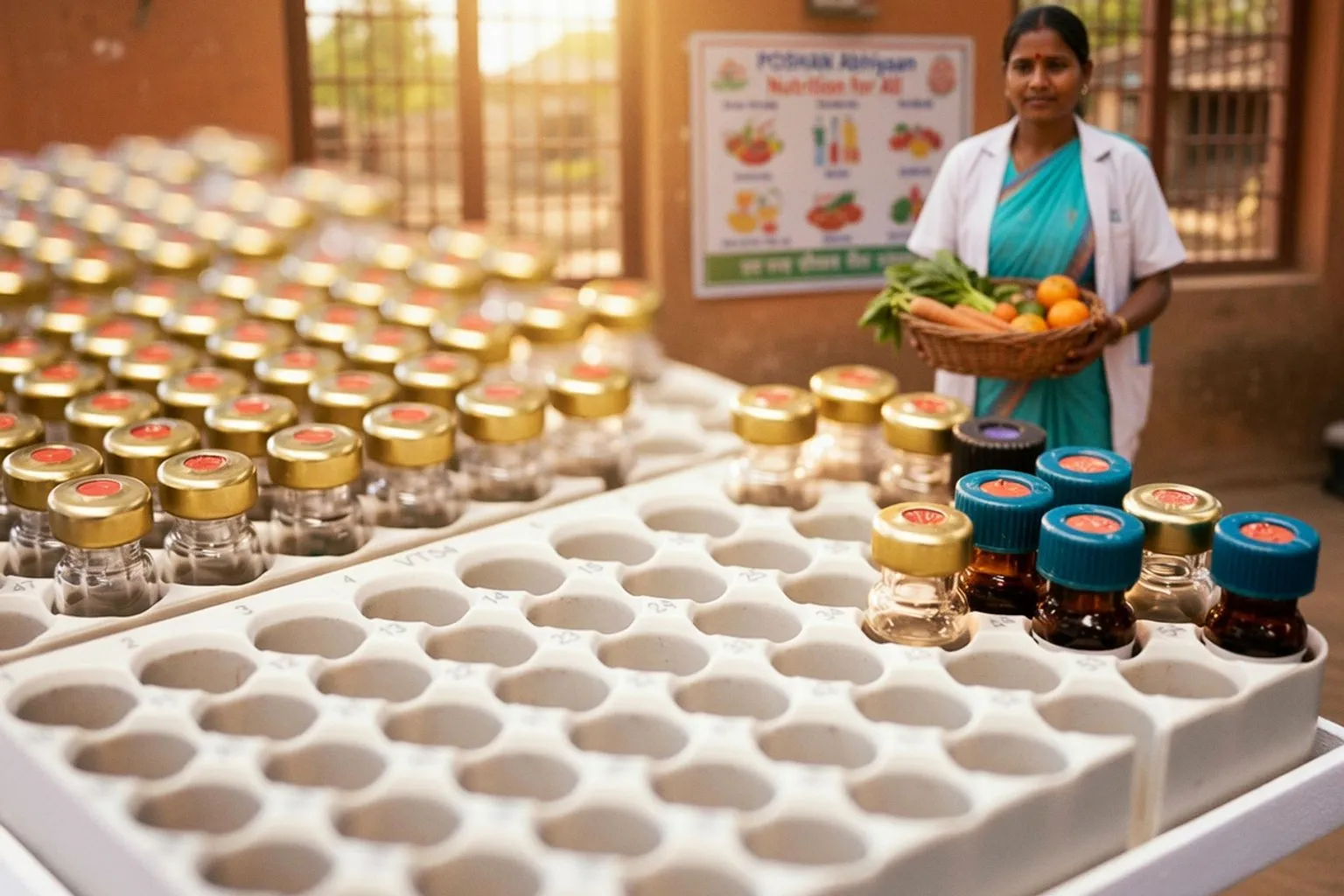
Why Nutrition and Vaccine Access Both Matter at the Bedside
Reportedly, food is taking centre stage in India's preventive healthcare strategy — a shift that, for those of us who have watched nutritional deficiency quietly erode pregnancy outcomes across community clinics, feels both overdue and urgent. According to BW Healthcare World, the country is placing nutrition at the heart of its public health framework. The full details of this policy pivot remain limited in what has been shared so far, but the direction is unmistakable: prevention, not just treatment, is where the system is trying to move.
For practitioners working in maternal and child health, this resonates deeply. We have long understood that what a mother eats — and whether she can access adequate nutrition — shapes everything from birth weight to postpartum recovery. Any national signal that elevates food as a healthcare priority, rather than leaving it in a silo separate from clinical care, is worth watching closely.
A Vaccine Breakthrough That Quietly Changes the Math
While India's preventive healthcare conversation broadens, a parallel development from the global immunisation world deserves attention. The World Health Organization has now prequalified a multi-dose vial formulation of the maternal RSV vaccine, RSVpreF — a move that Gavi, the Vaccine Alliance, describes as making maternal immunisation significantly more viable for low- and middle-income countries.
Why does the packaging matter so much? On the ground, single-dose vials are tidy and convenient in well-resourced settings, but they create real bottlenecks where cold-chain storage is tight and medical waste disposal is strained. Putting multiple doses into one vial means less refrigeration space, less packaging, and — crucially — a lower price per dose. For clinics in rural and semi-urban India, where every square inch of fridge space and every rupee in the immunisation budget is spoken for, this is not a minor logistical tweak. It is a structural shift in what is deliverable.
RSV remains a formidable threat to newborns. It causes an estimated 33 million lower respiratory tract infections in children under five each year, with babies in their first months of life most vulnerable. Around 97 per cent of RSV-related deaths occur in lower- and middle-income countries, and many infants die at home before ever reaching a medical facility. The maternal vaccine is designed to be given during late pregnancy so that protective antibodies transfer to the baby before birth — a care pathway that fits naturally into antenatal visits many women are already attending.
What This Means for Clinics and Families
Taken together, these two threads — a national reorientation toward preventive nutrition and a global vaccine access breakthrough — point in the same direction: the systems around pregnancy and early childhood are slowly shifting upstream. Instead of only responding when a baby is sick, the emphasis is moving toward giving mothers and infants the conditions to stay well in the first place.
For practitioners, the practical takeaways are concrete. On nutrition, it means keeping an ear to the ground for any updated guidance or programme rollouts linked to India's preventive healthcare push — and continuing to integrate dietary counselling into every antenatal contact, regardless of what national policy looks like on paper. On immunisation, the WHO prequalification of the multi-dose RSV vaccine means UNICEF procurement becomes possible, which in turn means Gavi-supported countries can begin planning for maternal RSV vaccination programmes. Clinics that already manage multi-dose vials for other vaccines will find the handling protocols familiar; for those that do not, this is a moment to build capacity.
One thing we must guard against is treating nutrition and immunisation as competing priorities. A mother who receives the RSV vaccine in her third trimester but lacks access to adequate food throughout her pregnancy is only half-served. India's preventive healthcare architecture will need to hold both threads — food and vaccines — in a single, patient-centred framework if it is going to move the needle on maternal and child outcomes in a meaningful way.
The evidence is still unfolding, and the full scope of India's food-in-healthcare strategy remains to be seen. But the direction is right, and the tools — including newly accessible vaccines — are arriving at the same time. For those of us in the clinic, that convergence is something worth being cautiously optimistic about.