Kerala University of Health Sciences Launches Four New Public Health Initiatives
Kerala University of Health Sciences is set to roll out four new projects this Friday, according to a report by The Hindu.
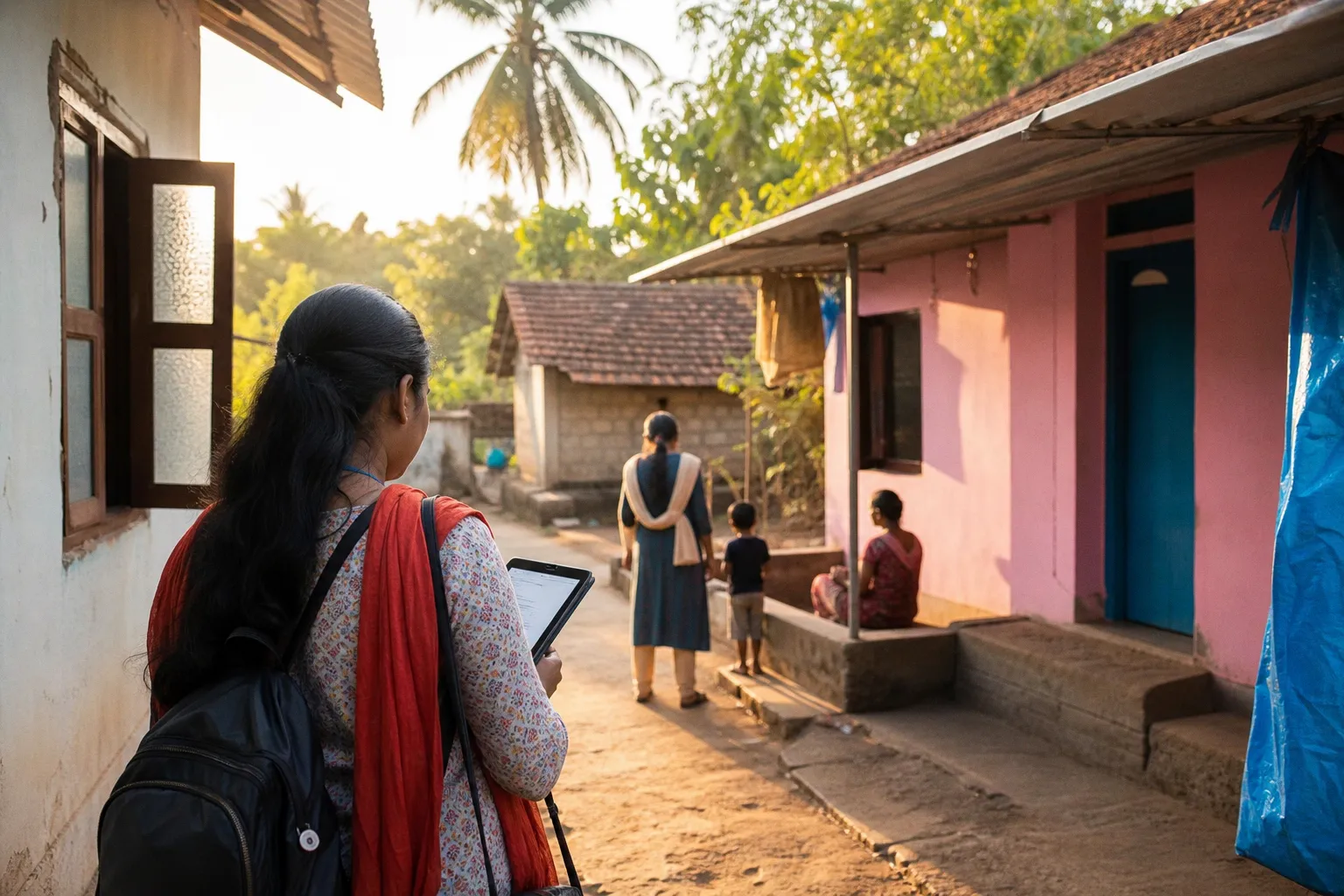
For anyone tracking the actual machinery of maternal and child health delivery in India's southern states, the announcement matters less for the ceremony and more for what gets bolted onto a system that is already straining at the seams.
What we know, and what we don't
The confirmed fact is thin: a state-level health university is launching four projects on a single day. The Hindu flagged the event in its July 29 coverage. No project names, budgets, timelines, or target districts have surfaced in available reporting. That is the first logistical flag — a four-project launch without published scope is a procurement signal, not yet a service delivery one.
For RCH program managers and district health officers watching from neighboring states, the pattern is familiar. Universities announce clusters of initiatives around calendar milestones, then the operational details drip out over weeks. The risk is always the same: parallel project structures that compete for the same frontline nurses, ASHA supervisors, and cold-chain capacity that already run above safe thresholds.
Why Kerala is still worth studying
Kerala's health indicators sit at the top of India's stack — lowest MMR, lowest IMR among large states — precisely because the system invests in upstream structural fixes rather than downstream rescue. When KUHS moves, it usually means curricular reform, new clinical training pipelines, or public health research nodes that eventually feed back into district hospitals and medical colleges.
If even one of these four projects touches mid-level obstetric workforce training, paediatric emergency protocols, or reproductive health counselling certification, the downstream effect on RCH service quality is real. But until the project list is public, it is just intent on a stage.
What to track this week
For clinicians, programme officers, and state-level logistics planners, here is the practical checklist:
- The official KUHS announcement: get the exact four project titles, lead departments, and implementation partners before reading anything into the launch.
- Budget lines: whether projects are funded through state health budget, NHM flexi-pool, or external grants determines how quickly they reach district-level facilities.
- Workforce impact: any new training pipeline needs to be cross-checked against existing staff shortages in maternal and child health wings — adding training without reducing clinical load is a burnout trap.
- Geographic scope: Kerala-only or multi-state? If modules are designed for replication, neighbouring states with weaker RCH indicators should be watching closely.
- Reporting cadence: how soon KUHS publishes progress markers will tell you whether this is a functioning programme or a ribbon-cutting exercise.
A Friday launch is a date on a calendar. The infrastructure question — what gets built, who staffs it, and which districts feel the change first — is what actually matters for the women and children the system is supposed to serve.