Mandara Women’s Wellness: Evaluating India’s First AI-Driven Retreat Model
According to Hospitality Net, the project is called Mandara Women's Wellness, and it positions itself at the intersection of technology and holistic care — a space I have watched develop mostly…
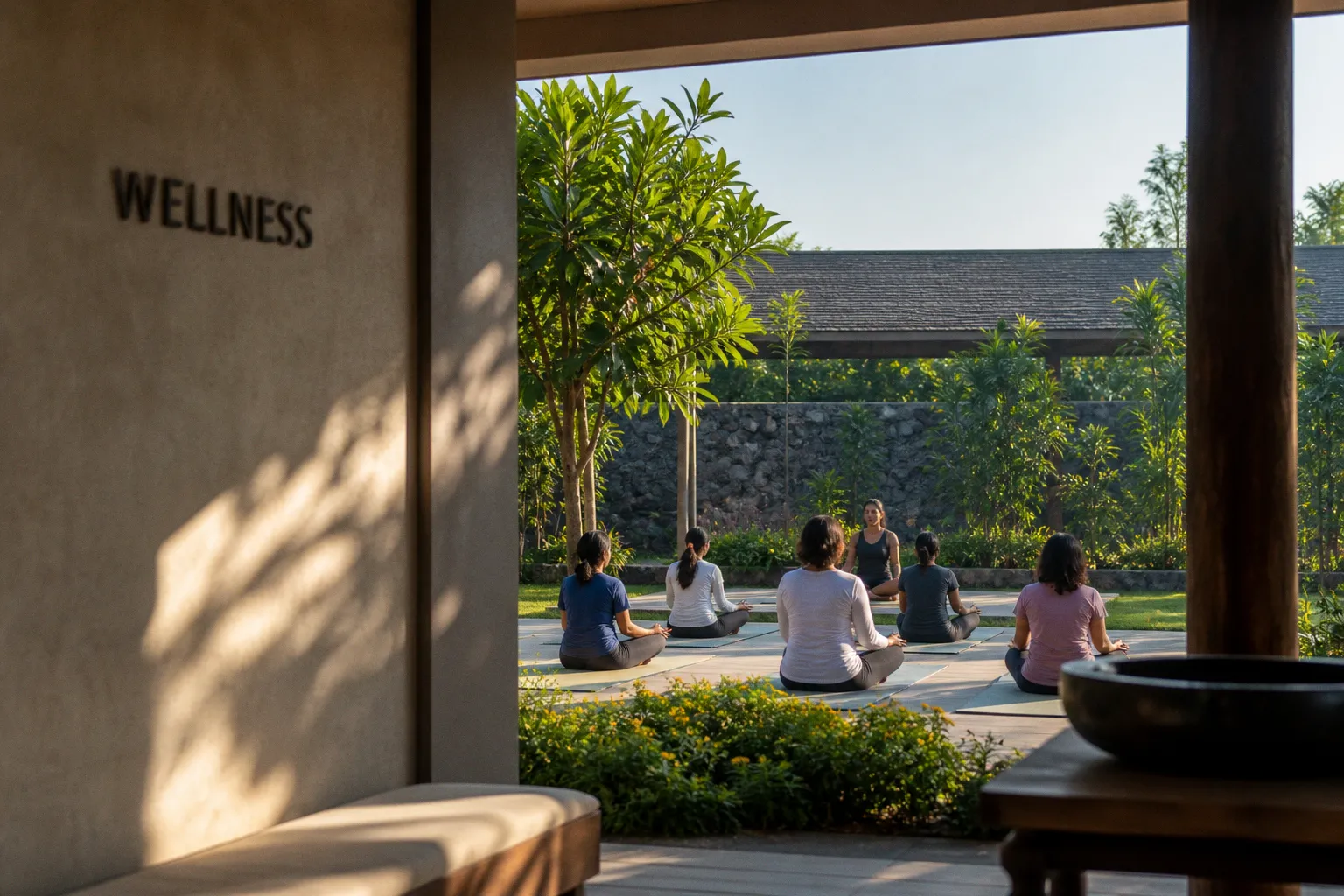
A new wellness concept for women has reportedly launched in India, billed as the country's first AI-integrated retreat designed exclusively for women. According to Hospitality Net, the project is called Mandara Women's Wellness, and it positions itself at the intersection of technology and holistic care — a space I have watched develop mostly through telehealth apps and chatbot symptom checkers rather than in-person retreats. For an audience rooted in maternal and reproductive health, the question is not whether the launch is exciting, but whether it actually meets women where they are.
Why an AI-integrated retreat matters now
On the ground in my work, I see how often women arrive at a clinic carrying the weight of questions they have already asked Google, a WhatsApp group, or a friend who once had a similar symptom. Hospitality Net describes Mandara as the first of its kind in India, which makes the headline claim worth examining closely. First claims need verification, and women deserve to know whether what is being marketed as innovation actually delivers something genuinely new under the hood, or whether it is largely a wrapper around familiar spa programming with a technology label attached.
The broader landscape helps frame why this matters. Wellness coverage aimed at women has been quietly expanding across outlets — Power Retail recently carried a feature titled How Harper Wellness is Rethinking Support for Women, and broader pieces on wellness trends for women have surfaced in mainstream spaces like ClickOnDetroit. That is a signal of growing consumer appetite, but appetite is not the same as evidence, and it is certainly not the same as clinical appropriateness.
What practitioners and patients should watch for
For those of us who sit across from women in clinics and community centres, the real question is not whether AI has entered the wellness space — it has, and it will keep doing so — but how the underlying data is handled, who reviews the AI's recommendations, and where the referral pathway leads when something concerning surfaces. Without published detail on the protocols behind Mandara's AI layer, I would urge any patient considering the retreat to ask the same questions they would ask any new provider: what does the AI actually assess, what are the limits of its advice, and is there a qualified clinician involved when a concern tips outside routine wellness into genuine reproductive or maternal health territory.
There is also the question of access. A retreat, by its nature, reaches women who can afford to step away from work, childcare, and household labour — which in India remains a narrow slice of the population. Innovation that does not eventually translate into primary care, ASHA worker training, or district-level screening will stay a luxury intervention rather than a public health contribution. A wellness retreat can be a beautiful space for rest and recalibration, but it should sit alongside, not in place of, the continuity of care that reproductive and maternal health genuinely requires.