Childbirth Amid Conflict: The Critical Fragility of Reproductive Healthcare in Sudan
Giving birth should never be a battlefield. But as a UN humanitarian official recently highlighted, pregnant women in Sudan's conflict zones are navigating harrowing conditions where basic…
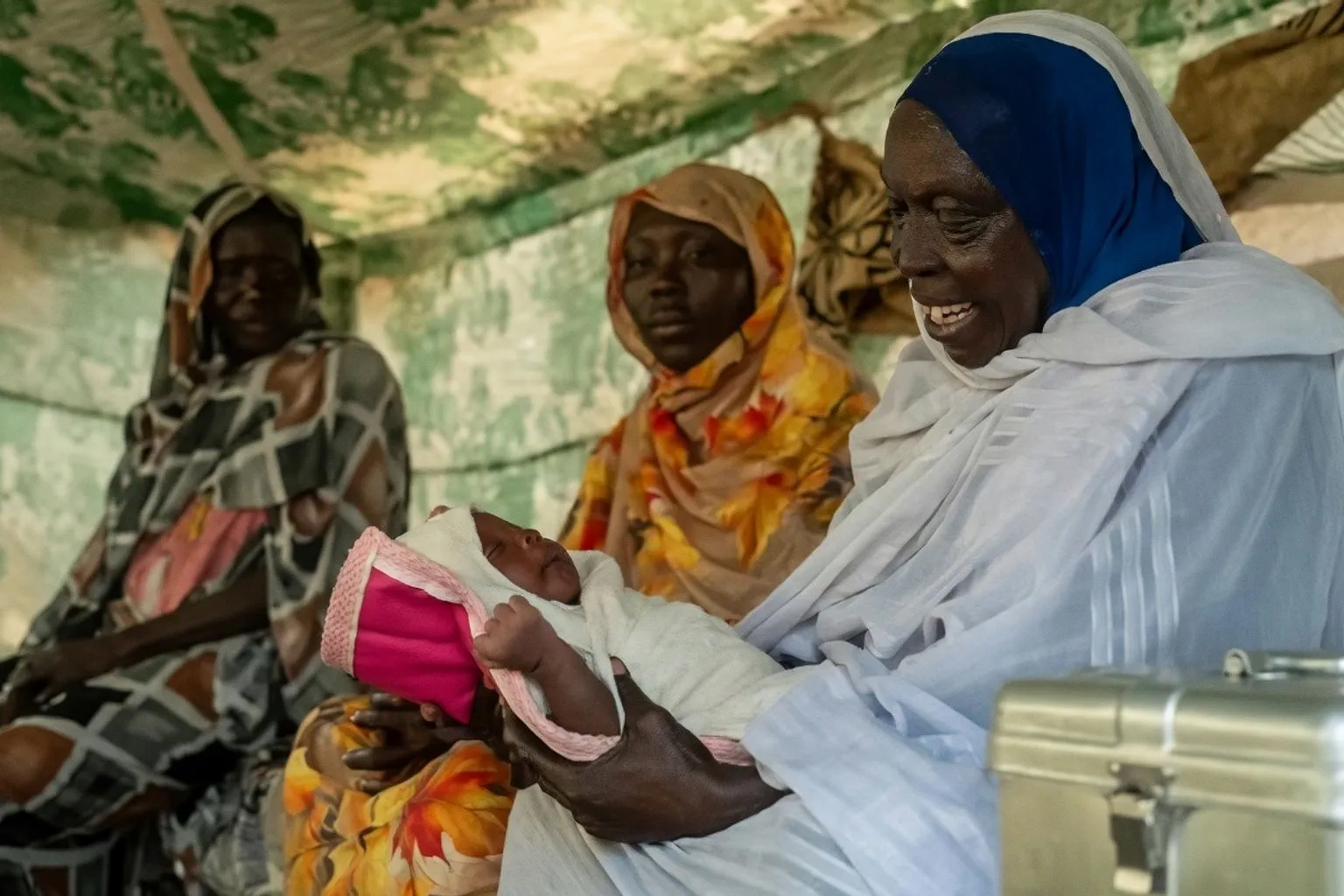
Giving birth should never be a battlefield. But as a UN humanitarian official recently highlighted, pregnant women in Sudan's conflict zones are navigating harrowing conditions where basic reproductive healthcare is nearly impossible to reach — a sobering reminder that even now, the geography of childbirth can determine whether a mother and her baby survive the day.
What the situation looks like on the ground
According to the UN briefing, the official drew attention to the urgent need to bring reproductive healthcare closer to vulnerable populations trapped by Sudan's ongoing conflict. For frontline clinicians, the details are painfully familiar from our reading of other crisis settings: women going without antenatal visits, deliveries without skilled birth attendants, and the silent cascade of preventable maternal deaths that follows when health systems collapse under pressure.
Why this matters for India
We may not be in an active war zone, but the parallels run deeper than we sometimes admit. Across the Asia Pacific region, the data tells a similar story of access gaps. More than 140 million women remain without access to family planning services, and over half of the region's annual pregnancies are unintended — figures cited by the UNFPA and reported in coverage of reproductive health across APAC.
Here at home, many of the families I walk alongside through community clinics live in that same grey zone — not under shelling, but far enough from a functional facility that a routine delivery can turn complicated without warning. The lesson from Sudan is not really about geography. It is about what happens when reproductive health is treated as a secondary concern rather than the lifeline it actually is.
What we should be watching
Two threads are worth following closely. First, the continued UN advocacy for bringing care closer to women in conflict settings, which often reshapes how humanitarian organisations deploy midwives, supplies, and referral pathways. Second, broader APAC conversations around cross-sector partnerships aimed at closing the family planning gap — including initiatives from groups like Organon and FP2030 working to expand voluntary, rights-based services across the region.
For practitioners, the takeaway is straightforward: the most powerful intervention is the one that reaches the woman where she is. Whether that means a mobile antenatal camp in a remote district, a community health worker trained to recognise early danger signs, or simply a clinic that stays open when others shut their doors — proximity saves lives. Sudan reminds us of that, even from a thousand miles away.