ICICI Prudential’s New Women-Centric Term Plan: A Critical Look at Coverage and Perks
ICICI Prudential Life Insurance has rolled out a term insurance plan built specifically for women — ICICI Pru iProtect Smart Her — with features designed around pregnancy, parenthood, and the long arc of women's healthcare needs.
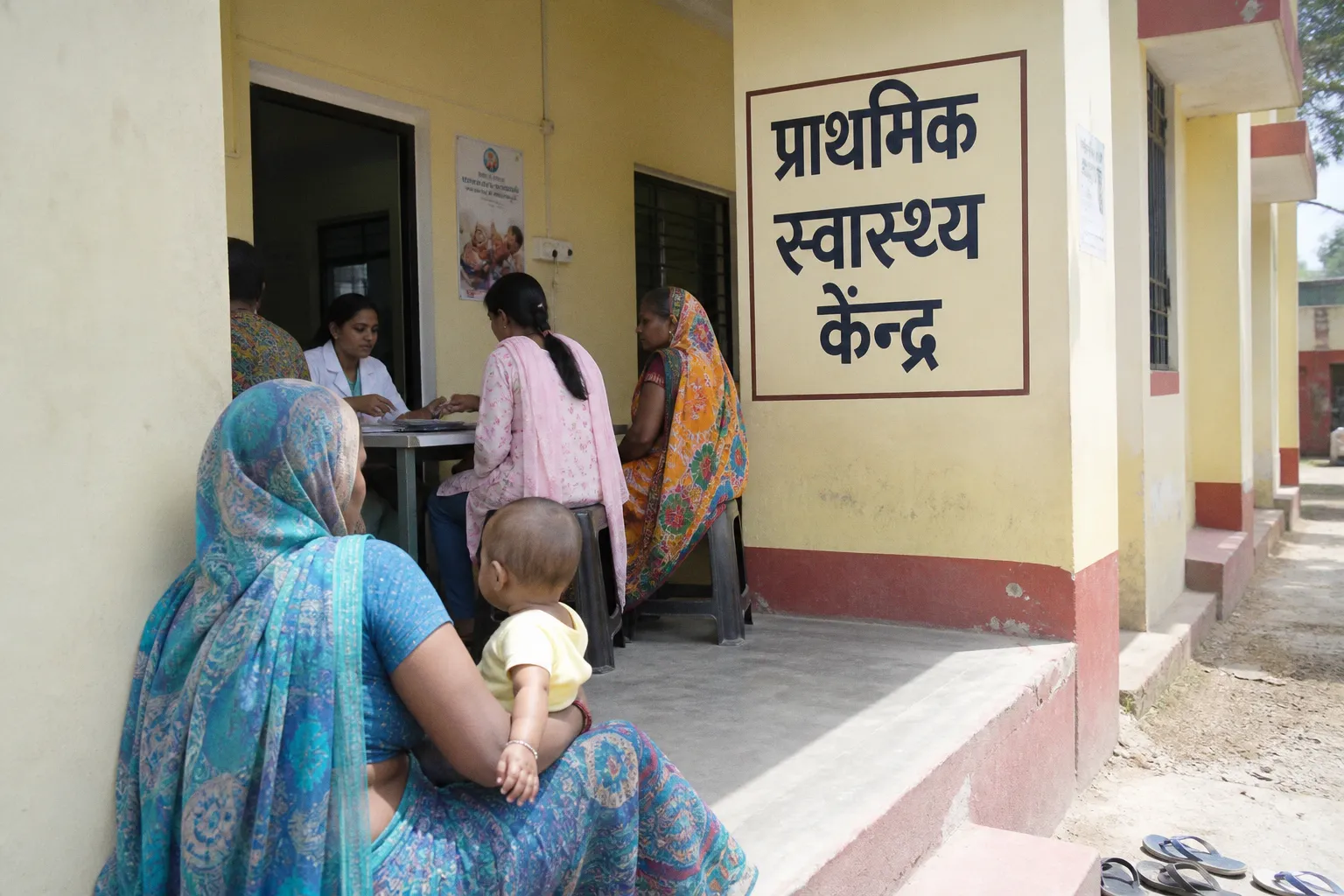
For the patients I see in clinic, many of whom shoulder careers, caregiving, and medical costs at the same time, a women-focused product like this is rare enough to slow down and actually read. The real question isn't whether the marketing is appealing — it's whether the underlying protection holds up when a family actually needs it.
What the plan actually offers
The product bundles a standard term life cover with several women-specific add-ons. A pregnancy break feature lets eligible policyholders pause or adjust premium payments during pregnancy while keeping the cover active, subject to the policy's terms — a practical acknowledgement that household income often dips in those months, particularly for women in informal or self-employed work. A lifetime premium discount of 15% is built in, alongside a Child Education Care option that pays out as a stream of income instead of a lump sum, with annual payouts rising 10% for ten years. On the wellness side, policyholders get access to teleconsultations across multiple medical specialties, annual health check-ups, health risk assessments, wellness information, and discounts on pharmacy and diagnostic services. According to the company, the combined benefits tied to the product can reach up to Rs.92,100, with the women-specific wellness portion valued at up to Rs.25,000.
What I'd want a patient to ask before signing
The wellness perks are easy to get excited about, but in my experience the most consequential details are the ones buried in the fine print. I'd urge any woman considering this plan to confirm the actual life cover amount, the premium she'd pay over the full policy term, the exclusions — especially any pregnancy or pre-existing condition clauses — and whether the pregnancy break benefit changes anything about her cover during that window. It's also worth asking how long the wellness services remain active, and whether the teleconsultation pool includes the specialties she's most likely to need, such as obstetrics, gynaecology, mental health, or endocrinology. Wellness discounts and teleconsultations are useful additions, but they aren't a substitute for adequate life cover, and they shouldn't be the reason a woman chooses the plan. The most important check, as with any term policy, is whether the death benefit genuinely supports her dependents for the long stretch they'd need it.
Where this fits in the maternal health picture
In district clinics and urban maternity centres alike, I see how financial precarity shapes pregnancy decisions — what tests a woman agrees to, whether she can afford rest, whether she returns to work before her body is ready. Pregnancy is exactly the life stage where households feel the squeeze of medical costs and lost income simultaneously, which is why a product that formally builds in a pregnancy break and women-focused wellness services is worth attention, even if the headline numbers are modest. ICICI Prudential's plan doesn't claim to solve maternal healthcare financing, and it shouldn't be read as doing so. What it does signal is that insurers are beginning to design around women's life events rather than designing around them. For practitioners and counsellors, the practical takeaway is simple: when a patient asks about this plan, walk her through the cover first, and treat the wellness catalogue as a bonus, not the foundation.