Maternal Anaemia Linked to 27% Higher Stillbirth Risk in India
According to The Indian Practitioner, a new study published in The Lancet Regional Health – Southeast Asia has found that moderate-to-severe anaemia during pregnancy is associated with a 27% higher…
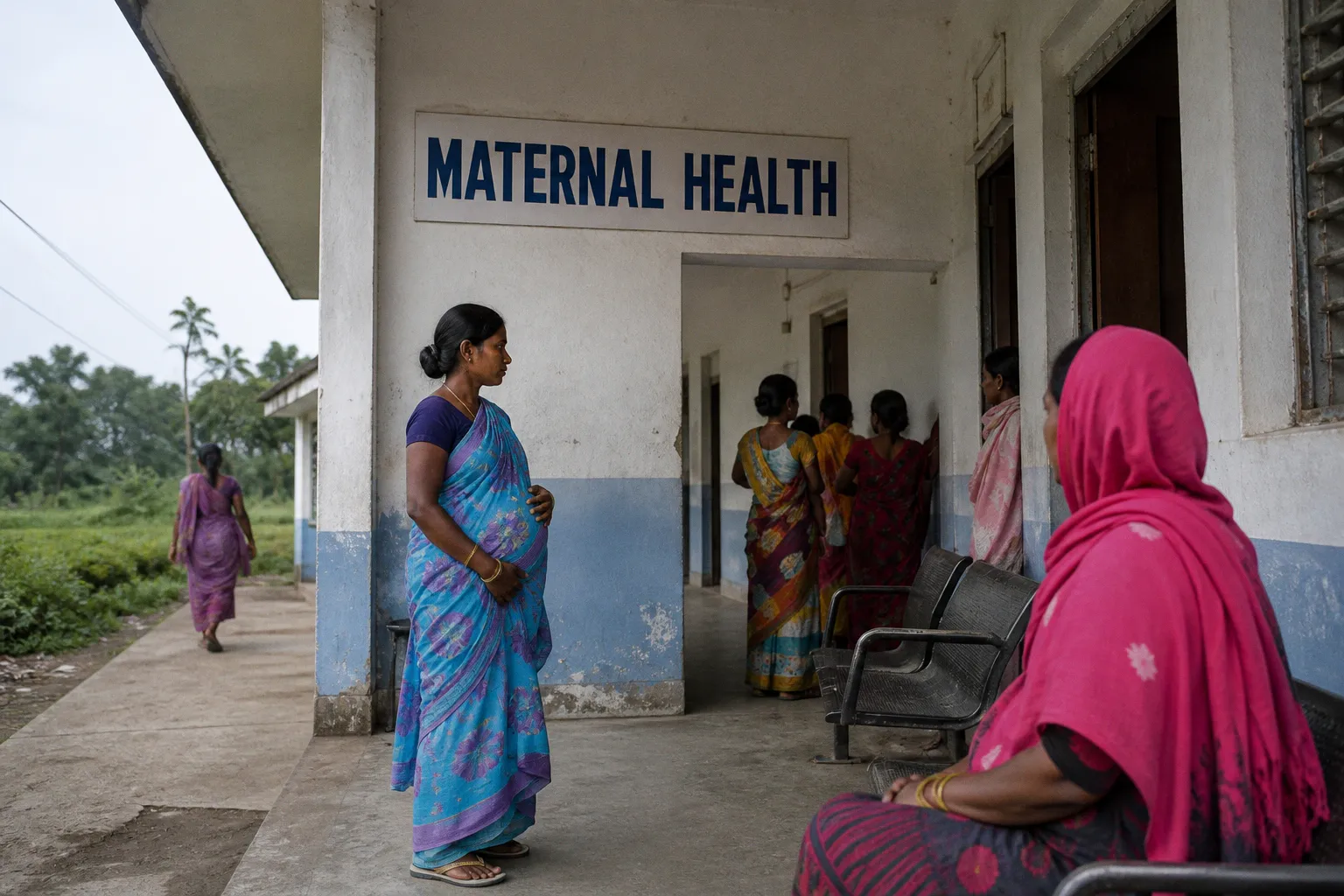
According to The Indian Practitioner, a new study published in The Lancet Regional Health – Southeast Asia has found that moderate-to-severe anaemia during pregnancy is associated with a 27% higher risk of stillbirth after 28 weeks of gestation. The analysis covered more than 214,000 singleton pregnancies across ten Indian states, placing maternal haemoglobin assessment firmly within the care pathway for preventing avoidable pregnancy loss. For patients and frontline teams, the message is practical: anaemia should not be treated as a minor finding to revisit later in pregnancy.
The clinical gap is often easy to miss
On the ground, anaemia can be present alongside symptoms that are easy to normalise during pregnancy—tiredness, reduced energy or breathlessness—and some women may have few noticeable symptoms at all. That is why routine haemoglobin screening matters: the risk identified in this study was linked to the severity of anaemia, not simply to whether a woman felt unwell.
The study used data from the Indian Council of Medical Research Stillbirth Pooled Indian Cohort Consortium. Researchers from the University of Oxford, the London School of Hygiene & Tropical Medicine and the Indian Institute of Public Health, Bengaluru, analysed 214,709 pregnancies in which haemoglobin levels and birth outcomes were recorded.
More than half of the women included in the analysis had moderate-to-severe anaemia. Overall, about 1.7% of the pregnancies ended in stillbirth. The study found that severe anaemia was associated with almost three times the risk of stillbirth compared with no or mild anaemia, while moderate anaemia was associated with an increase of about 20%.
The timing also matters. Stillbirths occurred earlier, on average, among women with severe anaemia—around 29 weeks of gestation compared with 31 weeks among women with no or mild anaemia. These findings do not mean that every pregnancy complicated by anaemia will have the same outcome, but they do show why the severity of the condition needs to be identified and followed rather than recorded and overlooked.
What this means for patients and clinics
The authors recommend prioritising routine haemoglobin screening, timely iron supplementation, nutritional interventions and appropriate treatment throughout pregnancy. In a clinic visit, this translates into a few straightforward questions: has haemoglobin been checked, is the result documented, has the care team explained whether the anaemia is mild, moderate or severe, and is there a clear plan for treatment and follow-up?
That last point is especially important. A prescription or supplement is only one part of care; the patient also needs to know what the treatment is for and when the blood result should be reviewed. If anaemia is severe, the care pathway may need closer attention than a routine “continue and return later” plan. The evidence in this report supports making that discussion explicit.
The study also notes that not every form of anaemia has the same underlying cause. The researchers recommend addressing modifiable causes, while recognising that genetic and other non-modifiable forms may require different management. This is a useful safeguard against a common clinical mistake: assuming that one intervention will fit every patient.
The next checkpoint is continuity of care
For district hospitals, community clinics and antenatal teams, the findings reinforce the value of keeping haemoglobin results connected to the rest of the pregnancy record. Screening without timely treatment, or treatment without documented follow-up, can leave an important risk signal disconnected from the care pathway.
For patients, the practical step is to keep a record of haemoglobin results and ask what the result means for the current stage of pregnancy. Do not stop prescribed treatment without discussing it with the maternity team, and seek clarification if the plan does not explain when the next assessment will happen. The study does not offer a reason for alarm; it offers a reason for earlier, more organised attention to a condition that the researchers describe as preventable in many cases.