Can AI-Driven Surveillance Close the Gaps in Maternal and Child Health Tracking?
According to reporting from Kenyans.co.ke, Kenya's Ministry of Health is exploring a new artificial intelligence system designed to track pregnancies, births, and child health data nationwide.
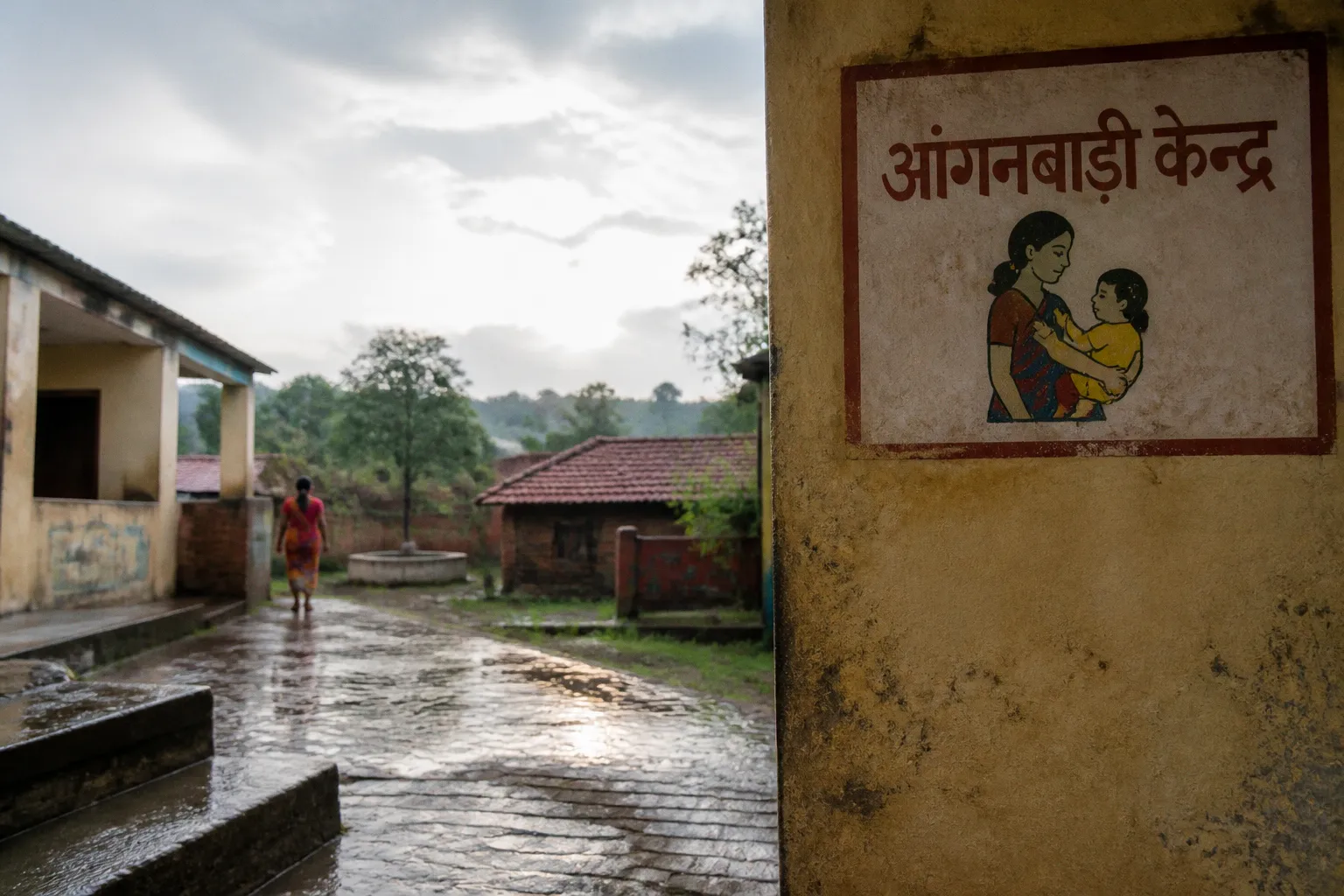
While the announcement comes from East Africa, it sits squarely within a conversation Indian maternal health practitioners and programme officers are already having about how digital tools can tighten surveillance across our own care pathways. For us on the ground, the question isn't whether AI belongs in the antenatal register — it's what we'd actually want it to do.
What's on the table
The Kenyan proposal, as carried by Kenyans.co.ke, points toward an AI platform that would monitor pregnancy milestones, birth outcomes, and key child health indicators in near real time. Details remain thin — the headline is the main confirmed fact in circulation — so I'd be cautious about assuming a launch date, a vendor, or a specific dashboard layout until the Ministry publishes something more concrete.
What I do find encouraging is the framing: tracking that begins at pregnancy registration, not at the point of crisis. In my own community clinics, I've watched too many women fall out of the system between their first antenatal visit and delivery — sometimes because their records exist in three different formats, sometimes because nobody on the follow-up side knew they were pregnant in the first place. Any tool that genuinely closes those gaps is worth watching closely.
Why this conversation matters for India
We don't need to look far to see why this debate has legs here. Data reported by The Times of India shows Kerala recorded 455 infant and child deaths alongside 312 stillbirths between January and May 2026 — and yet the state's infant mortality rate sits at a relatively low 5 to 8 per 1,000 live births. That paradox tells you something important: even in our better-performing districts, individual deaths still cluster in ways that aggregate rates can hide, and that's exactly where careful tracking earns its keep.
Separately, a recent Lancet study highlighted by Onlymyhealth suggests that multiple pre-pregnancy health conditions may raise miscarriage risk by around 20% — a figure that makes pre-conception screening and continuous data linkage far more than an administrative nice-to-have. And in Imo East, a political pledge reported by Tribune Online to tackle maternal and infant mortality reminds us how consistently this issue keeps surfacing on campaign trails, not just in clinic rooms.
What I'd want to see next
If Kenya's Ministry moves from exploration to procurement, three questions will tell us whether the tool is serious or symbolic: how the system handles informed consent and patient confidentiality; whether it interoperates with existing HMIS and RCH portal data rather than sitting beside it; and how frontline ANMs, ASHA workers, and staff nurses — the people who would actually feed the system — are brought into the design from day one. Technology layered on top of an already-stretched workflow tends to become just another register nobody fills in completely.
For Indian practitioners and programme officers reading this, the takeaway isn't to import a Kenyan model. It's to keep asking our own state health missions the same question Kenya is now asking publicly: what would it actually take for every pregnancy in our district to be visible from registration through the child's fifth birthday — without piling yet another form onto a tired worker's day?