Rajasthan Overhauls Maternal Health Oversight Following Recent Mortality Spike
According to The Times of India, the state’s Chief Secretary has reportedly moved to tighten health monitoring protocols following a series of maternal deaths.
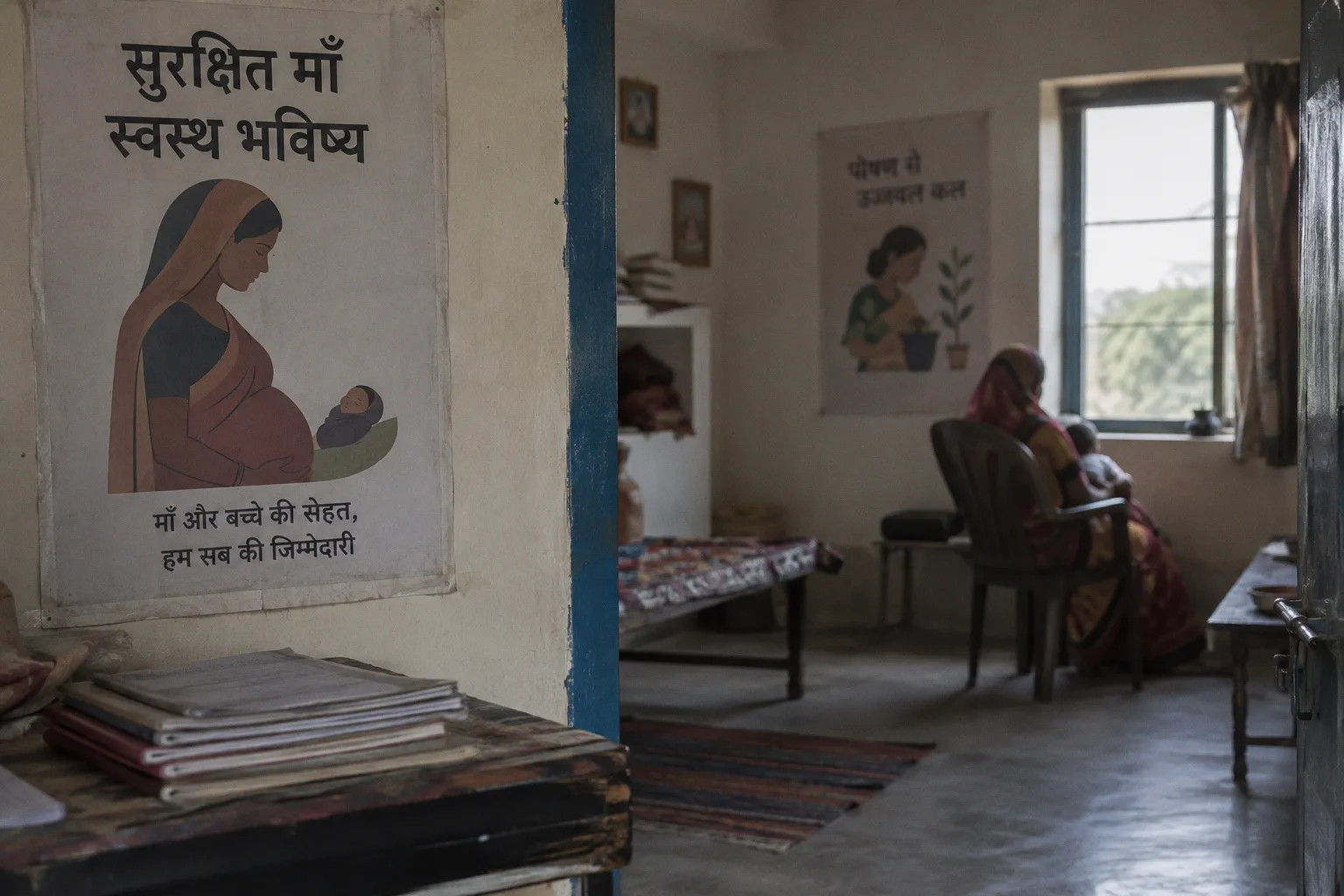
A few weeks ago, I was reviewing a set of antenatal charts when I noticed a pattern that had been niggling at me—a cluster of cases where early warning signs were present, but the response system wasn’t quite quick enough to catch them. It’s a challenge many of us face on the ground: how do we translate a patient’s subtle change in condition into timely action? This is why recent reports from Rajasthan have caught my attention. According to The Times of India, the state’s Chief Secretary has reportedly moved to tighten health monitoring protocols following a series of maternal deaths. This isn’t just an administrative shift; for those of us working in community and district hospitals, it signals a potential recalibration of how we watch over high-risk pregnancies.
What tighter monitoring means for care pathways
From a clinical standpoint, tighter monitoring usually translates to more frequent check-ins, stricter documentation, and clearer escalation pathways. For the midwife or doctor at a Primary Health Centre, this could mean revisiting how we assess risk factors at each visit and ensuring that referral to a higher centre happens before a crisis hits. It’s about building a safety net that’s not just on paper but felt in the daily routine of care. The move in Rajasthan suggests a systemic recognition that maternal safety requires proactive, continuous oversight—not just reactive care when things go wrong.
The broader picture: nutrition and data-driven insights
While the Rajasthan directive focuses on monitoring, it arrives alongside a growing body of evidence that underscores where early intervention can begin. A recent study covered by India News Network highlights how distinct dietary patterns during pregnancy are linked to infant health outcomes, reminding us that nutrition is a modifiable risk factor we must address long before delivery. Meanwhile, research published in Nature Medicine introduces an AI agent designed to forecast maternal and infant risks by integrating longitudinal health records. This points to a future where monitoring isn’t just about human vigilance but also about intelligent systems that help us spot patterns earlier. Together, these developments paint a picture of maternal health as a continuum—from adolescent nutrition to prenatal care to postpartum recovery—where every data point matters.
Navigating the change with a patient-centred lens
For practitioners, the takeaway is both a call to action and a moment for reflection. Tighter state-level monitoring should encourage us to audit our own clinic practices: Are we capturing all vital signs consistently? Do we have a clear plan for managing hypertensive disorders or haemorrhage risk? At the same time, it’s crucial that we maintain a human-centric approach. Monitoring shouldn’t feel like surveillance to the patient; it should feel like being seen and supported. As we adjust to new protocols, let’s keep the conversation open with our teams and our communities, ensuring that system changes translate to safer, more compassionate care at the bedside.