WHO and Doris Mollel Foundation Partner to Improve Newborn Survival Outcomes
The World Health Organization has formalized a memorandum of understanding with the Doris Mollel Foundation to strengthen collaboration on the health and survival of small and sick newborns, particularly in Africa.
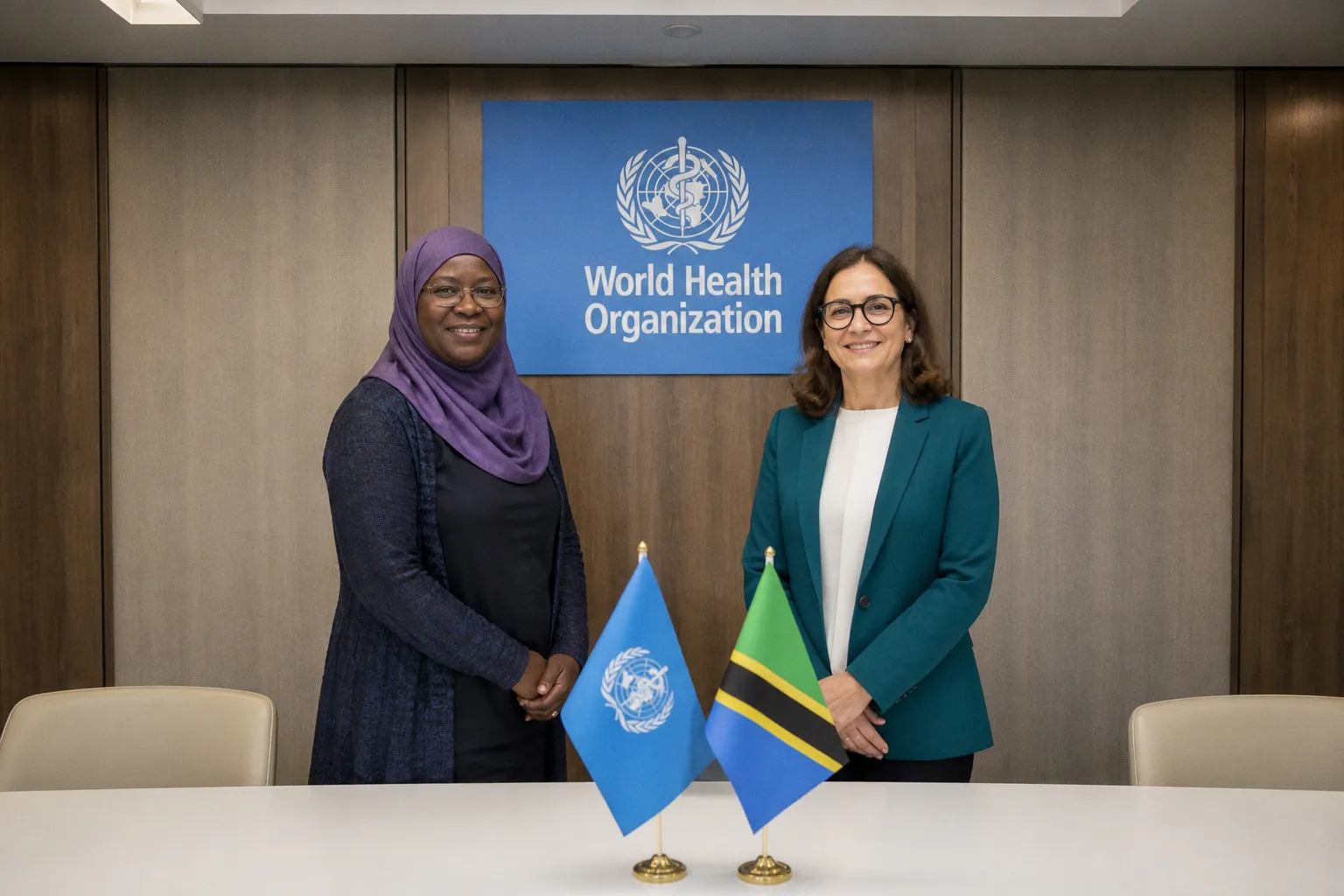
According to the WHO announcement, the agreement was signed on 29 June 2026 by Dr Jeremy Farrar, Assistant Director-General for Health Promotion, Disease Prevention and Care, sitting within WHO's Department of Sexual, Reproductive, Maternal, Child, Adolescent and Ageing Health. The partnership matters beyond the regions it most directly names — and it is worth understanding what it commits to, because the language, frameworks, and documentation that emerge from a global agreement of this kind tend to shape the tools we eventually use at the bedside.
What the MOU actually commits to
The Doris Mollel Foundation is a women-led Tanzanian organization working to end preventable maternal and newborn deaths and to advance adolescent reproductive health in East Africa, through evidence-based, research-driven and community-led interventions. The MOU between WHO and the Foundation sets out three practical pillars: joint advocacy, evidence generation, and strategic communications. None of these are abstract. The agreement specifically names regional and global platforms — the African Union and the African First Ladies Development Organization — as advocacy partners, and identifies World Prematurity Day as a flagship moment for coordinated public communication.
The evidence-generation track is the one I want to flag most clearly. The agreement includes support for research and documentation of effective models of newborn care. For practitioners reading this from India, the practical value is what this documentation can eventually surface: the protocols, referral pathways, and family-centered care approaches that have been tested in one setting and can be adapted in another.
Why this belongs on an Indian practitioner's radar
On the ground in our clinics, the clinical challenge of small and sick newborns is not a foreign problem. The preterm infant who needs thermal support, the late-preterm with feeding difficulty, the term newborn who needs stabilization before referral — these are the same infants, with the same physiology, that this partnership is built to serve. The Foundation's focus on community-led, evidence-based interventions mirrors the kind of grassroots-to-policy pathway that India's own maternal and newborn programmes have been building, and its explicit attention to adolescent reproductive health sits comfortably alongside the realities we navigate in our clinics.
Cross-continental partnerships of this kind are most useful when they are treated as a two-way exchange rather than a transfer of expertise. India's experience with newborn care at scale — and the persistent gaps in quality of care for small and sick infants — is exactly the kind of practical knowledge that belongs in a global conversation.
What to watch, and what to do with this now
Global agreements like this tend to translate into training resources, surveillance frameworks, and advocacy toolkits over months, not weeks. If you work in maternal and child health at the district or state level, the practical question is this: when WHO and the Doris Mollel Foundation begin releasing documentation from this partnership, who in your facility or network will be reading it, and how will it feed into your existing protocols?
I would also pay attention to the patient-facing language this partnership begins to use. The MOU's emphasis on strategic communications around global health observances is a quiet way of saying that the framing of prematurity, newborn vulnerability, and family-centered care will be shaped more deliberately going forward. That language eventually filters into the counselling we do at the bedside — how we explain prognosis to a mother of a preterm baby, how we frame skin-to-skin care, how we support parents through the newborn care stay.
The Doris Mollel Foundation's name will not be familiar to most Indian practitioners yet. It should become one. A partnership like this is only as useful as the clinicians who are willing to read what it produces, adapt what works, and push back on what does not.