Why Consistent Antenatal Care Is Essential to Reducing Maternal Mortality
According to Punch Healthwise, medical experts in Nigeria are warning that maternal deaths are unlikely to fall without consistent antenatal care and access to hospital delivery.
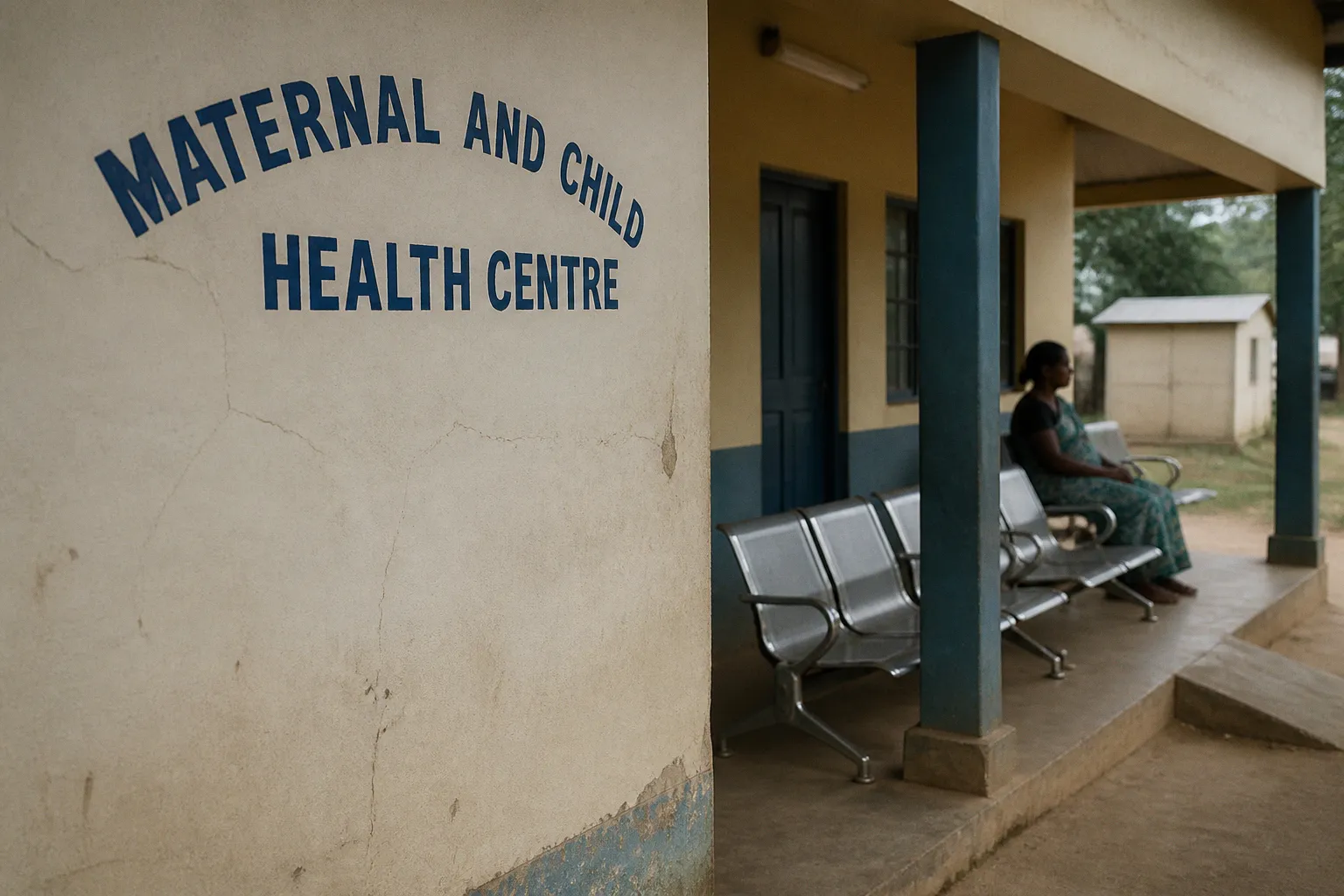
For patients and clinics, the message is practical rather than abstract: a pregnancy care pathway only works when women can enter it early, return for follow-up, and reach an appropriate facility when complications arise.
The story matters in India because it puts regular contact with maternity services at the centre of the discussion, while a separate report from The Tribune points to efforts in Haryana to strengthen maternal and child health infrastructure. These developments do not provide a single solution, but they show the two sides of safer care: women need dependable access to services, and health systems need the capacity to receive, monitor and refer them.
The gap is not only whether care exists
The Nigerian physicians’ warning focuses on missed antenatal visits and the danger of reaching hospital only after a complication has become severe. That is a familiar systems challenge across maternal health: the formal service may be available, but the patient still needs a realistic route into care and a facility capable of responding when her needs change.
For families, regular antenatal care should therefore be understood as a continuing pathway rather than a one-time appointment. The important questions are whether the clinic can provide follow-up, whether the patient knows where to go if the pregnancy becomes more complex, and whether referral to a higher-level hospital is possible when required. The source also highlights hospital delivery as part of the same pathway.
This is particularly important for women living in hard-to-reach areas, whom the Nigerian experts identified as especially vulnerable when antenatal services are not used consistently. The report does not suggest that every missed visit reflects an individual choice; distance, service availability and trust in local care can all shape how a family reaches the health system. Any response that ignores those conditions will leave the underlying access gap in place.
What Haryana’s announcement signals
The Indian development reported by The Tribune is narrower but relevant to this care-pathway question: Haryana is preparing to fast-track eight maternal and child health wings. The report also describes a policy focus on stronger women-centred services, referral facilities and pregnancy monitoring.
For patients, infrastructure announcements become meaningful only when they translate into a clear route through care. A new or strengthened maternal health unit should make it easier to understand where antenatal follow-up takes place, which facility handles higher-risk needs, and how emergency referrals are organised. Those details are more important on the ground than the name of a programme.
The Tribune also reports that Haryana is working to bring maternal and newborn care closer together, with a stated emphasis on keeping mothers and newborns together during specialised care. That approach is significant because maternity services are not finished at delivery: the health needs of the mother and baby remain connected, and families should not have to navigate entirely separate systems without support.
The patient-centred test
For practitioners, the immediate lesson is to treat missed antenatal contact as a care-navigation issue as well as a clinical one. Patients need information that is clear enough to act on: when to return, which facility to contact, and where referral will occur if the local service cannot safely manage the pregnancy.
For health planners, the reports point to the same test from a different direction. Building units and expanding services must be matched by reliable referral pathways and monitoring that reaches women who are otherwise left outside routine care. The Nigerian warning is that hospital access cannot be separated from regular antenatal care; the Haryana announcement suggests that infrastructure and referral capacity are being used to address that connection.
In community practice, I would want every pregnant patient to leave with a care route she can realistically follow—not simply a recommendation to attend antenatal care, but a clear understanding of where that care is available and what happens if her needs become more complex. That is the patient-centred measure of progress: not only whether services are announced, but whether women can reach them in time.