BRICS Child Futures Forum Advocates for Integrated Human Capital and Child-Centric Policy
The BRICS Child Futures Forum closed in Lucknow with a diagnosis every district health officer already recognises: financing pipelines are intact, last-mile delivery is fractured.
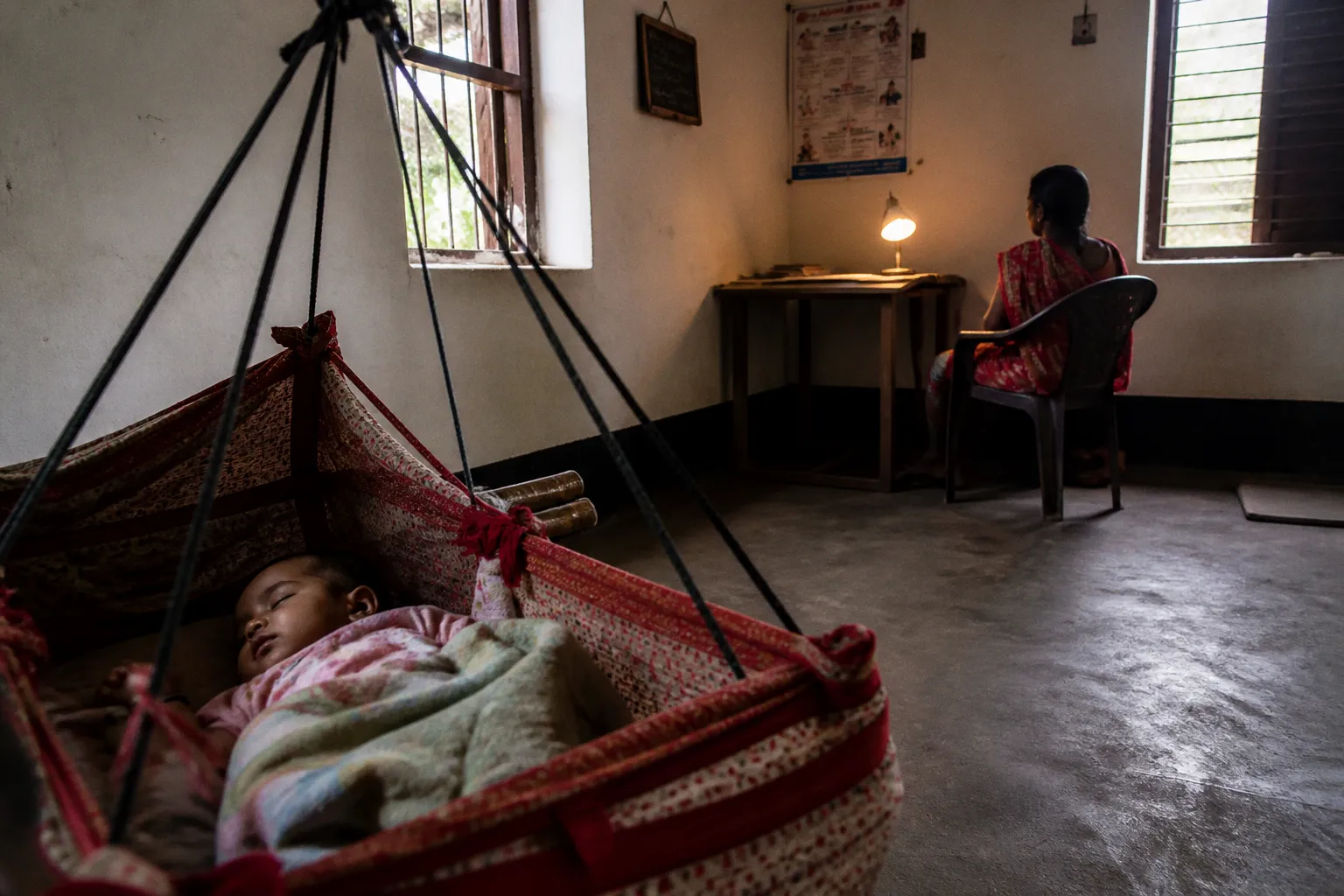
BRICS Child Futures Forum calls for child-centred human capital agenda and stronger development cooperation
According to ANI's reporting, the Forum — convened by the Observer Research Foundation and UNICEF India under India's 2026 BRICS Presidency — pushed for an integrated life-cycle approach that ties maternal health, early childhood development, nutrition, and adolescent skills into one delivery architecture. The diagnosis is familiar. The unresolved question is whether BRICS assigns a delivery owner.
The three priorities — and the one that actually breaks
The Forum settled on three operational priorities: protect spending across the life cycle, build integrated last-mile systems that reach families facing multiple deprivations, and set up a working mechanism for BRICS countries to swap implementation know-how. The second priority is where India's health and nutrition architecture keeps bleeding. Anganwadi centres, primary health centres, and school health programmes run on parallel supply chains with separate drug kits, separate reporting lines, and separate re-supply cycles. A migrant mother can be enrolled in three schemes and still miss a routine iron-folic acid refill because no single block-level node reconciles the logistics.
Delivery systems, not declarations
Uttar Pradesh Minister Baby Rani Maurya noted that countries may differ but share the aspiration that every child gets the chance to thrive. UNICEF India Representative Jesper Moller framed the stakes numerically: BRICS is home to more than a billion children, nearly half of the world's total, and their health, learning, skills, and agency will shape the future strength of BRICS economies and societies. According to ANI, Moller said the priority now is to translate evidence into country plans, financing decisions, stronger delivery systems, and practical cooperation across BRICS.
Amarjeet Sinha, former Secretary to the Government of India and Senior Fellow at CSEP, took the same line on governance. According to ANI's reporting, Sinha said BRICS countries have much to learn from one another about converting policy intent into results at the last mile, and that collaborative governance, decentralised delivery, and women's agency are central to the work. The Forum itself acknowledged that finance alone is insufficient — collaborative governance across sectors and stronger local institutions are non-negotiable. That is the correct reading. What it lacks is a delivery deadline.
What to track over the next two quarters
- Whether India's BRICS presidency follow-up converts the three priorities into a measurable district-level template, or another communiqué.
- Any state pilot integrating ICDS supply kits with PHC cold-chain logistics — that is the actual plumbing fix.
- The UNICEF India community-led migrant child models emerging from the Maharashtra field work, since last-mile reach depends on which cadre owns the household.
Forum declarations age badly when they don't name a delivery deadline. The Lucknow meeting named the right bottleneck. Now someone needs to own the supply chain.