Navigating Maternal Mental Health and Autopsy Decisions Following Stillbirth
On a busy postnatal ward, the silence after a stillbirth is louder than any cry in the nursery.
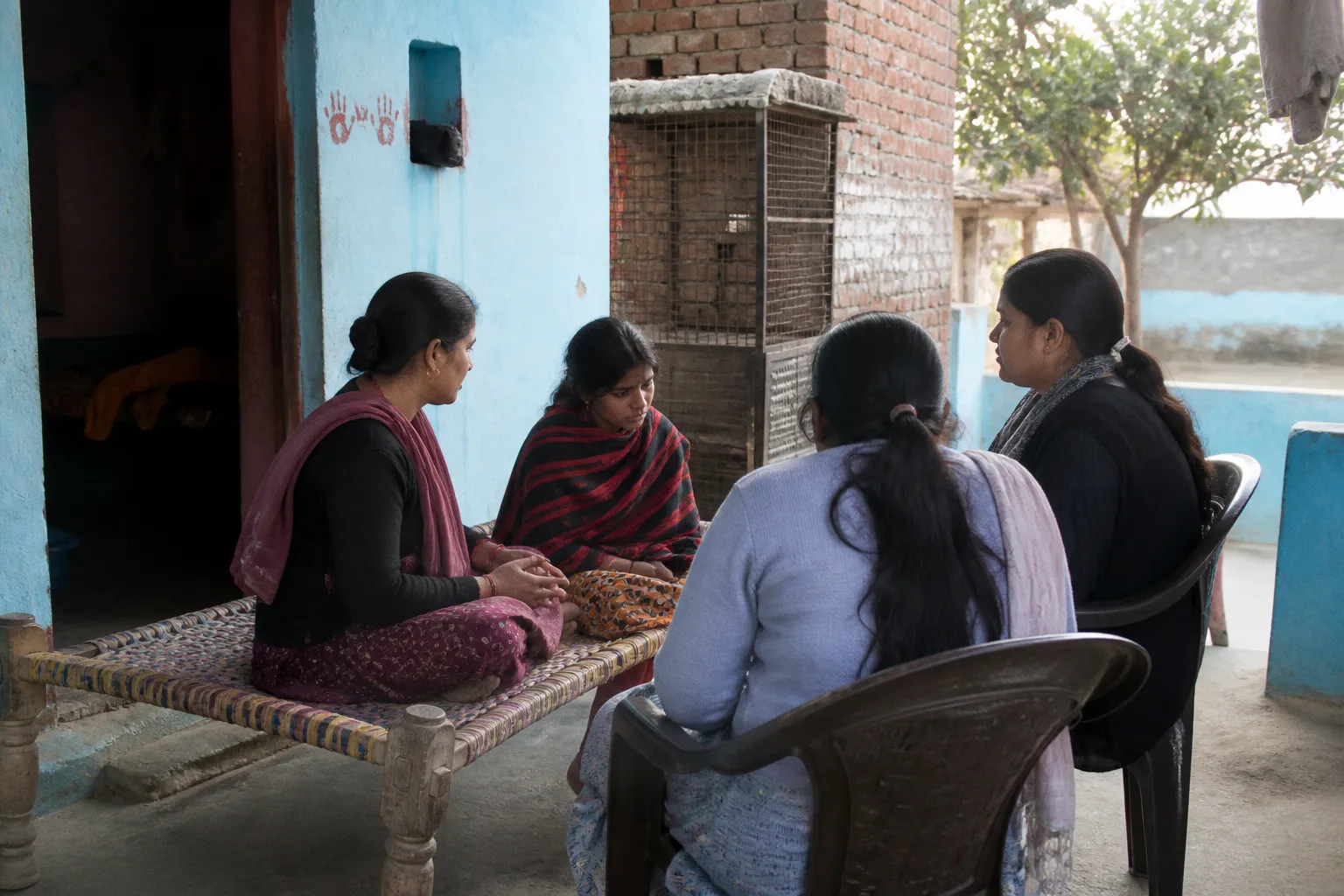
As clinicians working with families across India know, the weeks that follow bring questions that are clinical, emotional, and sometimes painfully administrative — and a newly indexed study on Springer Medicine braids three of those threads into a single frame.
What the study is asking
The paper, titled "Maternal Mental Health After Stillbirth: Associations With Autopsy Decisions, Cause of Death Knowledge, and Psychosocial Risk Factors," sits squarely at the crossroads that midwives navigate every month: the decision about whether to consent to an autopsy, how much a mother actually understands about why her baby died, and the wider social and psychological pressures that shape her recovery.
These are not abstract variables. They are conversations we have at the bedside, often within hours of delivery, and they carry forward into months — sometimes years — of grief.
Why this matters on the ground in India
In our clinics, autopsy consent is rarely a single moment. It is a slow conversation that involves a devastated mother, an anxious extended family, and frequently a junior doctor who may not feel equipped to explain what a postmortem can and cannot tell us. If a mother says yes but does not understand what the results will mean — or never receives those results at all — the emotional cost compounds.
The study's focus on "cause of death knowledge" speaks directly to a gap I have seen repeatedly: parents who carry vague or contradictory explanations for years because no one sat with them to walk through the findings in plain language. That uncertainty shapes how they bond with subsequent pregnancies, and whether they seek care early or arrive in crisis.
The "psychosocial risk factors" framing matters just as much here, where stigma around pregnancy loss can leave mothers isolated, sometimes quietly blamed by family, and rarely referred for the mental health follow-up they truly need.
What to do at the bedside this week
If you are a frontline provider, a few practical prompts worth folding into your routine:
- Document not just whether autopsy consent was given, but whether the mother could articulate what she expected to learn from it.
- Build a clear pathway for returning cause-of-death findings to families — in language they can absorb, ideally with a counsellor present.
- Screen for psychosocial vulnerability at the first postnatal contact, not at the six-week visit.
- Warm-handoff to peer support groups or bereavement counsellors rather than relying on a single leaflet handed at discharge.
The paper is one more reminder that stillbirth care does not end at delivery. The mental health of the mother depends on the information we give her, the consent we help her navigate, and the network we wrap around her when she walks out of our door.