Lessons from Africa’s New Child Survival Framework for India’s Health Infrastructure
African health ministers just signed onto a continent-wide framework aimed at cutting preventable child deaths — and the move lays bare exactly where India's own child survival machinery keeps stalling.
According to WHO's Regional Office for Africa, delegates at the 76th session of the WHO Regional Committee for Africa adopted the framework this week to accelerate child survival, nutrition, and early childhood development across member states, with a stated goal of reducing preventable child mortality and promoting healthy growth.
What's actually in the framework
Public details remain thin. Per the WHO Africa office, the framework centers on three operational pillars: child survival, nutrition, and early childhood development. What matters for systems engineers watching from India is not the rhetoric but the implementation hooks — how each country will fund frontline worker training, secure supply chain continuity for therapeutic feeds, and build integrated monitoring of under-five mortality. Without those, the document collects dust on a shelf in Brazzaville.
Why India's RCH map should pay attention
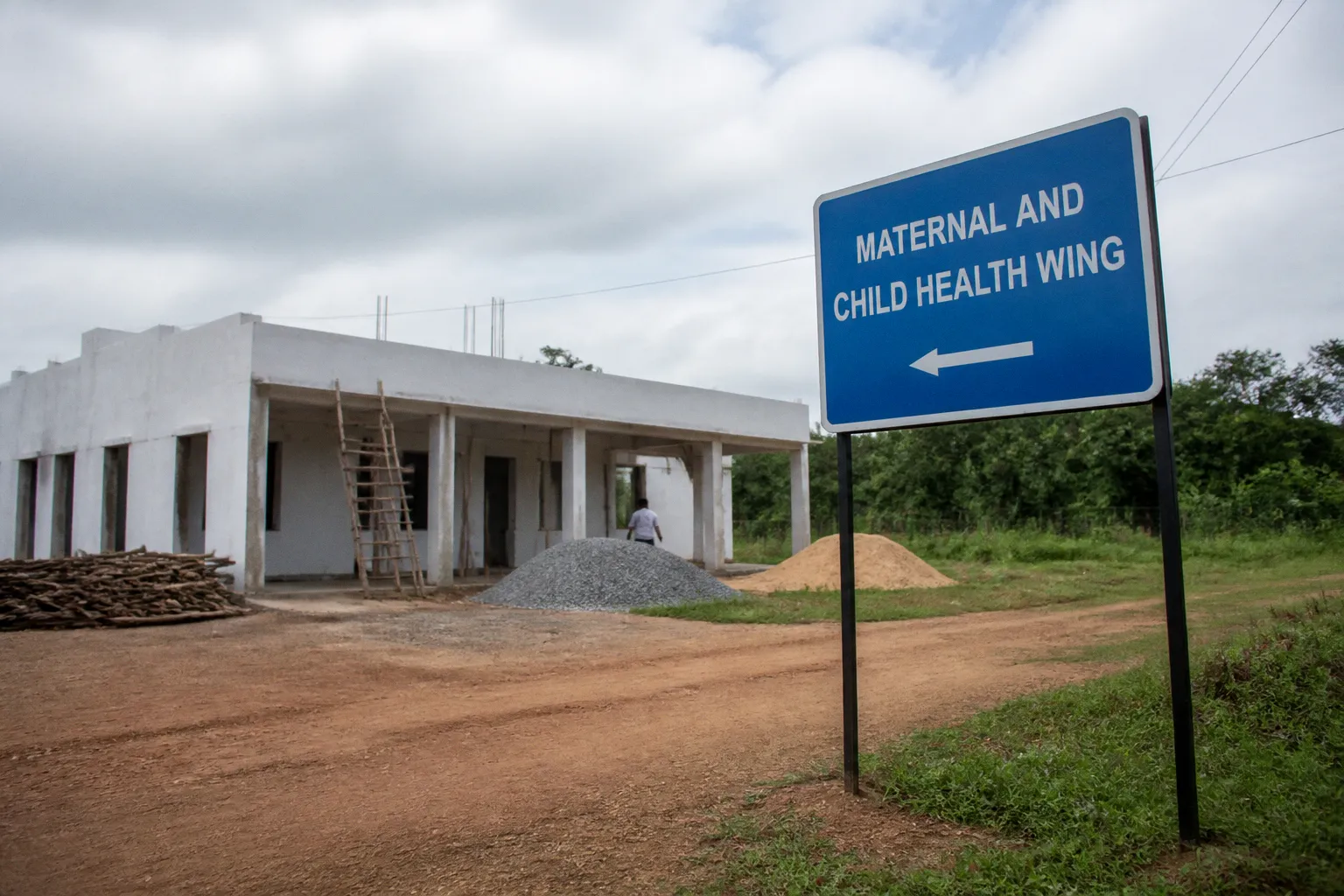
States are already moving pieces on this board. Haryana's health department, for instance, has directed officials to fast-track eight new Mother and Child Health wings and convert all Special Newborn Care Units into integrated Mother-Newborn Care Units by November 1 — a structural shift that keeps mothers and newborns in the same care environment instead of splitting them across silos. The state currently counts 29 SNCUs, 62 Newborn Stabilisation Units, and 527 Newborn Care Corners. Reported indicators show Haryana's maternal mortality ratio dropping from 127 to 94, with neonatal mortality falling from 26 to 17. That is what framework adoption looks like when it meets a deadline.
The bottleneck India still has not solved: referral speed. Pregnant women needing emergency intervention continue to hit First Referral Units that are understaffed or underequipped. Haryana has pushed its designated FRU count from 40 to 100, but the gap between designation and operational readiness remains the kind of structural rot that turns paper frameworks into body counts.
What frontline systems should track next
- Whether the African framework ships with measurable mortality reduction targets, not just policy language
- India's parallel push to integrate maternal and newborn care under one roof, not parallel silos
- Specialist doctor recruitment at district hospitals — Haryana reports 38 new hires across paediatrics, gynaecology, medicine, and anaesthesia
- Anaemia control logistics, specifically ferric carboxymaltose availability for iron-deficient pregnant women
- Reverse tracking of pregnancies and enforcement under the PC-PNDT Act, which signal whether systems are closing loops or just filing reports
Frameworks do not save children. Supply chains, staffed FRUs, and integrated mother-newborn units do. The African declaration is worth watching precisely because India is mid-build on similar architecture — and the difference between policy text and ward outcomes will be measured in neonatal cots, not press releases.