Beyond Maternal Survival: Addressing the Hidden Crisis in Women's Healthcare
In the WHO European Region, more than 98% of births happen in a health facility and roughly 99% are attended by skilled personnel.
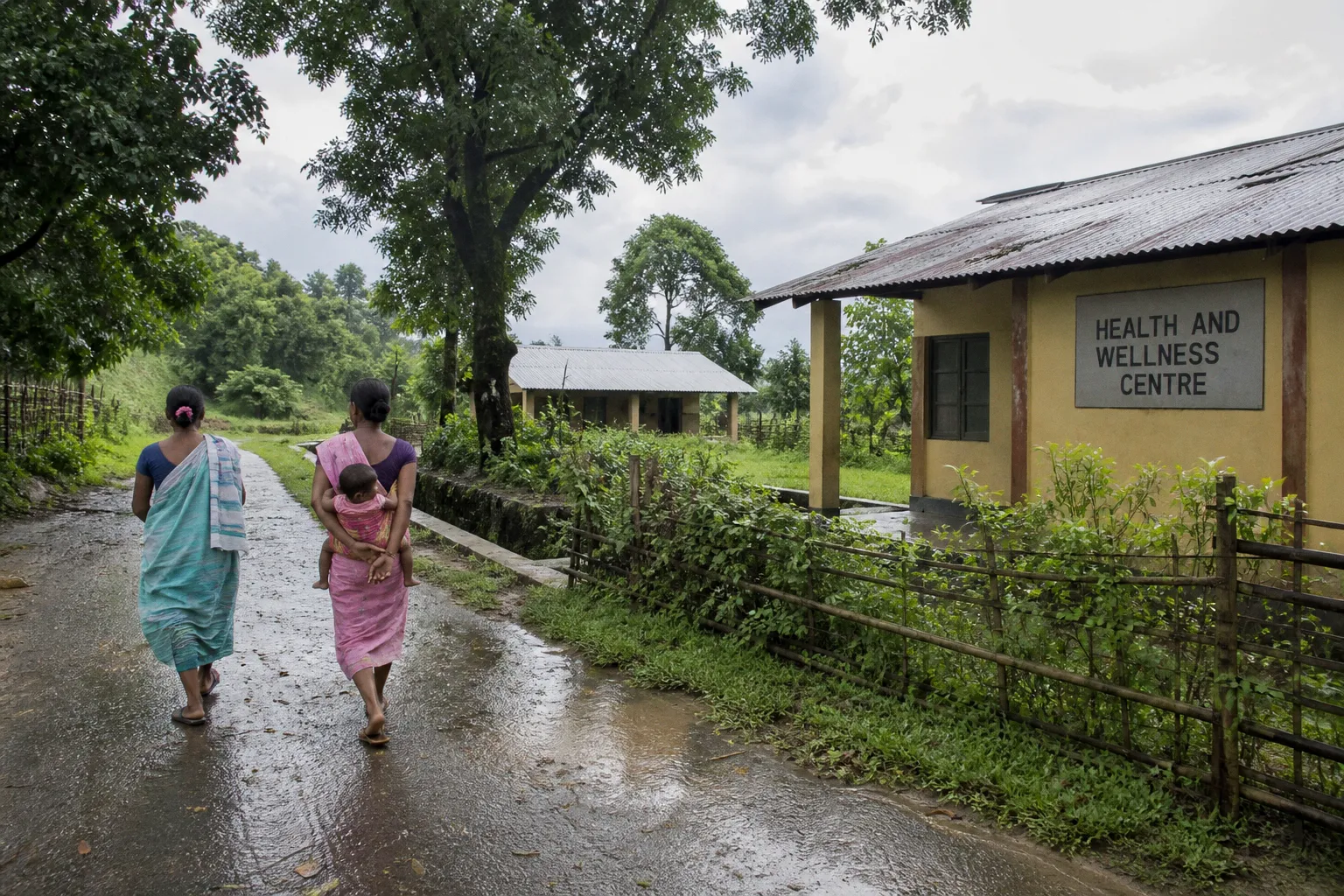
When the chart looks fine and the patient isn't
For years, that has been our shorthand for "the system is working." But a new report from the WHO Regional Office for Europe, published this week, asks us to look again, because the headline gains in maternal survival are hiding something the data has not been counting well.
The overlooked half of the story
Since 2013, maternal mortality across the Region has stagnated, and in eastern and northern Europe it has crept upward. More than 3,500 women in the Region died from maternal causes between 2018 and 2022. The authors are plain about it: nearly all of these deaths are preventable. But what stops me, reading this on my phone between clinics, is what sits outside the maternal window.
Women are living longer than men, yet spending more of those years weighed down by chronic illness and disability. And when women aged 45 and older die, their cause of death is roughly 14% more likely than men's to be filed in what the mortality coding calls the "ill-defined" bucket - frailty, cardiac arrest, heart failure, unspecified dementia, or simply "unknown." Those are not diagnoses. They are a confession that we never asked the right question while the answer was still findable.
A parallel picture is emerging closer to home for our midwifery colleagues. The National Maternity and Perinatal Audit in Great Britain, looking at nearly 593,500 births in 2024, found Caesarean rates climbing from 25% in 2015/16 to 42.8% in 2024, with vaginal births without instruments falling from 62.3% to 46.4% over the same decade. Where a woman has had a previous Caesarean, a repeat now follows in over 83% of cases. The same audit flags that Black women are 2.1 times more likely than white women to have their first booking appointment after 10 weeks of pregnancy, a critical cut-off for early scans and screening, with women in the most deprived areas facing the same delay.
What we carry back to the ward
I keep returning to one of the report's quieter paragraphs. Women in central Asia, eastern Europe and western Asia continue to die at substantially higher rates than peers in northern, southern and western Europe. That gap has stayed put for more than twenty years. Even where facility delivery is near-universal, geography is still deciding outcome.
This is the lesson I want every practitioner reading this to take home. The women we lose are not always pregnant. They are the woman in her fifties with poorly controlled hypertension who never made it to a cardiology referral. The mother of two we discharged after her last delivery and who never came back because no one called. The 62-year-old whose "weakness" was never investigated beyond a haemoglobin that looked borderline normal on a single printout.
If maternal mortality is stagnating even where 99% of births are attended by skilled hands, the next reductions will not come from the labour room. They will come from how we screen, refer and follow up the women who are no longer, or not yet, mothers, and from how honestly we record the things we do not yet understand.