Cold chain equipment maintenance: a roadmap for rural facilities
A mandated sickness rate of less than 2%. This single, uncompromising metric forms the bedrock of vaccine storage integrity across India's public health network.
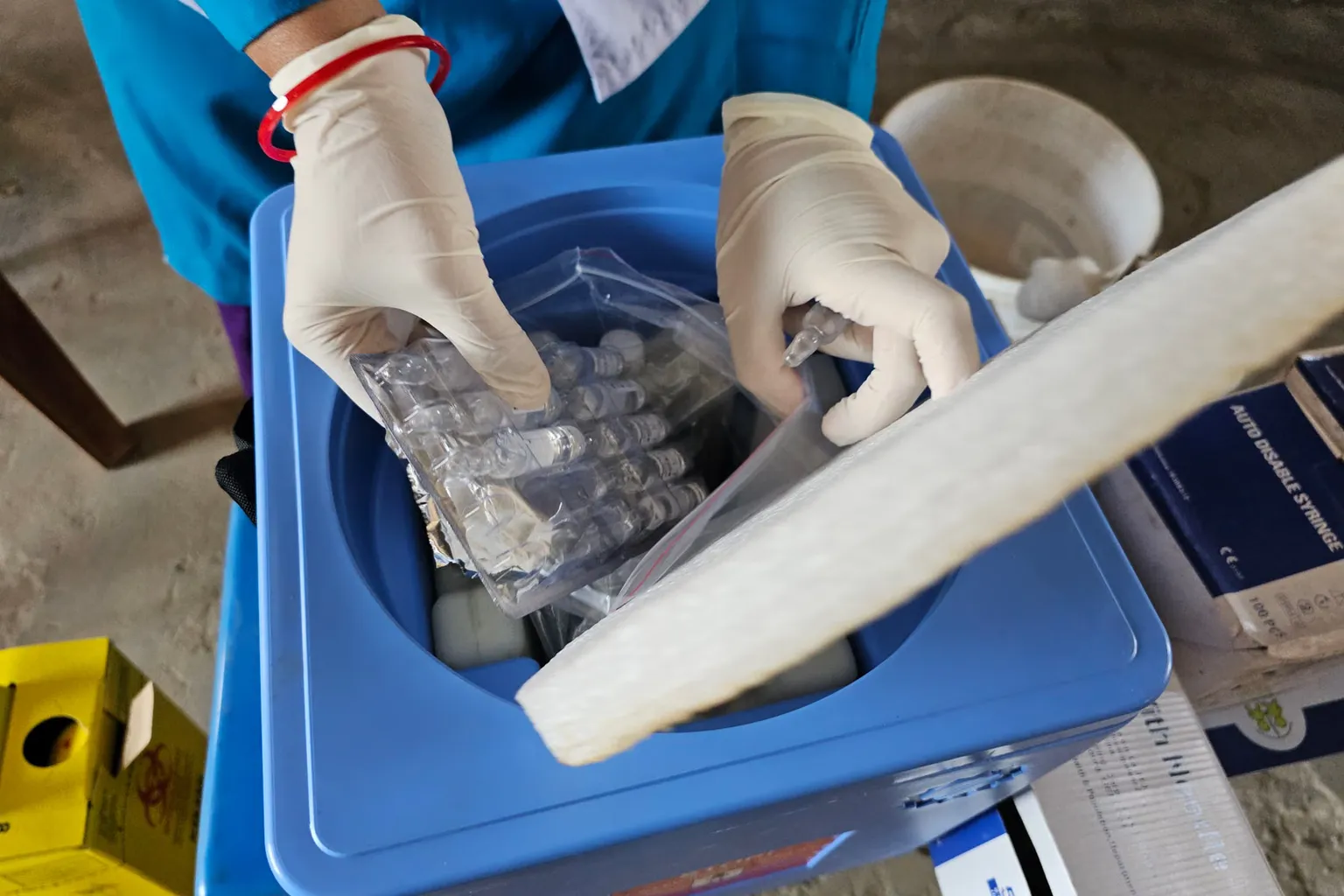
Cold chain equipment maintenance: a roadmap for rural facilities
In the context of rural primary health centers (PHCs), this is not an aspiration but a regulatory floor—a cold, hard number against which the entire cold chain infrastructure is audited. The operational reality of maintaining this standard, however, is a complex ledger of logistics, calibrated schedules, and real-time data, far removed from the simple placement of a refrigerator in a clinic.
Regulatory Standards for Vaccine Cold Chain Integrity
The framework governing vaccine storage is built on precise, non-negotiable parameters. The core of the policy is the equipment sickness rate, which must remain below 2% at any given point. This is a system-wide tolerance, acknowledging that 100% uptime is statistically improbable across a vast network, but mandating that downtime is both minimal and rapidly remediated.
This standard extends beyond mere functionality. The operational guidelines for Ice Lined Refrigerators (ILRs) and Deep Freezers (DFs) are granular, dictating environmental conditions to ensure peak performance:
- Defrosting: Required when frost thickness exceeds 5 mm.
- Placement: Equipment must stand on wooden or plastic isolators, not directly on concrete floors.
- Ventilation: A minimum clearance of 10 cm from surrounding walls is mandatory.
These specifications are not advisory. They are part of the operational protocol designed to mitigate ambient heat and humidity—critical variables in rural Indian settings where power fluctuations are common. The national oversight infrastructure, comprising over 29,000 cold chain points monitored by the Electronic Vaccine Intelligence Network (eVIN) and cataloged in the National Cold Chain Management Information System (NCCMIS), enforces this standardization. The NCCMIS alone manages data on more than 84,000 electrical and 1.2 million non-electrical equipment assets, making it the definitive logistical map for the immunization supply chain.
Operational Protocols for ILRs and Deep Freezers
The day-to-day management of vaccine storage is a discipline of vigilance and precise calibration. Each unit, whether an ILR or a deep freezer, operates within a defined temperature band, and any deviation triggers a documented response protocol. The cornerstone of this protocol is the temperature monitoring log, a manual check that complements the digital eVIN system.
The following operational checklist is typical for a rural PHC cold chain handler:
1. Twice-daily temperature recording: At 8 AM and 8 PM, at minimum, using a calibrated thermometer placed alongside the vaccine vials.
2. Visual inspection: For frost buildup, condensation on vials, and integrity of door seals.
3. Power interruption log: Noting the time and duration of any outage, with a prescribed action plan if storage temperatures approach the threshold.
4. Stock rotation: Strict adherence to the 'first expiry, first out' principle to prevent wastage.
These manual processes form the frontline defense, providing immediate, low-tech indicators of potential failure. Their reliability is entirely dependent on consistent human execution and accurate record-keeping.
The Role of eVIN and NCCMIS in Real-Time Monitoring
The transition from manual logs to digital surveillance marks the most significant shift in cold chain management over the past decade. eVIN, deployed across 733 districts, digitizes vaccine stocks and monitors storage temperatures in real-time via sensors in refrigerators. This system provides a macro-level dashboard, allowing state and district program managers to view aggregate stock levels, identify temperature excursions, and track asset health from a centralized screen.
The data flows into NCCMIS, the web-based repository that serves as the system's institutional memory. It tracks the lifecycle of every piece of equipment—from installation to maintenance cycles and eventual decommissioning. For a district cold chain officer, this means the health of a specific ILR in a remote sub-center is a query, not a mystery. The system enables predictive maintenance scheduling rather than mere reactive repair, fundamentally altering the management calculus.
eVIN transformed cold chain management from a series of isolated checkpoints into a continuous, integrated data stream, making the 2% sickness rate a measurable and manageable target rather than a policy ideal.
However, the data layer is not a replacement for the physical layer. A sensor can flag a rising temperature, but it cannot perform a defrost. The digital network's efficacy is therefore inextricably linked to the response capacity of the technical workforce on the ground.
Technician Response Mandates and Preventive Maintenance Cycles
The human infrastructure supporting the cold chain is defined by stringent performance standards. Cold Chain Technicians (CCTs) operate under a strict service level agreement (SLA) dictated by geography:
| Parameter | Plain Areas | Hilly Terrains |
|---|---|---|
| Initial Response Time | 48 hours | 72 hours |
| Major Repair Completion | 15 days | 21 days |
| Monthly Preventive Maintenance Visits | Minimum 15 cold chain points | Minimum 15 cold chain points |
The preventive maintenance schedule is the first line of defense against failure. Each visit to a cold chain point by a CCT is a systematic audit involving:
- Checking and calibrating voltage stabilizers, a critical component given erratic rural power grids.
- Inspecting the ILR or DF for operational efficiency, door seals, and thermostat accuracy.
- Verifying the placement and clearance standards.
- Ensuring the temperature logbook is maintained correctly.
This cycle of scheduled visits is designed to catch minor issues—a frayed stabilizer wire, a worn gasket—before they escalate into equipment failure and a breach in the cold chain. The mandate of at least 15 points per month per CCT creates a predictable cadence of oversight.
Technical Training and Resource Support for Frontline Staff
Sustaining this technical network requires continuous investment in human capital. The National Cold Chain & Vaccine Management Resource Centre (NCCVMRC), the apex technical body established in 2013, drives this capacity building. Its mandate is to standardize skills and disseminate best practices.
A concrete example is the intensive 9-day training program conducted in June 2026 for CCTs from multiple states. The curriculum focused on hands-on repair and maintenance of ILRs, Deep Freezers, and Voltage Stabilizers. Such programs are not one-off orientations but regular refreshers aimed at aligning technician skills with evolving equipment models and troubleshooting techniques.
The resource pipeline, however, has its own constraints. The procurement and availability of spare parts at the block level, for instance, is a variable that national data systems like NCCMIS can flag but not directly resolve. The operational integrity of a rural health center's cold chain ultimately depends on a two-tiered system: a robust national data architecture for monitoring and planning, and a responsive, skilled local workforce for execution and repair.
The cold chain is a hybrid system: its resilience is a function of both the algorithm monitoring temperature in a New Delhi dashboard and the CCT replacing a stabilizer in a Jharkhand PHC 48 hours after a fault is logged.
The path forward involves tightening this integration. Future models may see eVIN data directly triggering maintenance tickets within NCCMIS, automating the SLA clock and further compressing response times. The objective remains constant: to hold that sickness rate metric firmly below 2%, ensuring the integrity of every vaccine dose from state storehouse to rural arm. The roadmap is not one of grand innovation, but of meticulous, data-informed execution of the existing framework.