Global Shifts in Family Support and Maternal Health: Lessons for Local Clinics
Two recent announcements from outside India caught my eye this week, not because they directly redraw our clinical pathways, but because they reflect where the global conversation around family and…
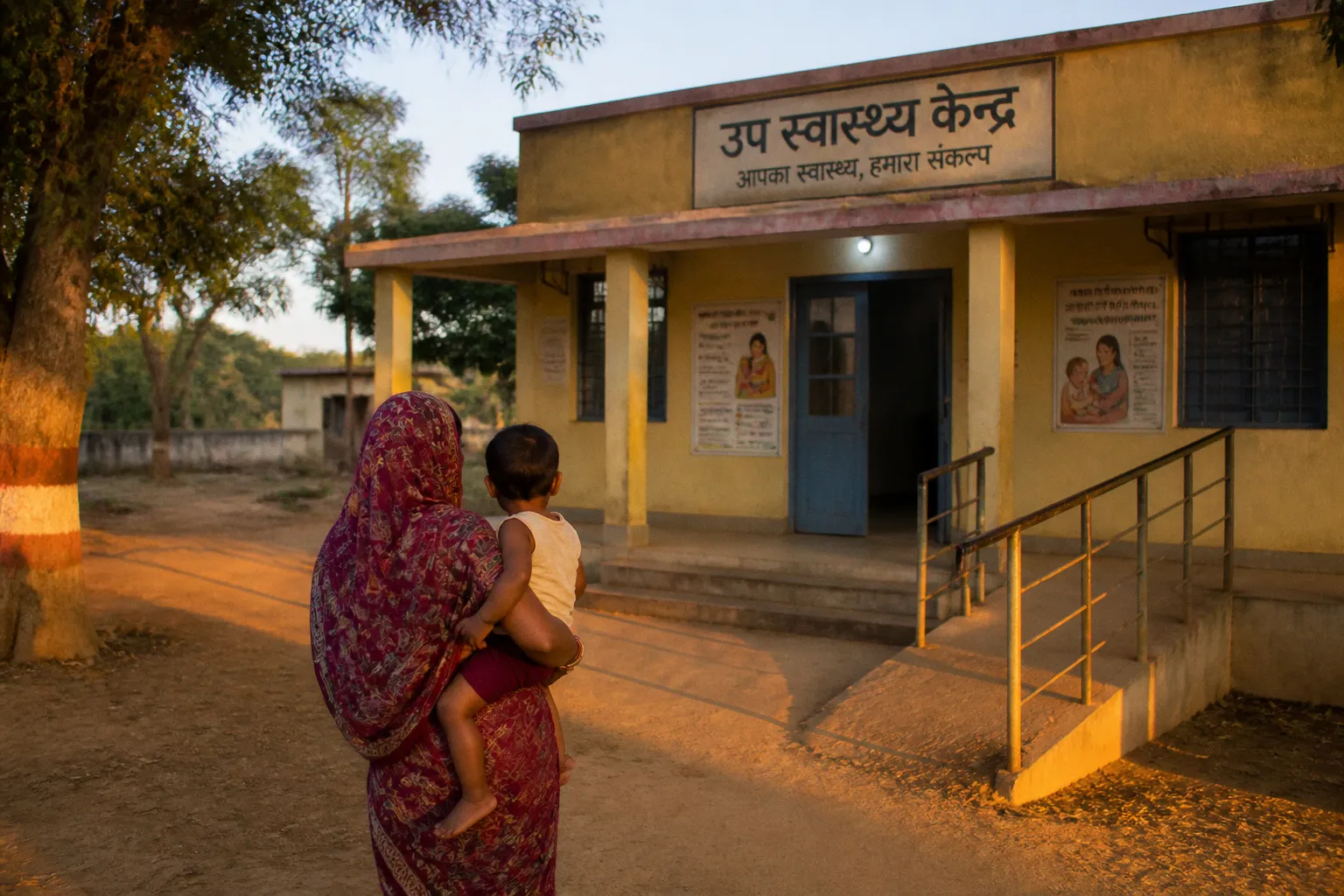
Two recent announcements from outside India caught my eye this week, not because they directly redraw our clinical pathways, but because they reflect where the global conversation around family and child wellbeing is leaning — and that conversation always finds its way back to our clinics.
According to HHS.gov, the US Department of Health and Human Services has announced new peer support prevention services aimed at strengthening families, framed as part of broader American initiatives on recovery and on finding a home for every child. The available detail is thin — only the announcement itself — but the direction will feel familiar to anyone running a community-based programme: lean on prevention, centre peer-led support, and try to hold families together before crisis pulls them apart.
Why a Madagascar call matters to our reading list
Separately, fundsforNGOs reports that UNICEF, working under the technical leadership of Madagascar's Ministry of Public Health, has issued an open call for qualified partners to strengthen maternal, neonatal and child health, nutrition, community health, and emergency preparedness across targeted regions. The scope is broad: improving the quality of care delivered by frontline health workers, embedding nutrition within routine maternal and child health services rather than treating it as a separate vertical, training and supervising community health agents to bridge communities and facilities, and building facility readiness so essential services survive emergencies and other disruptions.
The call also names reducing barriers for vulnerable populations, strengthening referral systems so patients land at the correct level of care, and using data — baselines and agreed indicators — to identify weaknesses and guide practical improvements in service delivery.
What I take from both, for our context
Read side by side, what strikes me is how often the idea of continuity shows up, even when the two settings could hardly be more different. In Madagascar, the focus is the seam between community health agents and formal services, so care does not fragment. In the US, peer support is positioned as the thing that keeps families from fracturing under pressure. The mechanisms differ, but the underlying question is the same one we ask in our own district clinics: how do we reach women and children before the system fails them?
Neither announcement changes tomorrow's antenatal register. But both are signals that the global push is moving toward earlier, community-anchored, peer-supported models of care. Worth keeping on the reading list as the details firm up.