Rural primary health centers: key infrastructure assessment paths
A rural primary health center can have a functioning building, a few beds, basic medicines, and still be unable to provide a dependable care pathway for the people assigned to it.
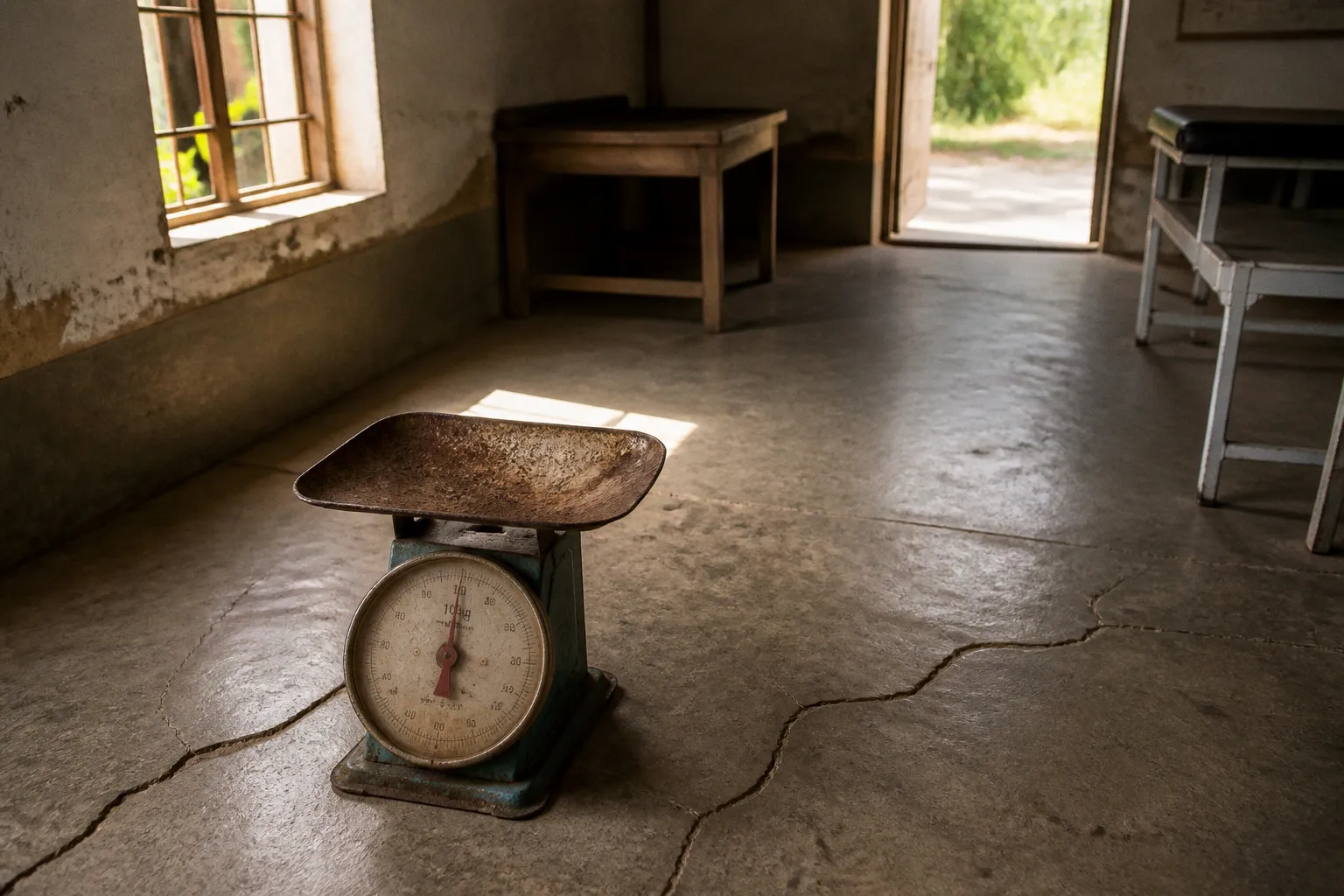
The difference lies in whether the facility is ready to receive patients, assess them, treat common conditions, arrange referral, and remain open with the right staff and supplies when care is actually needed.
Compare car rental deals in United Kingdom
See available offersPartner link — DiscoverCars comparisonThat is why rural primary health center infrastructure assessment criteria must go beyond the question of whether a facility exists on paper. In India, the main reference point is the Indian Public Health Standards, or IPHS. The revised framework issued by the Ministry of Health and Family Welfare in 2022 sets out what a rural PHC should be able to offer, how its infrastructure and workforce should be assessed, and how readiness can be measured consistently across districts.
For patients and frontline practitioners, this distinction is not academic. It determines whether a pregnant woman receives timely screening, whether a child with fever can be assessed locally, whether diagnostic equipment is usable rather than merely listed in an inventory, and whether a referral reaches the district hospital before a manageable problem becomes an emergency.
From a building standard to a service-readiness framework
The IPHS framework has developed alongside India’s wider public-health system. Initial standards were released in 2007, followed by a major revision in 2012. The launch of the National Rural Health Mission in 2005 had already placed greater emphasis on strengthening rural facilities, staffing, medicines, referral systems, and community-based care.
The next major shift came with Ayushman Bharat, launched in 2018. Under this programme, many existing facilities were developed into Health and Wellness Centres, including Health and Wellness Centre–Primary Health Centres. The intention was not simply to rename facilities. It was to broaden the role of primary care so that people could receive more continuous, preventive, and comprehensive services closer to home.
The revised IPHS guidelines were published on April 16, 2022, in four volumes. Volume III addresses Health and Wellness Centre–Primary Health Centres. This is significant because the modern PHC is assessed as part of a wider care pathway rather than as an isolated rural outpost.
A facility assessment therefore needs to ask several connected questions:
- Is the PHC located and sized appropriately for the population it is expected to serve?
- Can patients enter, register, wait, consult, receive medicines, and be referred with reasonable continuity?
- Are the required clinical services available during the hours in which the community needs them?
- Are staff positions filled, and do the staff have the skills required for their roles?
- Are diagnostic services and equipment functional, maintained, and supported by supplies?
- Does the PHC have beds for observation or short-term indoor care?
- Can it communicate with higher facilities and complete the referral loop?
A rural medical facility standards document may describe rooms, equipment, staffing, and services separately. Clinical reality does not work in separate columns. A laboratory without reagents is not a diagnostic service. A medicine store without reliable replenishment is not a treatment pathway. A referral vehicle without a receiving facility that is prepared to accept the patient is not a complete referral system.
A PHC is ready only when its building, people, supplies, and referral links work together at the moment a patient needs them.
Population coverage sets the starting point
The first IPHS question is scale. A PHC cannot be judged properly without knowing the population it is designed to cover and the geography through which patients must travel.
Under the IPHS framework, a rural PHC is designed to cover:
| Setting | Population norm | Indoor or observation capacity |
|---|---|---|
| Plain areas | 30,000 people | 6 beds |
| Hilly, tribal, or difficult areas | 20,000 people | 6 beds |
The lower population norm for difficult areas reflects the practical burden of distance, terrain, seasonal access, and transport. A facility serving 20,000 people in a remote tribal area may face a more demanding access problem than a facility serving 30,000 people in a connected plain-area district.
This is where a simple facility-count approach can mislead. Two districts may report the same number of PHCs, while the actual service capacity differs sharply because of settlement patterns, roads, monsoon disruption, public transport, and the presence or absence of nearby sub-centres and community health workers.
Population coverage should therefore be read together with:
- travel time to the PHC, not only straight-line distance;
- the number of villages and hamlets within the catchment;
- seasonal changes in access;
- the availability of outreach services;
- referral distance to the community health centre or district hospital;
- the local burden of maternal, newborn, child, infectious, and chronic disease;
- whether the PHC is functioning as a Health and Wellness Centre with an expanded primary-care role.
For a district health infrastructure evaluation, this context is essential. A PHC that appears adequately staffed against a population norm may still be under pressure if it receives patients from neighbouring areas because another facility is closed, understaffed, or difficult to reach. Conversely, a well-connected PHC may share workload with nearby facilities in a way that is not visible from a population denominator alone.
The population norm is a planning standard, not a guarantee of access. It tells administrators what a facility is intended to cover. It does not tell a pregnant patient whether the nurse-midwife will be present on the day she arrives, whether a blood pressure reading can be taken correctly, or whether a suspected anaemia case can be followed up.
What functional readiness means on the ground
Infrastructure assessment becomes useful when it connects physical capacity to a sequence of care. In a rural PHC, that sequence usually begins with first contact and ends either with treatment and follow-up or with a safe referral.
The assessment areas described under IPHS include the facility’s physical layout, essential services, beds, human resources, equipment, and population coverage. Each category carries a practical implication.
The building must support the care pathway
A PHC needs more than usable walls and a signboard. The layout should allow patients to move through registration, consultation, examination, diagnostics, pharmacy, observation, and referral without unnecessary confusion or loss of privacy.
For reproductive and child health, the arrangement of rooms matters particularly. Antenatal assessment, postnatal review, family-planning counselling, immunisation, sick-child assessment, and general outpatient care all require a setting where patients can speak openly and be examined safely. Privacy is not a luxury added after clinical readiness; it affects whether patients disclose symptoms, accept counselling, and return for follow-up.
Accessibility also includes the needs of older people, people with disabilities, and patients arriving with a child or in late pregnancy. In remote communities, the building may be the only public point of care within reach. A poorly planned entrance, inadequate waiting space, unreliable water, or lack of sanitation can turn a nominally available service into one that families avoid.
Beds are a capacity signal, not a promise of hospital care
The IPHS norm of six indoor or observation beds gives the rural PHC a limited capacity for short-term observation and basic inpatient care. These beds can matter when a patient needs monitoring, initial stabilisation, or a period of observation before discharge or referral.
They do not transform a PHC into a secondary or tertiary hospital. A rural PHC is primarily a first-contact facility for basic primary care, preventive services, routine treatment, and stabilisation. Complex surgery and advanced hospital care belong elsewhere in the referral network.
The assessment should therefore distinguish among:
- beds that are physically present;
- beds that are clean, usable, and appropriately spaced;
- staff available to monitor patients;
- essential supplies for observation and stabilisation;
- a functioning referral process for patients whose needs exceed PHC capacity.
Counting six beds without assessing staffing and referral arrangements can create a false impression of readiness. A bed is part of a care system, not an independent service.
Human resources determine whether services remain open
A facility may have the right room and the right equipment but still be unable to provide care consistently when trained personnel are absent. Workforce assessment needs to consider both sanctioned posts and actual availability.
For patients, the distinction is straightforward. The question is not whether a post exists in a staffing register. It is whether a qualified person is present, has the required skills, and can work with the rest of the team.
In practice, primary healthcare service capacity depends on a combination of roles. Medical officers, nurses and midwives, laboratory staff, pharmacists, community health workers, and support personnel each contribute to the care pathway. A gap in one role can affect the whole facility:
- Without nursing or midwifery coverage, routine maternal and newborn follow-up becomes fragile.
- Without laboratory support, clinical assessment may rely on symptoms alone.
- Without a pharmacist or dependable store management, prescriptions may not translate into treatment.
- Without community health workers, patients who miss appointments or need outreach may disappear from the system.
- Without a clinician able to coordinate referrals, the district hospital may receive incomplete information or a patient may arrive too late.
Workforce assessment should also consider workload. A nominally staffed PHC may be carrying additional demand from nearby villages or facilities. Conversely, a facility may have staff on paper but limited service hours because of leave, vacancies, training, or competing duties.
Equipment must be usable, not merely available
An equipment audit is meaningful only when it examines functionality. The relevant questions include whether equipment is present, working, maintained, used by trained staff, and supported by consumables.
For a rural PHC, diagnostic readiness may include basic equipment for routine clinical assessment and essential tests. The exact requirements depend on the facility’s service package and the standards applied, but the principle is consistent: an instrument that cannot be used safely does not provide capacity.
A public health center equipment audit should look for practical gaps such as:
- equipment listed in records but absent from the clinical area;
- devices that are present but non-functional;
- shortages of batteries, strips, reagents, or other consumables;
- staff who have not received adequate training;
- no maintenance or calibration pathway;
- results that are recorded but not linked to treatment or referral decisions.
This is particularly important in maternal care. A blood pressure device, weighing scale, haemoglobin testing capacity, or fetal assessment tool can be clinically valuable only when it is available at the right time and the result leads to an appropriate next step.
Comparing assessment routes: standards, digital tools, and service models
There is no single answer to the question of how to assess a rural PHC. Different approaches serve different purposes. The IPHS framework defines the expected standard. A digital tool can make the assessment more consistent and easier to aggregate. A service-readiness review asks whether the facility functions for patients over time.
These approaches should complement one another rather than compete.
| Assessment route | What it does well | What it may miss | Best use |
|---|---|---|---|
| IPHS 2022 standards | Sets a common reference for infrastructure, services, beds, staff, and equipment | May not fully show daily variation, local workload, or patient experience | Planning, benchmarking, accreditation, and facility improvement |
| ODK-based digital assessment | Standardises data collection and supports rapid reporting through a web dashboard | A digital form cannot by itself verify quality of care or sustained functionality | State and district-level infrastructure audits |
| Routine administrative records | Shows staffing, stock, attendance, service volumes, and referrals over time | Records may not reveal whether services were delivered consistently or safely | Monitoring trends and identifying recurring operational gaps |
| On-site clinical readiness review | Connects infrastructure with actual care pathways and team performance | Requires time, trained assessors, and a clear method | Improvement planning and supportive supervision |
| Community feedback and outreach review | Shows whether people can reach, trust, and continue using the facility | Experiences vary and may not identify the technical cause of a gap | Patient-centred planning and access analysis |
The most reliable assessment combines these layers. A digital inventory can show that a diagnostic device has been recorded. An on-site review can establish whether it works. A patient-centred review can reveal whether women are able to access the service without repeated travel, unclear instructions, or unacceptable delays.
The framework also helps distinguish a structural deficit from a management deficit. If a PHC lacks a laboratory room, the solution may require capital investment. If the room exists but reagents are repeatedly unavailable, the problem may sit in procurement or supply-chain management. If reagents are available but no one is trained to use them, the intervention is different again.
This is why a good rural primary health center infrastructure assessment criteria set should be read as a route to diagnosis, not as a final label.
The 80% threshold: useful benchmark, incomplete picture
Under the Ministry’s assessment framework, a facility must achieve an overall score of at least 80% to qualify as IPHS compliant. The threshold offers a clear national benchmark. It allows states and districts to compare progress and identify facilities that require attention.
The Central Council of Health and Family Welfare set a national target for states and Union Territories to achieve IPHS compliance across 50% of healthcare facilities by 2025–26, with full institutional compliance targeted for 2026.
These targets give the framework urgency, but the percentage should not be treated as a substitute for clinical interpretation. An overall score can conceal the location of a weakness. A PHC might perform well in building and documentation domains while remaining vulnerable in staffing, diagnostics, medicines, or referral coordination.
A single aggregate number can also hide the difference between a temporary disruption and a chronic problem. A stock-out lasting several days is not the same as a supply chain that fails month after month. A vacant post may be covered through a temporary arrangement in one district and leave a facility almost closed in another.
For this reason, the 80% threshold works best when paired with domain-level results and an improvement plan. District managers should be able to answer:
1. Which standards are not being met?
2. Is the gap caused by infrastructure, staffing, equipment, supplies, management, or access?
3. Which patients are most affected?
4. Can the gap be corrected locally, or does it require state-level action?
5. How will the facility be reassessed after the intervention?
A score should start a conversation about care, not end it.
Compliance is a destination marker. Readiness is what patients experience between the gate and the treatment decision.
ODK and the move toward more consistent facility audits
The Ministry of Health and Family Welfare introduced an Open Data Kit, or ODK, digital tool and a web-based dashboard for standardised IPHS infrastructure assessments across states. The value of this approach is practical: it can reduce variation in how assessors collect information, make records easier to consolidate, and support a more current view of facility conditions.
For district health teams, digital data collection can help organise information across several domains:
- the physical condition and layout of the facility;
- population coverage and catchment characteristics;
- service availability;
- staffing and vacancies;
- beds and observation capacity;
- diagnostic equipment;
- essential medicines and supplies;
- referral and reporting arrangements.
A digital form can also make missing fields more visible and allow the same assessment structure to be applied across facilities. That matters in a large health system where paper-based assessments may be difficult to compare.
However, digitisation does not remove the need for professional judgement. ODK records what the assessor enters. If a device is marked as available without being switched on and checked, the database may overstate readiness. If a staff member is listed as posted but is not providing the service, the digital record may still appear complete.
The quality of an ODK assessment therefore depends on:
- clear definitions for each field;
- trained assessors;
- verification of high-risk or high-impact items;
- documentation of the assessment date;
- mechanisms for correcting outdated information;
- follow-up after identified gaps;
- linkage between the dashboard and district action plans.
The tool is strongest when it supports a cycle of assessment, response, and reassessment. It is weaker when data collection becomes an administrative event with no operational consequence.
For practitioners, the most useful digital assessment is one that returns to the care pathway. If a PHC lacks reliable antenatal diagnostics, the dashboard should help trigger a supply intervention or referral arrangement. If staffing is inadequate, the data should support deployment decisions. If a facility’s catchment is larger than its assigned norm because surrounding centres are not functioning, the district should be able to see that pressure.
Reading the 10.5% benchmark without losing the patient
Rural Health Statistics 2021 reported that 3,278 of India’s 24,918 rural PHCs met full IPHS functional guidelines, approximately 10.5%. This figure is a clear signal that infrastructure and functional readiness have not been evenly achieved across the rural system.
It should not be read as evidence that every PHC is failing. Nor does it tell us that the remaining facilities provide no care. Many facilities deliver important services despite falling short of the full IPHS benchmark. The figure instead shows how far the system is from consistent compliance with the complete functional standard.
For families, partial readiness creates a particularly difficult form of uncertainty. A facility may be dependable for immunisation but not for diagnostic testing. It may provide outpatient treatment but not observation. It may offer antenatal visits but refer patients for tests that require another journey. These are not minor inconveniences for someone living far from a district hospital, especially when transport, lost wages, childcare, and seasonal roads shape every healthcare decision.
On the ground, the most useful response is not to describe communities as non-compliant or patients as reluctant. People often make rational choices within difficult care pathways. If a woman has already travelled to a PHC and been sent elsewhere for a basic test, she may delay returning. If a parent has been told that medicines are unavailable, the next visit may be to a private provider or may not happen at all.
A patient-centred infrastructure review should therefore ask:
- How many visits does a person need to complete one episode of care?
- Which services are available on the same day?
- Are opening hours clear and reliable?
- Are referrals explained in language the family understands?
- Is there a mechanism to follow up after referral?
- Can community health workers help patients navigate the next step?
- Are women, adolescents, people with disabilities, and marginalised communities able to use the facility without stigma?
These questions do not replace IPHS. They show whether the standard is translating into accessible care.
Building an assessment that leads to improvement
A district team beginning a PHC review can organise the work around four connected layers rather than treating the facility as a list of rooms and assets.
Start with the intended service package
Define what the PHC is expected to provide as a Health and Wellness Centre–PHC and what should be referred to a higher level. This prevents two common errors: judging a PHC against hospital functions it was never designed to deliver, or accepting a minimal service package when the facility has a broader assigned role.
Match capacity to the local population
Use the IPHS population norms as a planning point, then add geography, seasonality, transport, and actual patient flow. A facility serving a difficult terrain area needs more than a population count; it needs an access plan.
Verify readiness at the point of care
Review the building, beds, staff, equipment, diagnostics, medicines, water, sanitation, power, records, and referral communication. Then ask how these elements function together during a normal patient visit.
A useful assessment follows a patient’s route:
1. Arrival, registration, and triage.
2. Clinical consultation and privacy.
3. Examination and basic diagnostic testing.
4. Treatment, counselling, or observation.
5. Medicine dispensing and instructions.
6. Referral where required.
7. Follow-up through facility staff or community health workers.
The purpose of this sequence is not to create another form. It is to identify where care breaks down.
Turn findings into named actions
Every gap should have an owner, a timeframe, and a way to confirm improvement. A non-functional device, an unfilled post, and an unreliable medicine supply cannot be managed through the same intervention. District and state teams need to separate immediate repairs from procurement, workforce, training, and infrastructure decisions.
Where digital ODK data is available, the dashboard can support prioritisation. Facilities below the 80% compliance threshold may need a domain-specific improvement plan rather than a general instruction to improve. The most urgent gaps are those that create immediate risk or repeated loss of access: lack of essential medicines, absent skilled staff, non-functional diagnostic equipment, inadequate infection prevention, and broken referral communication.
Practitioners can also help by documenting what the formal assessment misses. Repeated delays, patients returning without results, mothers sent between facilities, or children unable to complete follow-up are operational evidence. These patterns should be treated as signals about the system, not as personal failures by patients or individual staff.
The route forward for rural PHC infrastructure
India now has a clearer framework for assessing rural primary health centers than it did when IPHS was first introduced. The 2022 guidelines provide an updated reference for HWC-PHCs, the 80% threshold offers a measurable benchmark, and ODK-based tools can make facility assessments more standardised and visible across districts.
But the central task remains human and clinical: turning infrastructure into dependable care.
A PHC with six usable beds, appropriate staffing, functional diagnostics, essential supplies, and a reliable referral link can prevent unnecessary travel and identify danger earlier. A PHC with a good building but no trained staff or medicines cannot provide the same protection. The difference is not captured by the sign outside the facility. It is found in the care pathway.
For district managers, the priority is to use assessment data to direct resources where they change service capacity. For practitioners, it is to report functional gaps clearly and keep the patient’s route in view. For communities, it is to understand that a facility’s readiness should include access, continuity, dignity, and safe referral—not simply its presence in a government list.
The most meaningful measure of rural health infrastructure is therefore not whether a PHC has been assessed. It is whether the next patient can receive the right first response, close to home, without being left to navigate the system alone.