Beyond Clinical Metrics: Why Psychological Readiness Defines Newborn Care Success
In my clinic, I have sat with mothers who tick every box on paper — full antenatal attendance, clean bloodwork, a healthy delivery — and yet, in those first bleary weeks home with a newborn, something quietly unravels.
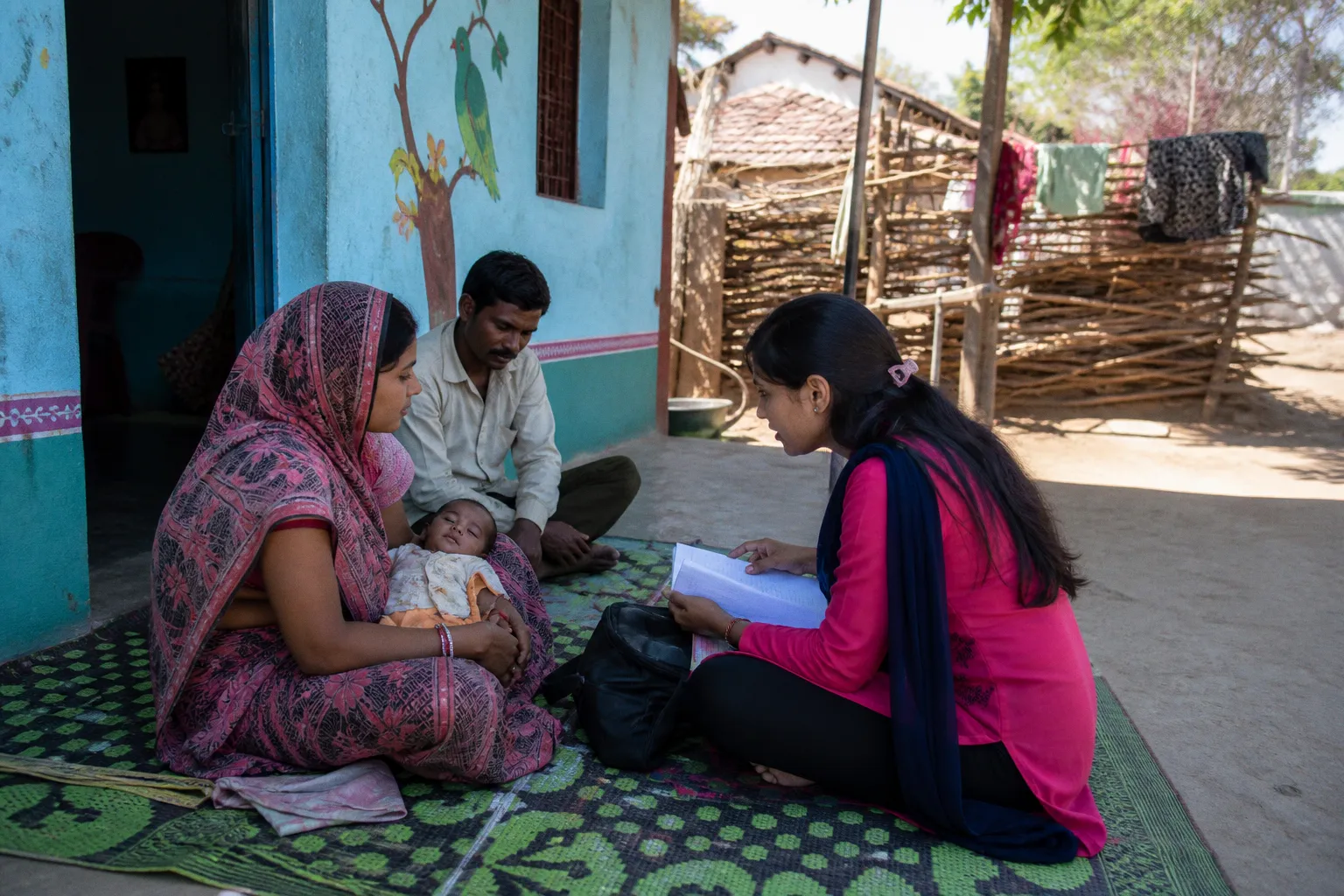
They know how to latch a baby, they know the danger signs, but the readiness to absorb any of it is missing. A new study in BMC Pregnancy and Childbirth puts words to what many of us have seen at the bedside: psychological factors, not just clinical ones, shape whether a mother can actually care for her newborn.
What the evidence is showing
According to the research highlighted by News-Medical.net, the way a woman feels in the early postnatal window — her confidence, her emotional state, the support around her — directly influences her capacity to respond to her infant's needs. The authors argue that targeted psychological support during this period can improve newborn care outcomes, a finding that lines up with what community midwives have long observed in practice.
Sitting alongside this is sobering data from PLOS Global Public Health: each additional antenatal visit was linked to a 19% reduction in infant mortality risk in the first six weeks of life. That number deserves a pause. In settings where women may complete only the minimum number of visits — or none at all — this is not a marginal gain. It is the kind of margin that determines whether a baby survives the period we clinically call the most vulnerable stretch outside the womb.
Why this matters for our care pathways
I think often about the District Level Household Survey landscape here in India, where antenatal coverage has improved dramatically on paper but where the quality and continuity of that contact still varies wildly between districts. Psychological readiness does not appear in the register. It does not show up in a coverage percentage. And yet, if a mother leaves her fourth antenatal visit emotionally unseen, the clinical benefit of that visit is only partially realised.
This is also why the Australian Parliament's newly launched inquiry into postpartum health caught my attention, even from across the ocean. Its focus on the first 1,000 days echoes what frontline workers here have asked for years: postnatal care cannot end at discharge. Someone has to check on the mother, not just the infant weight chart.
What I am taking back to my next shift
Three things, and I offer them to anyone reading who works in a sub-centre, PHC, or district hospital:
First, treat the antenatal visit as a two-part encounter. Check the haemoglobin, yes, but also ask, plainly, how she is feeling about the pregnancy and the life waiting for her after delivery. The 19% mortality reduction is real, but it likely rests on a relationship, not just a checklist.
Second, layer in the immunisation conversation early. The National Foundation for Infectious Diseases has underlined that maternal vaccines against RSV, influenza, COVID-19, and pertussis significantly reduce newborn hospitalisations. In a country where respiratory illness is a leading cause of infant admission, this is one of the most concrete protections we can offer a mother before she ever holds her baby.
Third, plan the postnatal contact before the woman leaves the facility. Who will see her at home? When? Through which ASHA or ANM? Readiness is built in the weeks before delivery, not improvised in the crisis of week two.
The science is catching up to what the bedside has always known. A mother does not become capable simply because she has given birth. She becomes capable when the system around her — clinical, psychological, community — has prepared her to step into that role. That is the piece we still have to build, district by district.