Why the Growing Public Focus on Maternal Mental Health Is a Vital Turning Point
When a patient finally reaches out, as one mother recounted to CNN, the encounter can feel like "banging my head against a brick wall," leaving them without timely support.
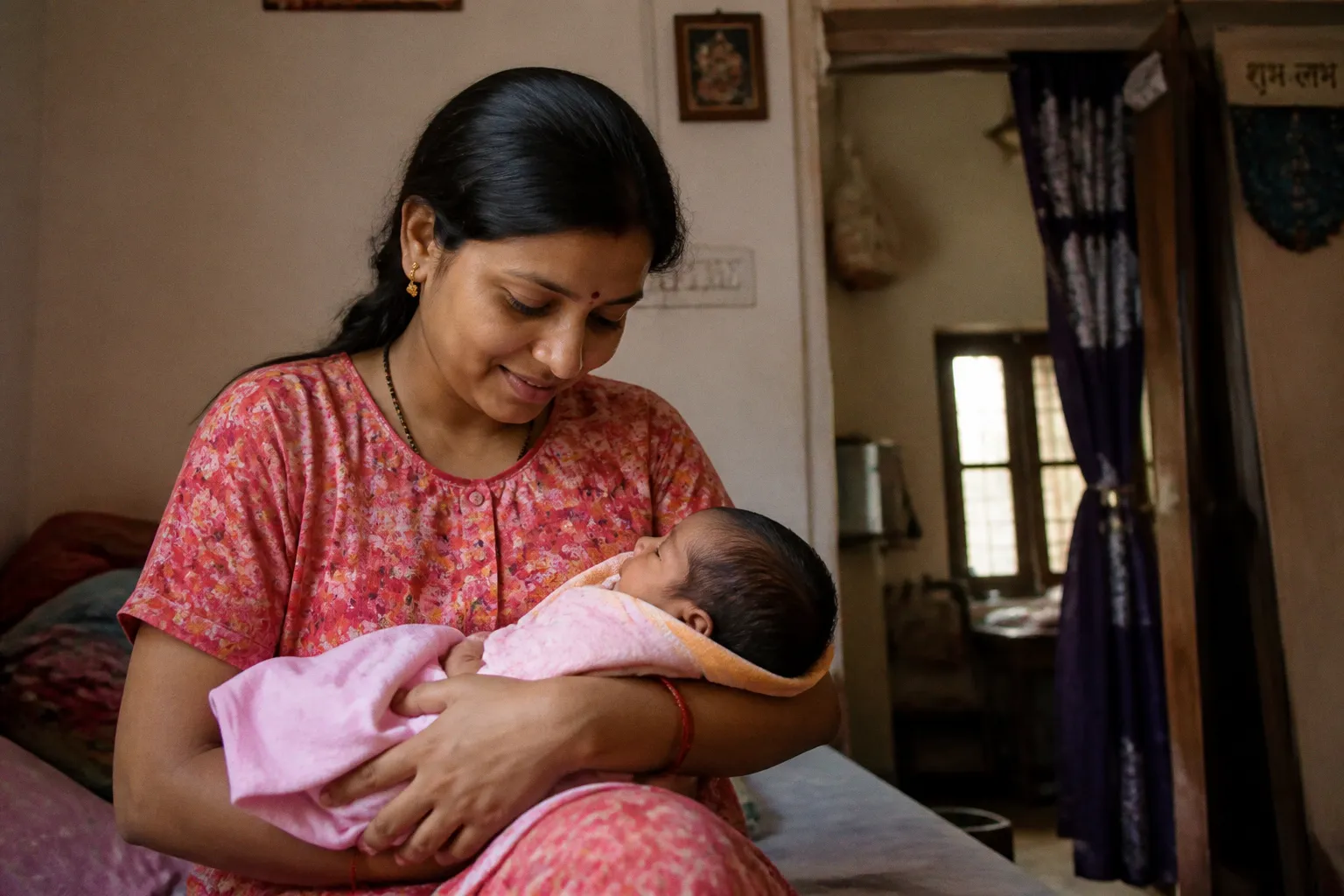
For years, conversations about what happens to a mother's mind after birth have been whispered, if spoken at all. Now, as high-profile trials and tragic celebrity losses bring postpartum psychosis and depression into the mainstream spotlight, experts are stating plainly that this moment of reckoning is long overdue. As a midwife, I see this not as a sudden crisis, but as the surfacing of a challenge we've navigated in clinics and homes for decades—one that demands we move from hushed acknowledgment to integrated care.
The Clinical Reality Behind the Headlines
The stories dominating the news cycle, while heartbreaking, point to a spectrum of conditions that affect a significant number of birthing people. Postpartum psychosis is severe and rare, but conditions like depression and anxiety during pregnancy and the year following birth are common, affecting up to one in five women. The clinical challenge has always been twofold: the pervasive stigma that prevents patients from voicing their struggles, and a healthcare system that has often lacked clear, compassionate pathways for response. When a patient finally reaches out, as one mother recounted to CNN, the encounter can feel like "banging my head against a brick wall," leaving them without timely support.
From Stigma to a Cultural Shift
What feels different now is the volume and visibility of the conversation. Women are sharing their experiences online and in public forums, dismantling the culture of silence. The public discussion around actress Hayden Panettiere's own fraught experience with motherhood, for instance, helped many young women see their own struggles reflected and validated. This shift is critical. When public figures speak openly, it gives permission for patients in our clinics to do the same. It moves the needle from viewing these conditions as personal failings to recognizing them as legitimate health issues requiring professional care pathways.
What This Means for Care on the Ground
For practitioners, this heightened awareness is both a responsibility and an opportunity. It reinforces the need to proactively screen and create a safe, non-judgmental space for disclosure. The goal is to ensure that when a patient says, "I'm not connecting," or "I'm scared," the system responds with immediate, practical support—not with fear or bureaucratic delay. This moment calls for us to listen more carefully, to have referral networks ready, and to advocate for the integration of mental health checks as a standard, non-negotiable part of postnatal care. The conversation is finally in the open; our task is to build the care pathways that meet it there.