The Silent Crisis: Why India’s Mental Health Infrastructure Is Failing Families
A new assessment of India's public health infrastructure lays out a diagnosis no one working in the field will find surprising: the country's mental health system is failing at scale, and…
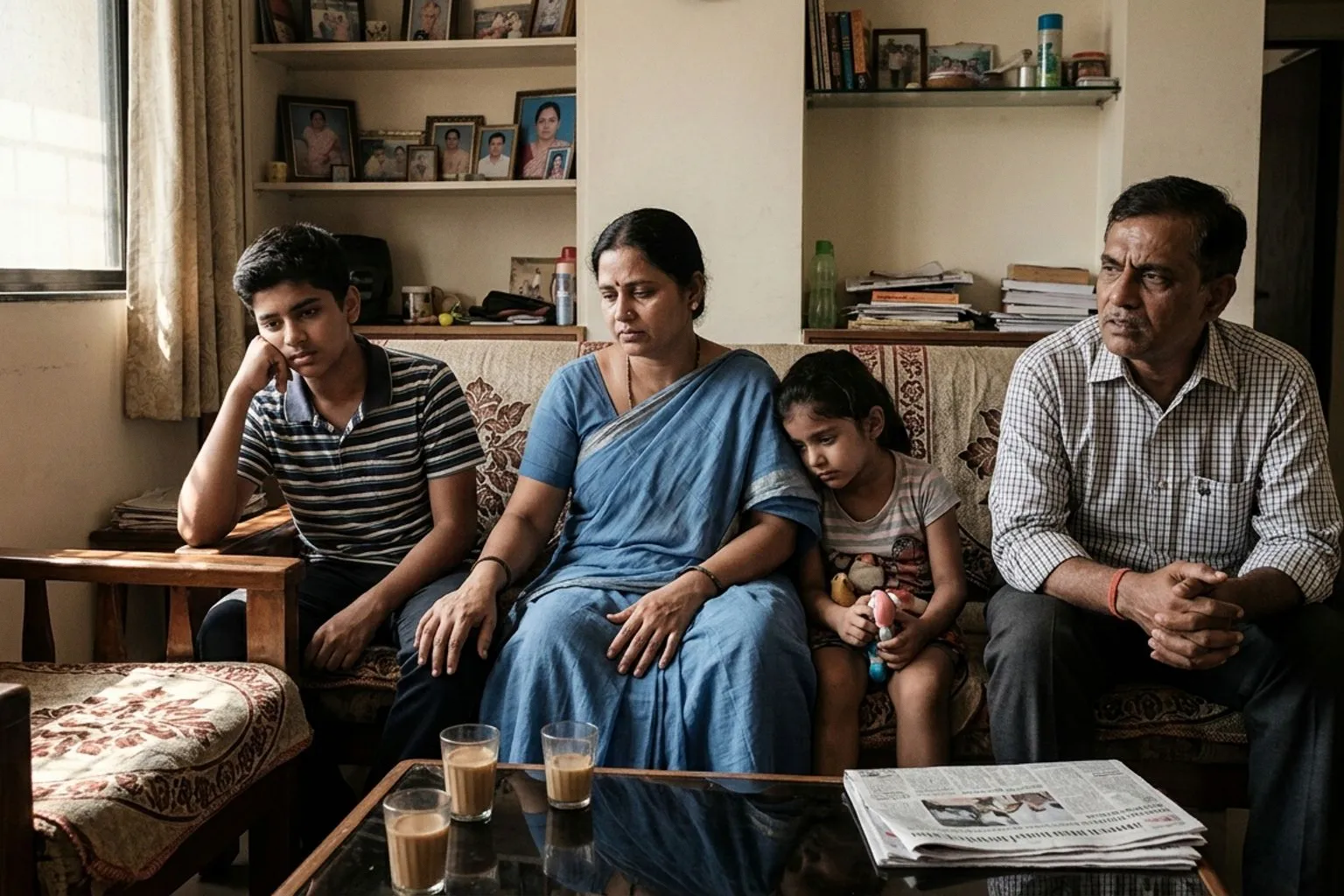
A new assessment of India's public health infrastructure lays out a diagnosis no one working in the field will find surprising: the country's mental health system is failing at scale, and family-level distress is now the single largest driver of suicide in the country. According to National Crime Records Bureau data cited in the review, family-related problems accounted for more than 34% of recorded suicides in 2024 and 31.9% in 2023. The deeper scandal sits one step upstream — an estimated 83% to 85% of Indians living with a diagnosable mental health disorder never see a professional. This is not a soft "wellness" gap. It is a logistics failure at the intersection of public health and social support.
Where the pipeline actually breaks
The numbers don't move because the supply chain is broken before a patient ever walks into a clinic. Trained psychiatrists and counsellors are clustered in a handful of urban centres; district-level postings remain unfilled or simply not sanctioned. Mental health still commands a fraction of the public health budget, so even facilities that exist run on skeleton staff. Compounding the gap, the cultural reflex to treat domestic conflict as private business means families escalate to crisis before any professional contact happens. By the time a case surfaces, triage protocols at primary health centres are not built to catch it.
The infrastructure already exists — it just isn't switched on
Two pieces of the system are already on the shelf and worth scaling rather than reinventing:
- SMART Mental Health initiative — a government-led framework already in motion that needs district-level funding, not another pilot.
- NIMHANS-anchored community training — task-shifting basic psychosocial screening to ASHA workers, school counsellors, and PHC nurses catches distress before it tips into acute crisis. Cost per case detected drops sharply when screening rides on the same touchpoints that already handle antenatal care, immunisation, and child growth monitoring.
What to watch in the next budget cycle
For anyone working inside maternal and child health programmes, the family crisis is not background noise — household distress shapes the environment in which every RCH outcome is delivered. Three signals will tell you whether the system is actually moving:
1. District-level mental health postings filled, not just approved on paper.
2. Dedicated budget lines for psychosocial support appearing in state health allocations, carved out from tertiary psychiatry grants.
3. Integration with RCH platforms — the same ASHA tracking a pregnancy can flag household distress if her training module includes it.
The infrastructure to do this is already there. What is missing is the decision to treat family-level mental health as core public health, not an optional add-on.